Wedding traditions with swords and daggers
The sword and the dagger are wedding objects in many parts of the world, as symbols of protection, honour and the groom's role.
The sword and the dagger are wedding objects in many parts of the world, as symbols of protection, honour and the groom's role. They are carried in the procession, used to cut a cake, or placed beside the couple.
Swords in the procession
In Rajasthan and among Sikh and Rajput families the groom may carry a sword, talwar or kirpan, and in Rajput custom a sword stands in for a groom who cannot attend. In Egypt and the Levant the zaffe sometimes includes a dancer with a sword or a stick. In Yemen and Oman the jambiya dagger is a part of the groom's dress, and Gulf grooms may carry a sword in dance, as in the ardah.
Cutting and crossing
In Europe, military weddings include an arch of swords, and a sabre is used to cut the cake or to open champagne, as in the French and Napoleonic custom of sabrage. In Scotland, a ceremonial dirk or sword is part of the Highland dress, and in the Philippines the groom may wear a barong with a ceremonial bolo in some regions. The meaning is less about violence than about guarding the household.
Written by the EveryShaadi desk with AI assistance. Background on Swords and daggers (symbol). Customs differ from place to place and family to family. If this is your tradition and we have it wrong, tell us.
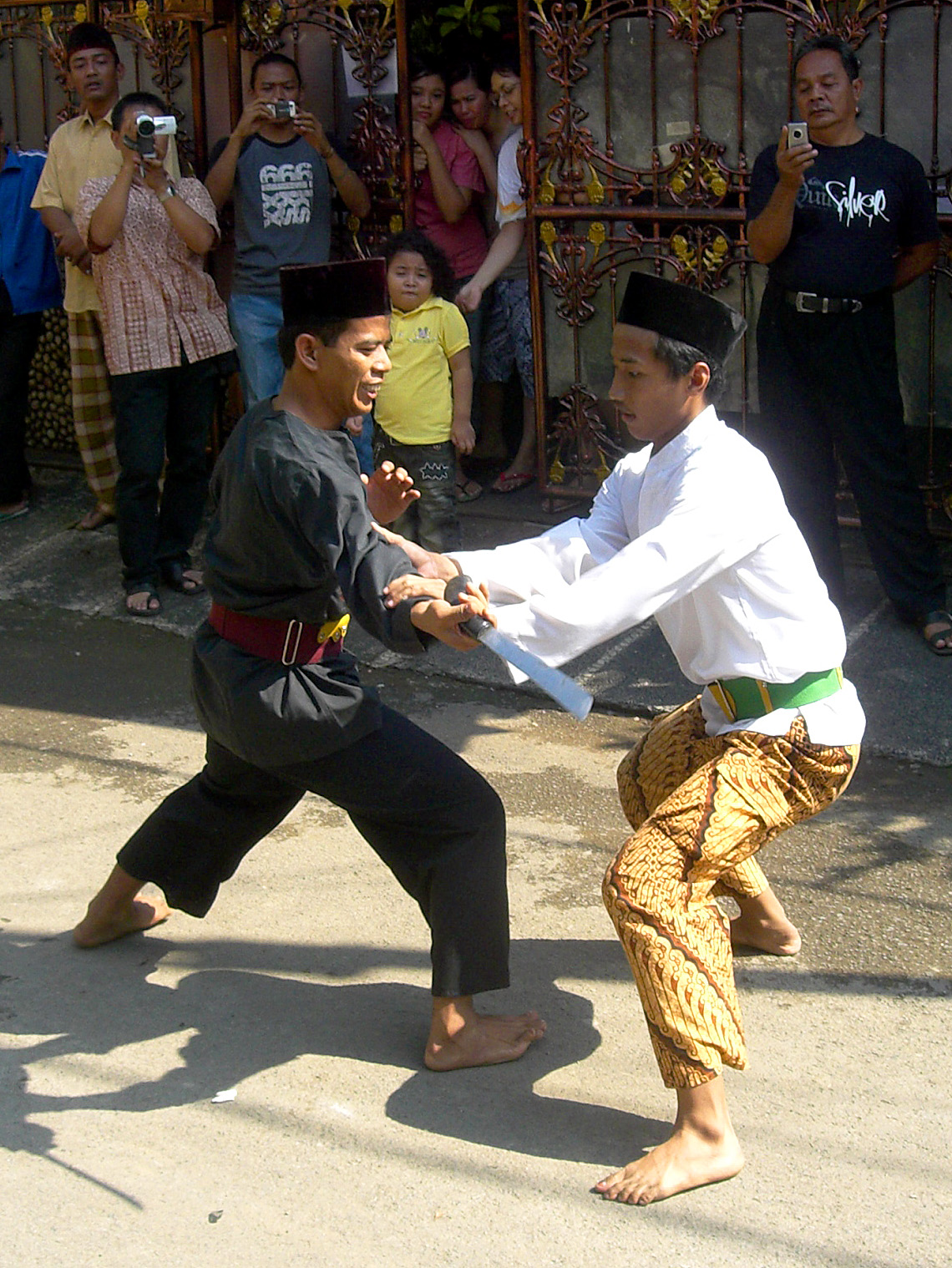 🇮🇩 Jakarta, IndonesiaPalang pintu
The martial arts and poetry test that allows the groom to enter the bride's home in Betawi weddings.Rite · The weeks before
🇮🇩 Jakarta, IndonesiaPalang pintu
The martial arts and poetry test that allows the groom to enter the bride's home in Betawi weddings.Rite · The weeks before
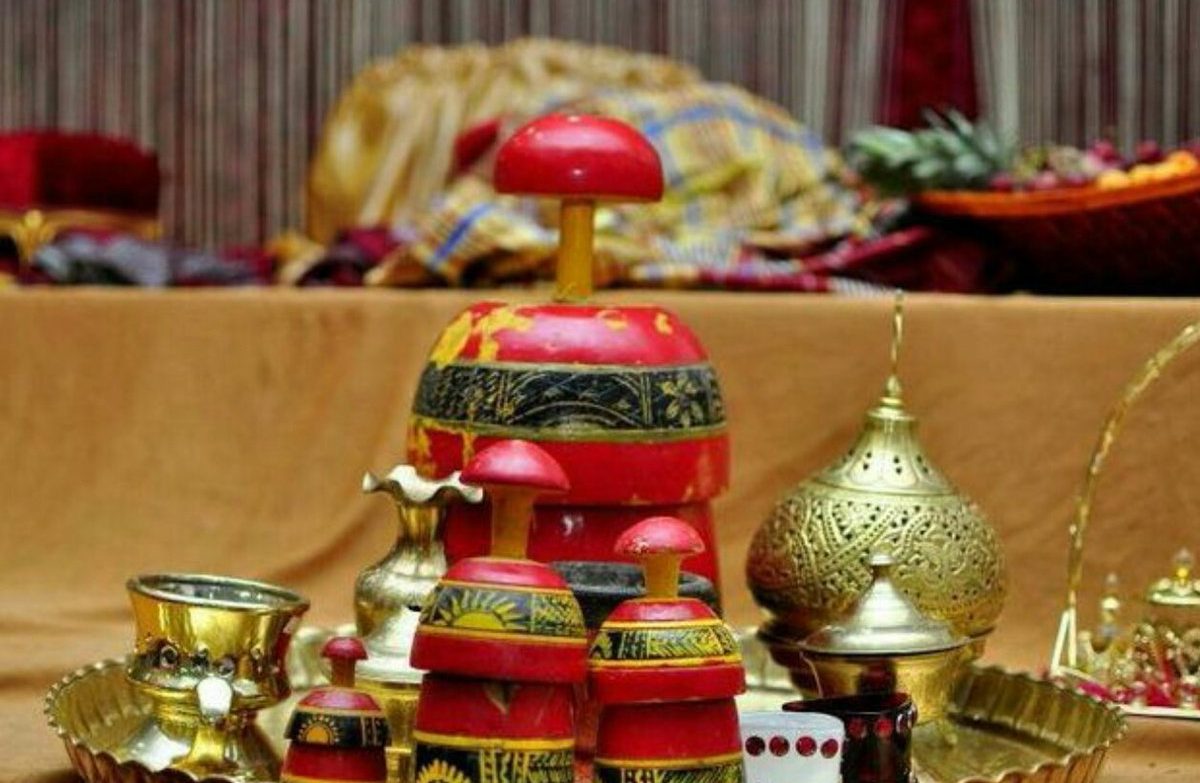 🇸🇩 Khartoum, SudanJirtigالجَرْتِقْ (Arabic)
A Sudanese inauguration ritual where the groom is symbolically crowned as a king.Rite · The weeks before
🇸🇩 Khartoum, SudanJirtigالجَرْتِقْ (Arabic)
A Sudanese inauguration ritual where the groom is symbolically crowned as a king.Rite · The weeks before
 🇺🇸 United States and 5 moreSaber Arch
An arch of swords or sabers held over a couple as they exit their wedding ceremony.Rite · The ceremony
🇩🇪 GermanyBeilager
A public ceremony in German-speaking lands where witnesses observed the couple entering the marriage bed to finalize theRite · The ceremony
🇺🇸 United States and 5 moreSaber Arch
An arch of swords or sabers held over a couple as they exit their wedding ceremony.Rite · The ceremony
🇩🇪 GermanyBeilager
A public ceremony in German-speaking lands where witnesses observed the couple entering the marriage bed to finalize theRite · The ceremony
Photo credits on this page
The small pictures above come from Wikimedia Commons under free licences. Some are cropped to fit.
- Palang pintu: Gunawan Kartapranata, CC BY-SA 4.0, source
- Jirtig: Alzain Mohammed, CC BY-SA 4.0, source
- Saber Arch: Rabe100, Public domain, source