Ceremony and sacred ritesNorth AmericaIndigenous and traditional
Navajo wedding ceremony
A Navajo marriage ritual centred on harmony, family union, and nature inside a Hogan.

The Navajo wedding ceremony is a traditional rite of the Diné people in the Southwestern United States. It takes place at sunset within a Hogan and focuses on spiritual balance rather than material display.
When is Navajo wedding ceremony kept?
Navajo wedding ceremony is kept at sunset.
The Navajo wedding ceremony is a sacred rite of the Diné people in the Southwestern United States. It centres on Hózhó, a state of harmony and balance. The event unites two families and clans through rituals that honour nature and the earth. Couples exchange gifts and share food to begin their life together.
Purpose and setting
This ceremony is rooted in the Blessingway tradition and prioritizes Hózhó over material wealth. It serves to unite families and clans rather than just individuals. Households rely on mutual support for survival, so unions are often arranged between economically compatible families. Men contribute labour while women manage the home. The wedding occurs at sunset inside a Hogan built specifically for the occasion. The bride covers her head with a blanket to avoid sunlight and the sun god’s jealousy. The groom arrives on horseback before dark.
Rituals and symbols
The couple exchanges small gifts like corn for fertility, feathers for loyalty, and stones for strength. They wash each other’s hands using a decorated pot and gourd dipper to symbolize purity and a new beginning. Guests join hands around a sacred fire to show unity. A hand-woven basket called Ts'aa' Baa Hane' represents the cyclical nature of life. The couple eats coloured corn mixtures, with yellow representing females and white males. Corn pollen is sprinkled on top to ensure a fertile marriage.
Attire and garments
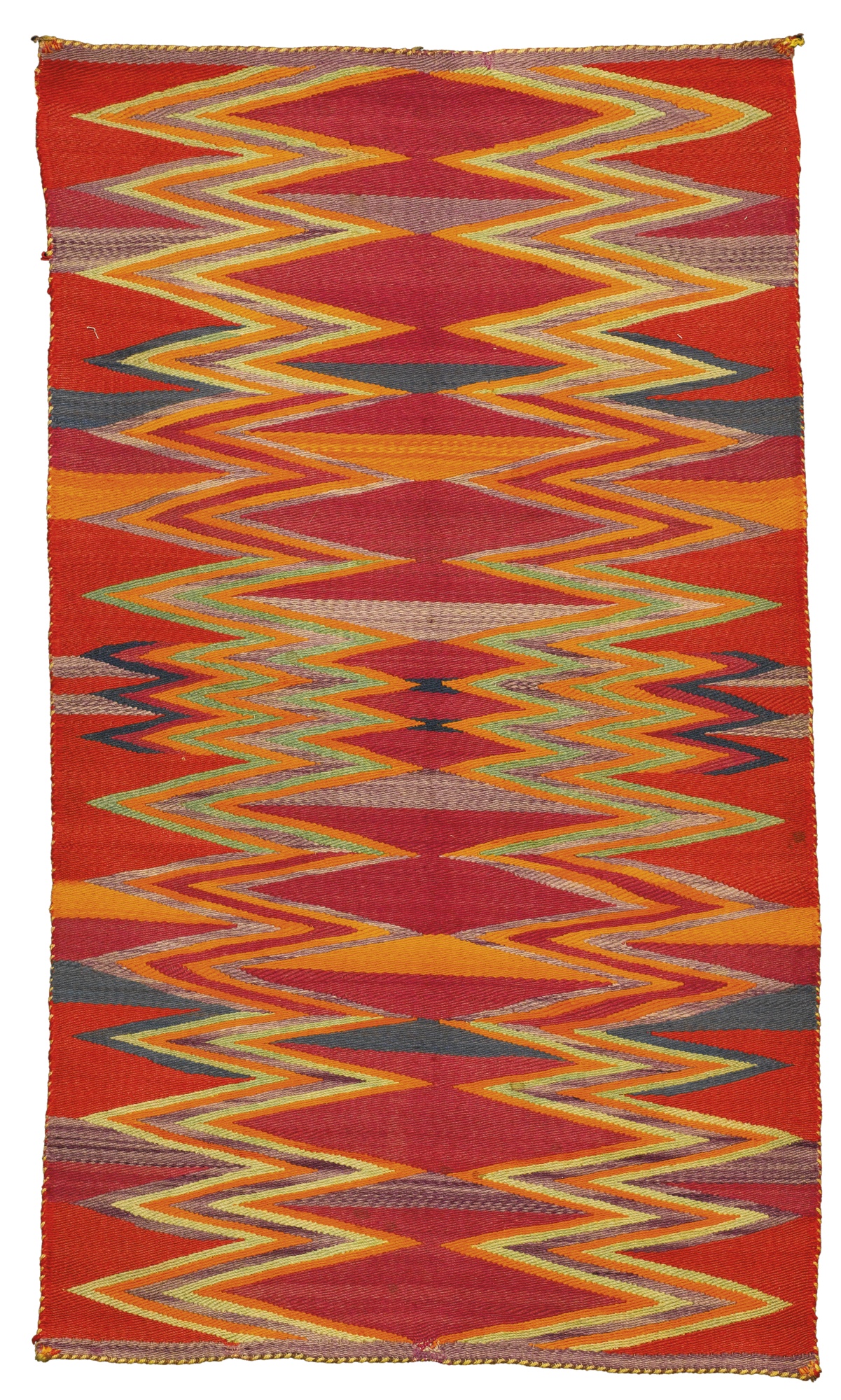
Both partners wear Pendleton blankets woven with Navajo patterns to signify warmth and protection. The bride wears a velvet or satin blouse with a pleated wool skirt dyed in vibrant colours like red or cyan. She wears turquoise jewellery for protection and a squash blossom necklace for prosperity. Her hair is tied in a traditional bun. The groom wears a cotton shirt, dark trousers, and leather moccasins. He also wears turquoise jewellery and a woven headband in red or cyan to symbolize strength.
After the ceremony
After the rites, the couple seeks advice from elders and family members. The husband typically moves into his wife’s household, reinforcing the matrilineal structure of Navajo society. Kinship rules are strict, and marriage within one’s own clan is forbidden. Divorce is socially acceptable if harmony is lost. Historically, polygamy existed but is no longer legally practiced. The groom avoids direct contact with his mother-in-law, and a separate house is provided for the newlyweds.
How Navajo wedding ceremony is kept
The wedding begins at sunset when the groom arrives on horseback. The bride enters a Hogan with her head covered by a blanket. They sit facing specific directions while an officiant conducts the rites. The couple exchanges symbolic gifts and washes each other’s hands. Guests form a circle around a sacred fire. The couple eats coloured corn mixed with pollen. Afterward, they receive advice from elders. The groom moves into the bride’s home, and they live separately from his mother.
When and where
The ceremony takes place at sunset. It is part of the wedding day events held inside a Hogan. The timing aligns with the end of the day to avoid sunlight for the bride.
The custom is kept by the Navajo people in the Southwestern United States. It traditionally occurs inside a Hogan, a dwelling built specifically for the ceremony. The location emphasizes the connection to the land and natural elements.
What Navajo wedding ceremony means
The ceremony embodies Hózhó, combining harmony, balance, and beauty. It signifies the spiritual joining of families, clans, and earth elements. Gifts represent love, fertility, loyalty, and strength. The hand washing marks a new beginning free from past negativity. The woven basket symbolizes life’s cycle and emergence. Coloured corn reflects creation legends and ensures fertility.
Who takes part
- The bride: Covers her head with a blanket and sits facing east.
- The groom: Arrives on horseback and sits on the north side.
- Officiant: Sits in front of the bride to conduct the ceremony.
- Guests: Join hands to form a circle around the couple and fire.
- Elders: Provide advice and gift blankets for blessings.
If you are a guest
Guests join hands to form a circle around the couple and the sacred fire. This action signifies unity and support for the new marriage. They may witness the exchange of gifts and the eating of corn. Their presence reinforces the community role in uniting families and clans.
Then and now
Polygamous unions are no longer legally practiced among the Navajo today. Monogamy remains the norm and emphasizes Hózhó. Traditional customs persist, but legal frameworks have changed. The matrilineal structure and kinship rules remain strictly observed in modern marriages.
On the wedding table
- Yellow corn: Represents female energy and is eaten by the couple during the ritual.
- White corn: Represents male energy and is mixed with yellow corn for consumption.
- Corn pollen: Sprinkled on the corn mixture to ensure a fertile marriage.
Symbols: Fire and the sacred flame Rice and grain Henna Turmeric The ring Knots, cords and threads The veil Crowns and wreaths Garlands and flowers


Questions people ask about Navajo wedding ceremony
When is Navajo wedding ceremony kept?
Navajo wedding ceremony is kept at sunset.
What is the main purpose of a Navajo wedding?
The ceremony focuses on Hózhó, a state of harmony and balance. It unites two families and clans spiritually rather than emphasizing material aspects. The union supports long-term stability and mutual economic cooperation between households.
Where does the ceremony take place?
The wedding occurs at sunset inside a Hogan, a traditional dwelling built specifically for the event. The bride covers her head to avoid sunlight. The groom arrives on horseback before the sun sets completely.
What do the exchanged gifts symbolize?
The couple exchanges items like corn for fertility, feathers for loyalty, and stones for strength. These gifts represent their love and commitment to a balanced life together. They also reflect the deep connection to nature and resources.
Is polygamy still practiced?
Historically, polygamy existed among the Navajo but was never the norm. It is no longer legally practiced today. Modern Navajo marriages are monogamous and emphasize Hózhó between the couple and their extended families.
See also
 Blessing ceremonyThe large-scale marriage rite of the Unification Church where couples are matched and blessed by their leaders.
 Blessing ceremony of the Unification ChurchA large-scale marriage rededication or new union ceremony that engrafts couples into a sinless lineage.
 Slave marriages in the United StatesThe unions formed by enslaved African Americans before and after the abolition of slavery in the US.
 Jewish weddingThe ceremony and laws that bind a couple in Jewish marriage, from the canopy to the glass.
Good reading and sources
The facts on this page come from the Wikipedia article "Navajo wedding ceremony", written by its contributors and used under the CC BY-SA 4.0 licence, and from its Wikidata record (CC0). EveryShaadi rewrote the text in its own words, with AI assistance, and compares every page with the article to make sure no passage is copied. It may be reused under the same CC BY-SA 4.0 licence with a link back.
It may contain mistakes. Wedding customs differ from one family, village and community to the next, and the people who keep them know them best. If something is wrong, tell us. Last refreshed 2026-10-05.
More from the United States
All the traditions of the United States
🇰🇷 Seoul, South Korea and 3 moreBlessing ceremony
The large-scale marriage rite of the Unification Church where couples are matched and blessed by their leaders.Rite · The ceremony
🇰🇷 South Korea and 5 moreBlessing ceremony of the Unification ChurchHoly Marriage Blessing Ceremony (축복결혼식)
A large-scale marriage rededication or new union ceremony that engrafts couples into a sinless lineage.Rite · Engagement and betrothal
🇺🇸 New York, United StatesSlave marriages in the United States
The unions formed by enslaved African Americans before and after the abolition of slavery in the US.Rite · The ceremony
🇮🇱 Jerusalem, Israel and 3 moreJewish wedding
The ceremony and laws that bind a couple in Jewish marriage, from the canopy to the glass.Rite · Engagement and betrothal
The same idea elsewhere
The wedding dress and what the couple wear compared 🇯🇵 Tokyo, JapanShinto wedding神前結婚 (Shinzen kekkon)
A Shinto purification ritual featuring sake sharing and kimono attire held at a shrine or venue.Rite · The ceremony
🇯🇵 Tokyo, JapanShinto wedding神前結婚 (Shinzen kekkon)
A Shinto purification ritual featuring sake sharing and kimono attire held at a shrine or venue.Rite · The ceremony
 🇮🇳 IndiaChaklong wedding
The traditional Ahom marriage system involving rice powder mandalas and ancestral rituals.Rite · Finding a match
🇮🇳 IndiaChaklong wedding
The traditional Ahom marriage system involving rice powder mandalas and ancestral rituals.Rite · Finding a match
 🇦🇿 AzerbaijanAzerbaijani wedding traditionsAzərbaycanın toy adətləri
The multi-step family rituals of Azerbaijani weddings, from matchmaking to the henna night.Rite · Finding a match
🇦🇿 AzerbaijanAzerbaijani wedding traditionsAzərbaycanın toy adətləri
The multi-step family rituals of Azerbaijani weddings, from matchmaking to the henna night.Rite · Finding a match
 🇱🇹 Lithuania and 1 moreLithuanian wedding songsvestuvinės dainos
The polyphonic songs and weeping rituals that mark a Lithuanian bride's transition to her new family.Performance · Engagement and betrothal
🇱🇹 Lithuania and 1 moreLithuanian wedding songsvestuvinės dainos
The polyphonic songs and weeping rituals that mark a Lithuanian bride's transition to her new family.Performance · Engagement and betrothal