Vows, contracts and registrationEuropeSecular and civil
Posthumous marriage in France
In its own language: mariage posthume
A legal union with a deceased partner, authorized by the French President for serious reasons.
France allows couples to marry after one partner dies, provided the President approves the request. The living spouse stands beside a photograph during the ceremony, and the union legitimizes children while granting pension rights without property inheritance.
When is Posthumous marriage in France kept?
Posthumous marriage in France is kept on upon death of a fiancé or partner.
This practice lets a living person marry someone who has died, turning an engagement into a formal bond. It exists only in France under strict rules set by the civil code. The surviving partner seeks presidential approval to honor their commitment. The union serves emotional needs and protects children, though it excludes financial inheritance rights between the spouses.
Origins and history
The custom began as a proxy rite for soldiers who died shortly before their wedding day. Civilian posthumous marriage emerged in the 1950s following a dam collapse in Fréjus that killed four hundred people. Irène Jodart asked President Charles de Gaulle to permit her marriage to her fiancé, André Capra, despite his death. Media support helped secure this exception, leading Parliament to draft Article 171 of the Civil Code. This law extended the concept of proxy unions to civilians facing similar tragic losses.
Legal requirements
Applicants must submit a request to the President of the Republic, citing serious reasons such as pregnancy or the death of the partner. The Justice Minister forwards the file to the local prosecutor, who checks if the deceased family approves. Evidence of intent is required, such as published banns at a courthouse or military permission. One quarter of applications face rejection. The judge verifies paperwork but cannot question the documents' authority. The marriage takes effect from the day before the death occurred.
Ceremony and effects
During the civil ceremony, the living partner stands next to a portrait of the deceased. The mayor reads the Presidential decree instead of standard vows. This act legally changes the survivor's status to widow or widower. It integrates the survivor into the deceased's family, offering moral satisfaction. While the union does not create matrimonial property rights or allow intestate succession, the survivor may receive pensions and insurance benefits. The law ensures the living spouse cannot claim the deceased's estate directly.
Modern examples
The practice remains active for those seeking to legitimize children or find closure. In 2004, a spouse described the experience to The New York Times as perfect and spiritually aligned with wedding traditions. A notable recent case involved Étienne Cardiles marrying his partner Xavier Jugélé in May 2017. Jugélé was a police captain killed in a terrorist attack on the Champs-Élysées five weeks earlier. These cases highlight the enduring need for formal recognition of love beyond death.
How Posthumous marriage in France is kept
The surviving partner files a petition with the President of France, proving prior engagement through banns or letters. If the deceased's family agrees and the reason is deemed serious, the President signs a decree. On the wedding day, the survivor stands beside a photo of the deceased while the mayor reads the authorization. The union retroactively begins the day before death, changing the survivor's marital status and securing child legitimacy.
When and where
It occurs after the death of a fiancé or partner. The date depends on when the President grants approval. The marriage legally dates back to the day preceding the death.
This custom is unique to France. It applies across the country where civil authorities process the requests. No specific city holds exclusive rights to perform these ceremonies.
What Posthumous marriage in France means
The practice honors a promise made before death. Standing by a photograph symbolizes the completion of a vow interrupted by tragedy. It provides emotional closure and legally secures the family line. The union reflects the strength of the survivor to overcome loss while maintaining a bond with the deceased.
Who takes part
- The surviving partner: Files the application and stands by the photo during the ceremony
- The President of the Republic: Reviews the request and authorizes the solemnization of marriage
- The mayor: Conducts the ceremony and reads the Presidential decree
- The deceased's family: Provides approval for the union to proceed
- The prosecutor: Checks the application and forwards it if valid
Then and now
Hundreds of women have filed for postmortem matrimony since the 1950s. The practice continues today for emotional and legal reasons. Rejection rates remain steady at one in four applicants. Modern cases include marriages after terrorist attacks, showing its ongoing relevance.
Questions people ask about Posthumous marriage in France
When is Posthumous marriage in France kept?
Posthumous marriage in France is kept on upon death of a fiancé or partner.
Is posthumous marriage legal in France?
Yes, it is legal under Article 171 of the Civil Code. The President of the Republic must authorize it for serious reasons, such as pregnancy or proven intent to marry before death.
What happens during the ceremony?
The living partner stands beside a picture of the deceased. The mayor reads the Presidential decree instead of standard vows. The marriage becomes effective from the day before the death occurred.
Does the survivor get inheritance rights?
No. The law explicitly states that no matrimonial property exists between them. The survivor cannot claim intestate succession but may receive pensions and insurance benefits.
Why do people choose this option?
Primary reasons include legitimizing children born to the couple and achieving emotional closure. It formally recognizes the bond and integrates the survivor into the deceased's family.
See also
 SvayamvaraA ceremony where a bride selects her husband from assembled suitors or through a public contest.
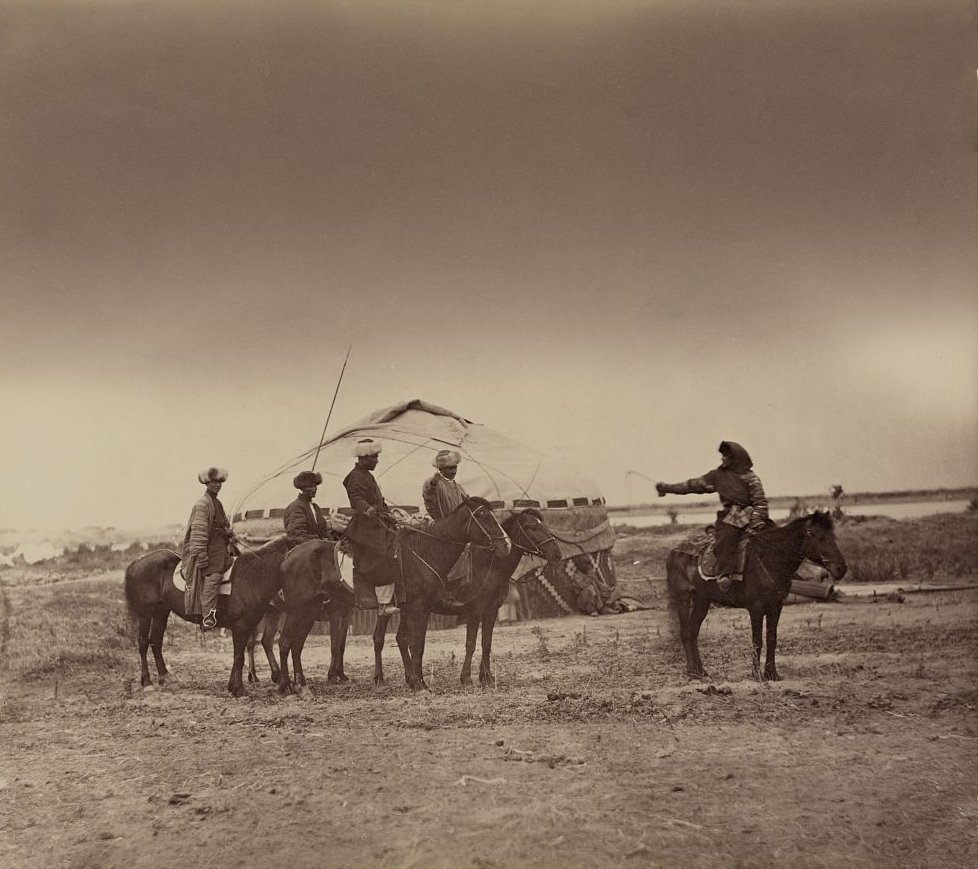 Ala kachuuA Kyrgyz custom of taking a woman for marriage, ranging from consensual elopement to forced abduction.
Good reading and sources
- French woman marries dead partnerThe Guardian, Article
- French woman marries dead partnerThe Guardian, Article
The facts on this page come from the Wikipedia article "Posthumous marriage in France", written by its contributors and used under the CC BY-SA 4.0 licence, and from its Wikidata record (CC0). EveryShaadi rewrote the text in its own words, with AI assistance, and compares every page with the article to make sure no passage is copied. It may be reused under the same CC BY-SA 4.0 licence with a link back.
It may contain mistakes. Wedding customs differ from one family, village and community to the next, and the people who keep them know them best. If something is wrong, tell us. Last refreshed 2026-10-05.
More from France
All the traditions of France 🇫🇷 France and 5 moreProxy marriage
A union where one or both partners are absent and represented by another person.Vow · The ceremony
🇫🇷 France and 5 moreProxy marriage
A union where one or both partners are absent and represented by another person.Vow · The ceremony
 🇩🇪 Germany and 5 moreMorganatic marriageEhe zur linken Hand
A union between people of unequal rank that bars the spouse and children from inheriting titles or throne rights.Vow · Engagement and betrothal
🇩🇪 Germany and 5 moreMorganatic marriageEhe zur linken Hand
A union between people of unequal rank that bars the spouse and children from inheriting titles or throne rights.Vow · Engagement and betrothal
 🇩🇪 Germany and 3 moreHerem of Rabbeinu GershomḤerem de-Rabbeinu Gershom
Medieval ordinances that banned polygyny and forced divorce for Ashkenazi Jews.Vow · Engagement and betrothal
🇩🇪 Germany and 3 moreHerem of Rabbeinu GershomḤerem de-Rabbeinu Gershom
Medieval ordinances that banned polygyny and forced divorce for Ashkenazi Jews.Vow · Engagement and betrothal
The same idea elsewhere
Vows, contracts and witnesses compared 🇰🇿 Kazakhstan and 1 moreKazakh wedding ceremonyҮйлену тойы (Üilenu toiy)
The multi-stage Kazakh marriage process featuring the face-revealing feast and the Islamic religious contract.Rite · Engagement and betrothal
🇰🇿 Kazakhstan and 1 moreKazakh wedding ceremonyҮйлену тойы (Üilenu toiy)
The multi-stage Kazakh marriage process featuring the face-revealing feast and the Islamic religious contract.Rite · Engagement and betrothal
 🇲🇽 Oaxaca, MexicoOaxacan wedding
A multi-day Catholic celebration in Oaxaca featuring mole, mezcal, and communal dancing.Feast custom · Engagement and betrothal
🇲🇽 Oaxaca, MexicoOaxacan wedding
A multi-day Catholic celebration in Oaxaca featuring mole, mezcal, and communal dancing.Feast custom · Engagement and betrothal
 🇮🇱 Israel and 2 moreKetubahכְּתוּבָּה
The Jewish marriage contract that outlines the groom's financial and personal obligations to the bride.Vow · Engagement and betrothal
🇮🇱 Jerusalem, Israel and 4 moreAgunahעֲגוּנָה (Agunah)
A Jewish woman trapped in a marriage because her husband has not granted a religious divorce document known as a get.Vow · After the wedding
🇮🇱 Israel and 2 moreKetubahכְּתוּבָּה
The Jewish marriage contract that outlines the groom's financial and personal obligations to the bride.Vow · Engagement and betrothal
🇮🇱 Jerusalem, Israel and 4 moreAgunahעֲגוּנָה (Agunah)
A Jewish woman trapped in a marriage because her husband has not granted a religious divorce document known as a get.Vow · After the wedding