Vows, contracts and registrationEurope
Morganatic marriage
In its own language: Ehe zur linken Hand
A union between people of unequal rank that bars the spouse and children from inheriting titles or throne rights.

This arrangement allows a person of high birth to marry someone of lower status without passing on dynastic privileges. It was most common in German-speaking territories where equality of birth was strictly enforced. The spouse and any offspring are excluded from the husband's succession rights and inherited property.
When is Morganatic marriage kept?
Morganatic marriage is kept on historically during periods of strict aristocratic hierarchy.
A morganatic marriage is a union between individuals of significantly different social standing. This type of contract ensures that the higher-ranking partner does not transfer their titles, precedence, or inheritance rights to the spouse or their children. While the children remain legitimate, they cannot claim the dynastic privileges of the father. This practice served to maintain the purity of royal bloodlines while allowing personal unions.
Etymology and origins
The term derives from medieval Latin, referring to a morning gift given by the groom to the bride. This custom originated in early Germanic cultures to provide security for women in widowhood. When a marriage contract limited the wife and children to only this specific gift, excluding all other inheritance, it became known as a morganatic union. The concept evolved to specifically address inequalities in noble birth across Europe.
German traditions
In German-speaking lands, this was called a left-handed marriage. The husband would offer his left hand during the ceremony instead of the right, symbolizing the lesser status of the union. Equality of birth was a core principle for reigning houses. Famous examples include the marriage of Archduke Franz Ferdinand, whose children were barred from the Austrian succession despite his high rank.
French and Danish practices
French law did not formally recognize morganatic marriages, relying instead on secret unions or royal consent to manage status differences. In Denmark, princes who married below their rank often renounced their succession rights. These unions allowed the couple to marry while preserving the throne for heirs from equal matches. Descendants might receive minor noble titles but never the crown.
Dynastic consequences
Children from these unions are legitimate but excluded from the line of succession. They do not inherit entailed property or titles held by the father. However, they may still achieve prominence through other means. Some descendants have gone on to rule other European states or marry into reigning families, proving that exclusion from one dynasty does not prevent success elsewhere.
How Morganatic marriage is kept
The couple enters a legal contract that explicitly limits the transfer of titles and wealth. The higher-ranking partner retains their full status, while the spouse receives a fixed allowance or specific property. Children are recognized as legitimate members of society but are barred from inheriting the family's dynastic legacy. The ceremony may involve symbolic gestures, such as using the left hand, to denote the unequal nature of the bond.
When and where
These marriages occurred historically when strict hierarchies governed noble families. They were arranged when a high-born individual wished to marry someone of lower status without compromising their lineage's future claims to thrones or estates.
The practice was strongest in German-speaking regions, including Austria and parts of modern Germany. It also appeared in Denmark and was occasionally referenced in discussions of French and British royal history, though legal frameworks varied significantly by country.
What Morganatic marriage means
The union symbolizes the prioritization of dynastic integrity over personal choice. By limiting the spouse's rights, the family ensures that titles and lands remain within the established line of descent. The left-hand gesture serves as a public acknowledgment of this restriction, distinguishing the marriage from an equal match.
Who takes part
- The high-born partner: Retains their title and succession rights while agreeing to limit what is passed to the spouse.
- The lower-ranked partner: Accepts a reduced status and excludes themselves and their children from the primary inheritance.
- The monarch or head of house: Often grants permission for the union, ensuring it does not threaten the dynasty's stability.
- The children: Are born legitimate but are legally barred from inheriting the father's dynastic privileges.
Then and now
Modern monarchies have largely abolished these distinctions. Succession laws now typically treat all children equally regardless of the parent's marital status. The practice remains a historical curiosity rather than a living custom in contemporary European royalty.

Questions people ask about Morganatic marriage
When is Morganatic marriage kept?
Morganatic marriage is kept on historically during periods of strict aristocratic hierarchy.
What is a morganatic marriage?
It is a union between people of unequal social rank. The agreement prevents the spouse and children from inheriting the higher-ranking partner's titles, precedence, or entailed property.
Are the children considered legitimate?
Yes, the children are legitimate for all purposes except dynastic succession. They cannot claim the father's titles or throne rights but remain part of the family legally.
Is this practice still used today?
No, most modern monarchies have abolished these distinctions. Current succession laws generally treat all children equally, making morganatic marriages obsolete in contemporary practice.
See also
Good reading and sources
- Encyclopaedia BritannicaArticle
- Queen backs Camilla to be Queen Consort on JubileeBBC, Article
- BBC NEWS | UKBBC, Article
- Queen backs Camilla to be Queen Consort on JubileeBBC, Article
- BBC NEWS | UKBBC, Article
- Morganatic marriage on WikipediaEncyclopedia
- More photos on Wikimedia CommonsPhotos and video
- Wikidata recordOpen data
The facts on this page come from the Wikipedia article "Morganatic marriage", written by its contributors and used under the CC BY-SA 4.0 licence, and from its Wikidata record (CC0). EveryShaadi rewrote the text in its own words, with AI assistance, and compares every page with the article to make sure no passage is copied. It may be reused under the same CC BY-SA 4.0 licence with a link back.
It may contain mistakes. Wedding customs differ from one family, village and community to the next, and the people who keep them know them best. If something is wrong, tell us. Last refreshed 2026-10-05.
More from Germany
All the traditions of Germany 🇫🇷 France and 5 moreProxy marriage
A union where one or both partners are absent and represented by another person.Vow · The ceremony
🇩🇪 Hamburg, Germany and 1 morePosthumous marriage in Germany
A legal rite that joined a living woman to a deceased soldier for state benefits.Vow · After the wedding
🇫🇷 France and 5 moreProxy marriage
A union where one or both partners are absent and represented by another person.Vow · The ceremony
🇩🇪 Hamburg, Germany and 1 morePosthumous marriage in Germany
A legal rite that joined a living woman to a deceased soldier for state benefits.Vow · After the wedding
 🇮🇱 Jerusalem, Israel and 5 moreInterfaith marriage in Judaismשִׁדּוּג חַלּוּץ (Shidug Chalutz) / אינטרפייט מריאז' (Interafeyt Mariyaz')
The union of a Jew and a non-Jew, viewed as void by traditional law but increasingly common in modern communities.Vow · Engagement and betrothal
🇩🇪 Germany and 2 moreGet of Cleves
A disputed 1766 Jewish divorce document that sparked international rabbinic debate over mental competence.Vow · After the wedding
🇮🇱 Jerusalem, Israel and 5 moreInterfaith marriage in Judaismשִׁדּוּג חַלּוּץ (Shidug Chalutz) / אינטרפייט מריאז' (Interafeyt Mariyaz')
The union of a Jew and a non-Jew, viewed as void by traditional law but increasingly common in modern communities.Vow · Engagement and betrothal
🇩🇪 Germany and 2 moreGet of Cleves
A disputed 1766 Jewish divorce document that sparked international rabbinic debate over mental competence.Vow · After the wedding
The same idea elsewhere
Arranged marriage, matchmaking and choosing a partner compared 🇲🇲 MyanmarMarriage in Myanmar
A blend of Buddhist rites, astrological timing, and family negotiations that defines union across Myanmar's diverse ethnRite · Finding a match
🇲🇲 MyanmarMarriage in Myanmar
A blend of Buddhist rites, astrological timing, and family negotiations that defines union across Myanmar's diverse ethnRite · Finding a match
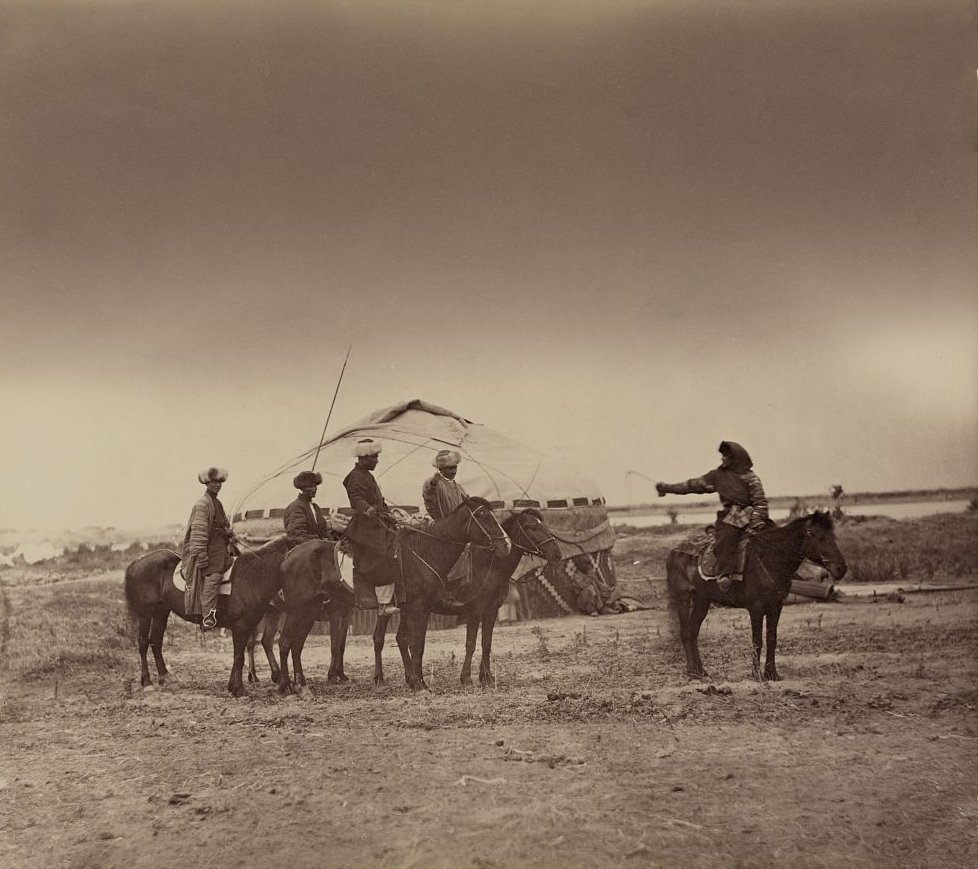 🇰🇬 Kyrgyzstan and 2 moreAla kachuuала качуу
A Kyrgyz custom of taking a woman for marriage, ranging from consensual elopement to forced abduction.Betrothal · Engagement and betrothal
🇮🇱 Israel and 1 moreBaháʼí marriage
A spiritual union requiring parental consent and a specific vow to establish harmony between partners.Rite · Finding a match
🇰🇬 Kyrgyzstan and 2 moreAla kachuuала качуу
A Kyrgyz custom of taking a woman for marriage, ranging from consensual elopement to forced abduction.Betrothal · Engagement and betrothal
🇮🇱 Israel and 1 moreBaháʼí marriage
A spiritual union requiring parental consent and a specific vow to establish harmony between partners.Rite · Finding a match