Music, dance and processionEurope
Zwiefacher
A Bavarian couple dance that shifts between three and two beats per measure.
The Zwiefacher is a traditional folk dance from southern Germany. Couples perform it in a closed hold while the music alternates between triple and duple time signatures. It remains popular in Bavaria and parts of Austria.
When is Zwiefacher kept?
Zwiefacher is kept during social gatherings and folk festivals.
The Zwiefacher is a lively partner dance originating in southern Germany. Dancers move to music that switches rhythmically between three-beat and two-beat measures. This unique structure requires partners to adjust their steps constantly. The dance is a staple of Bavarian cultural events and reflects centuries of local tradition.
Rhythmic structure
The defining feature of this dance is its changing meter. The music shifts between triple time and duple time within the same piece. These changes can happen at regular intervals or irregularly throughout the song. Early versions of the tune predate modern musical notation. Dancers must listen closely to anticipate the beat shift. The transition often looks like a change from waltz steps to pivots or polka steps.
Historical origins
The word Zwiefach first appeared in written records in 1780. It translates to 'two times' or 'double'. Scholars suggest this name refers to the dual time signatures. Others believe it describes the close physical connection between partners. The dance predates the modern German language. Researchers have cataloged over one hundred distinct tunes associated with this style. Many of these tunes carry multiple regional names.
Regional variations
While Bavaria is the heartland of the Zwiefacher, the dance extends beyond its borders. It is well known in Lower Bavaria, the Hallertau region, and Upper Palatinate. Communities in the Black Forest also practice it. The dance appears in neighboring areas including Austria, Alsace, the Czech Republic, and the Sudetenland. Local communities often use different names for the same steps. Some call it Bairischer, meaning farmer dance, though this differs from the Bavarian polka.
Classical influences
Composers have incorporated this folk rhythm into classical works. Carl Orff used the form in his Carmina Burana suite. Bedřich Smetana included a variant called the Furiant in The Bartered Bride. Georg Philipp Telemann wrote an aria in Zwiefacher style for his Kleine Kammermusik in 1716. These adaptations show the dance's structural flexibility. Musicians continue to write new lyrics for old melodies today.
How Zwiefacher is kept
Couples dance in a closed position, holding each other closely. They turn quickly while following the shifting rhythm. The lead dancer guides the follow through step changes. Partners may switch from waltz-like movements to pivots or polka hops. The dance requires attention to the musical cues. Groups perform it at folk festivals and community gatherings.
When and where
It occurs during social dances and folk celebrations. The timing depends on the event schedule rather than a specific calendar date.
It is strongest in Bavaria, particularly in Lower Bavaria and the Hallertau. It is also common in Upper Palatinate and the Black Forest. The dance exists in Austria, Alsace, and parts of the Czech Republic.
What Zwiefacher means
The alternating rhythms symbolize balance and adaptability. The close hold represents partnership and mutual support. The dance connects modern dancers to historical Bavarian traditions.
Who takes part
- The couple: Dance together in a closed hold while adjusting to rhythm changes
- The musicians: Play tunes that switch between triple and duple time signatures
If you are a guest
Guests watch the performance or join in if they know the steps. They may clap along to the changing beats. No specific attire is required, though traditional clothing is common.
Then and now
The dance remains active in Bavarian folk circles. New lyrics are sometimes written for traditional tunes. Modern groups preserve the steps through workshops and festivals.
Questions people ask about Zwiefacher
When is Zwiefacher kept?
Zwiefacher is kept during social gatherings and folk festivals.
What makes the Zwiefacher unique?
The music alternates between three-beat and two-beat measures. Dancers must adjust their steps to match these sudden rhythmic shifts.
Where is this dance primarily performed?
It originates in southern Germany, especially Bavaria. It is also found in Austria, Alsace, and parts of the Czech Republic.
See also
 Conga lineA long processing line dance that links dancers in single file to a rhythmic drum beat.
 Viennese waltzThe fast rotary ballroom dance that originated in Austria and defines the traditional waltz.
 CsárdásA Hungarian folk dance that begins slowly and ends with a fast spin.
 GroßvatertanzA traditional Saxon dance played at the end of wedding celebrations to mark the finale.
Good reading and sources
- Zwiefacher on WikipediaEncyclopedia
- More photos on Wikimedia CommonsPhotos and video
- Wikidata recordOpen data
The facts on this page come from the Wikipedia article "Zwiefacher", written by its contributors and used under the CC BY-SA 4.0 licence, and from its Wikidata record (CC0). EveryShaadi rewrote the text in its own words, with AI assistance, and compares every page with the article to make sure no passage is copied. It may be reused under the same CC BY-SA 4.0 licence with a link back.
It may contain mistakes. Wedding customs differ from one family, village and community to the next, and the people who keep them know them best. If something is wrong, tell us. Last refreshed 2026-10-06.
More from Germany
All the traditions of Germany
🇦🇹 Vienna, Austria and 2 moreViennese waltzWiener Walzer
The fast rotary ballroom dance that originated in Austria and defines the traditional waltz.Performance · Reception, dance and gifts
🇨🇺 Havana, Cuba and 5 moreConga line
A long processing line dance that links dancers in single file to a rhythmic drum beat.Performance · Reception, dance and gifts
🇩🇪 GermanyGroßvatertanz
A traditional Saxon dance played at the end of wedding celebrations to mark the finale.Performance · Reception, dance and gifts
 🇩🇪 Germany and 2 moreBridal ChorusTreulich geführt
The Wagner opera march played for the bride's entrance at Western weddings.Performance · Procession and arrival
🇩🇪 Germany and 2 moreBridal ChorusTreulich geführt
The Wagner opera march played for the bride's entrance at Western weddings.Performance · Procession and arrival
The same idea elsewhere
Wedding music and the dance floor compared 🇹🇷 Kayseri, Turkey and 4 moreHalay
A traditional line and circle dance performed across Turkey and surrounding regions at weddings.Performance · The ceremony
🇹🇷 Kayseri, Turkey and 4 moreHalay
A traditional line and circle dance performed across Turkey and surrounding regions at weddings.Performance · The ceremony
 🇪🇬 Cairo, EgyptTahtibتحطيب (taḥṭīb)
A traditional Egyptian stick-fighting martial art that evolved into a folk dance performed at weddings and celebrations.Performance · The weeks before
🇪🇬 Cairo, EgyptTahtibتحطيب (taḥṭīb)
A traditional Egyptian stick-fighting martial art that evolved into a folk dance performed at weddings and celebrations.Performance · The weeks before
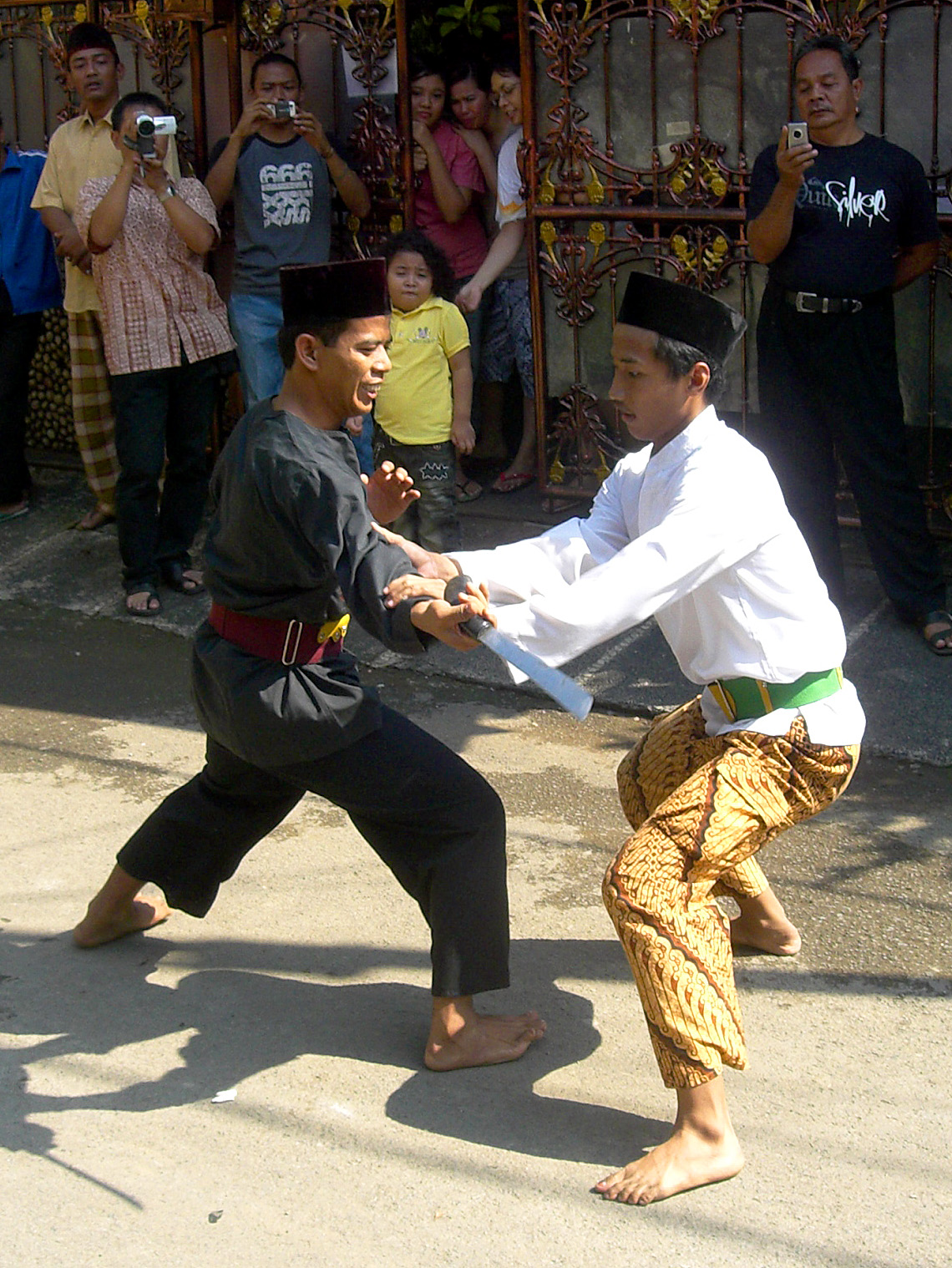 🇮🇩 Jakarta, IndonesiaPalang pintu
The martial arts and poetry test that allows the groom to enter the bride's home in Betawi weddings.Rite · The weeks before
🇮🇩 Jakarta, IndonesiaPalang pintu
The martial arts and poetry test that allows the groom to enter the bride's home in Betawi weddings.Rite · The weeks before
 🇪🇬 Egypt and 5 moreMizmarمزمار (mizmār)
A loud double reed instrument played at weddings and festivals across Egypt and the Levant.Performance · Procession and arrival
🇪🇬 Egypt and 5 moreMizmarمزمار (mizmār)
A loud double reed instrument played at weddings and festivals across Egypt and the Levant.Performance · Procession and arrival