Music, dance and processionEurope
Balos
In its own language: Μπάλος της Κύθνου
A vigorous paired folk dance from the Greek island of Kythnos featuring continuous back-to-back turns.

The Balos is a traditional Greek folk dance specific to the island of Kythnos. It is performed by men and women in pairs during local festivals, typically following the sirto dance. The routine involves complex rotations where partners face each other while spinning around their shared axis.
When is Balos kept?
Balos is kept during local festivals on the island of Kythnos.
The Balos is a distinctive folk dance rooted in the Greek island of Kythnos. Unlike similar dances elsewhere, this tradition features intense paired movements where couples execute multiple simultaneous rotations. It serves as a central element of local cultural celebrations and community gatherings.
Dance structure
This paired performance consists of three distinct parts that require significant physical coordination. Dancers hold hands and spin continuously back to back around their own axis. This movement pattern, known as voltes or furles, sets the Kythnos style apart from other regional variations. The dance demands precision as partners must maintain synchronization while rotating together. Musicologists and choreographers have noted the technical difficulty involved in executing these turns correctly without losing balance or rhythm.
Cultural context
The Balos holds an integral place within the musical heritage of Kythnos. It is traditionally performed during local feasts and community festivals. In standard event sequences, the dance follows the sirto, marking a shift in energy and tempo. Both men and women participate equally in this vigorous routine. The performance reflects the communal spirit of the island, bringing residents together through shared movement and music during seasonal celebrations.
How Balos is kept
Men and women form pairs to perform the dance at local festivals. They hold hands and execute continuous back-to-back rotations called voltes. The routine has three parts and requires high coordination. It usually follows the sirto dance during island feasts.
When and where
Performed during local festivals on Kythnos, typically after the sirto dance. No specific calendar dates are mentioned for when these festivals occur throughout the year.
Originating from the Greek island of Kythnos, this dance is specific to that location. It differs from balos dances found on other Greek islands due to its unique rotation style.
What Balos means
The sources do not describe specific symbolic meanings attached to the dance movements or gestures. The practice appears focused on cultural preservation and community participation rather than explicit ritual symbolism.
Who takes part
- Dancers: Perform paired rotations holding hands back to back
Questions people ask about Balos
When is Balos kept?
Balos is kept during local festivals on the island of Kythnos.
What is the Balos dance?
It is a traditional Greek folk dance from the island of Kythnos. Men and women perform it in pairs with continuous back-to-back turns called voltes.
How does it differ from other dances?
The Kythnos version is unique because of its multiple simultaneous rotations. Other Greek islands have different styles of balos dances.
See also
Good reading and sources
The facts on this page come from the Wikipedia article "Balos (Greek dance)", written by its contributors and used under the CC BY-SA 4.0 licence, and from its Wikidata record (CC0). EveryShaadi rewrote the text in its own words, with AI assistance, and compares every page with the article to make sure no passage is copied. It may be reused under the same CC BY-SA 4.0 licence with a link back.
It may contain mistakes. Wedding customs differ from one family, village and community to the next, and the people who keep them know them best. If something is wrong, tell us. Last refreshed 2026-10-06.
More from Greece
All the traditions of GreeceThe same idea elsewhere
Wedding music and the dance floor compared 🇮🇳 Chandigarh, IndiaBhangra
A vigorous Punjabi folk dance performed to the beat of a dhol drum during harvest celebrations.Performance · Reception, dance and gifts
🇮🇳 Chandigarh, IndiaBhangra
A vigorous Punjabi folk dance performed to the beat of a dhol drum during harvest celebrations.Performance · Reception, dance and gifts
 🇨🇺 Havana, Cuba and 5 moreConga line
A long processing line dance that links dancers in single file to a rhythmic drum beat.Performance · Reception, dance and gifts
🇨🇺 Havana, Cuba and 5 moreConga line
A long processing line dance that links dancers in single file to a rhythmic drum beat.Performance · Reception, dance and gifts
 🇪🇬 Egypt and 5 moreMizmarمزمار (mizmār)
A loud double reed instrument played at weddings and festivals across Egypt and the Levant.Performance · Procession and arrival
🇪🇬 Egypt and 5 moreMizmarمزمار (mizmār)
A loud double reed instrument played at weddings and festivals across Egypt and the Levant.Performance · Procession and arrival
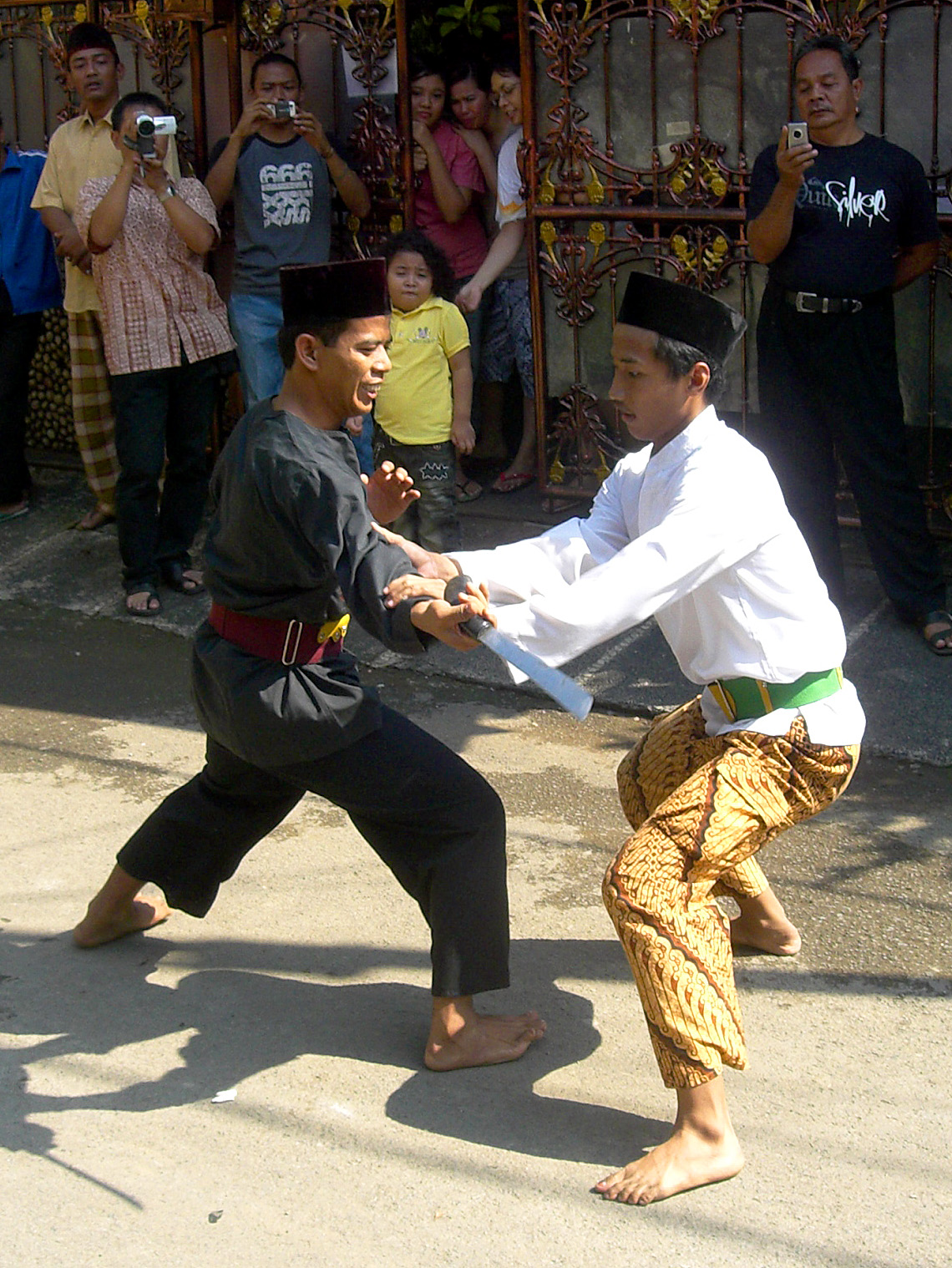 🇮🇩 Jakarta, IndonesiaPalang pintu
The martial arts and poetry test that allows the groom to enter the bride's home in Betawi weddings.Rite · The weeks before
🇮🇩 Jakarta, IndonesiaPalang pintu
The martial arts and poetry test that allows the groom to enter the bride's home in Betawi weddings.Rite · The weeks before