Wedding dress and clothingMiddle EastJewish
Bekishe
In its own language: בעקישע (bekishe) or בעקעטשע (beketche)
A long black coat worn by Hasidic men on the Sabbath and at weddings.

The bekishe is a traditional long coat worn by Hasidic Jewish men. It serves as formal attire for the Sabbath and religious festivals. The garment marks a shift from weekday wear to sacred observance.
When is Bekishe kept?
Bekishe is kept on the Sabbath and during religious festivals.
The bekishe is a long, formal coat worn by Hasidic Jewish men. It replaces everyday clothing for the Sabbath and holy days. This garment signals respect for the sacred time. Men don it for prayers, meals, and wedding ceremonies. The style varies by community and rank within the group.
Origins of the coat
The garment traces its roots to the Polish bekiesza. That earlier version was a fur-lined coat often decorated with galloon. Jewish law prohibits mixing wool with linen. This rule influences the materials used in modern versions. Most coats are now made of silk or polyester. The design has evolved while keeping its historical shape.
Styles and colors
Two main types exist for different occasions. The glatt bekishe is solid black and plain. It is worn for Friday night and Saturday morning prayers. The tish bekishe features patterns and is worn for Shabbat meals. Some leaders wear velvet piping or lining. Colors like blue or silver appear on specific garments. Married men in Jerusalem often wear gold striped kaftans instead.
Wearing the garment
Men switch from a rekel to a bekishe for the Sabbath. The rekel looks like a regular suit but is longer. Rabbis may wear ornate versions lined with velvet. Some groups wear black coats on weekdays. Others reserve the full bekishe for special events. The choice of fabric and color indicates the wearer's status and community affiliation.
How Bekishe is kept
Men remove their weekday suits and put on the bekishe before sunset on Friday. They wear it through the Sabbath services and meals. At weddings, the groom and male guests often choose this coat. The garment is kept clean and pressed for these occasions. Different communities have specific rules about which colors to wear.
When and where
It is worn from Friday evening until Saturday night. It is also worn on other Jewish holidays. The date is set by the lunar calendar and religious schedule.
It is common in Hasidic communities worldwide. Jerusalem is a major center for distinct styles. Groups in Bnei Brak and Ashdod also follow these dress codes. Communities in the United States maintain similar traditions.
What Bekishe means
The coat represents devotion and separation from secular life. Wearing it shows respect for the Sabbath. Specific colors and fabrics denote spiritual rank. The gold kaftan symbolizes honor for married men in certain Jerusalem groups. The black coat signifies humility and uniformity among many Hasidim.
Who takes part
- The groom: Wears a formal bekishe or kapoteh for the ceremony
- Hasidic rabbis: Wear ornate versions with velvet or special colors
- Married men: Switch from black coats to gold kaftans in some communities
- Wedding guests: Often wear matching or complementary formal coats
If you are a guest
Guests should wear formal attire that respects the community's standards. Men typically wear a bekishe or a dark suit. Women wear modest dresses covering the knees and elbows. Avoid bright colors or revealing cuts. Follow the couple's guidance on dress code.
Then and now
Modern materials like polyester have replaced silk in many cases. Some younger men prefer simpler designs. The tradition remains strong in strict Hasidic communities. Changes are slow and guided by religious leaders. Urban migration has spread the style to new cities.
On the wedding table
Symbols: Gold and jewellery
Questions people ask about Bekishe
When is Bekishe kept?
Bekishe is kept on the Sabbath and during religious festivals.
What is a bekishe?
It is a long, formal coat worn by Hasidic Jewish men. It serves as Sabbath and holiday attire. The coat is usually black and made of silk or polyester.
Is it legal?
There are no laws against wearing a bekishe. It is a personal religious choice. Communities in Israel and elsewhere freely practice this dress custom.
See also
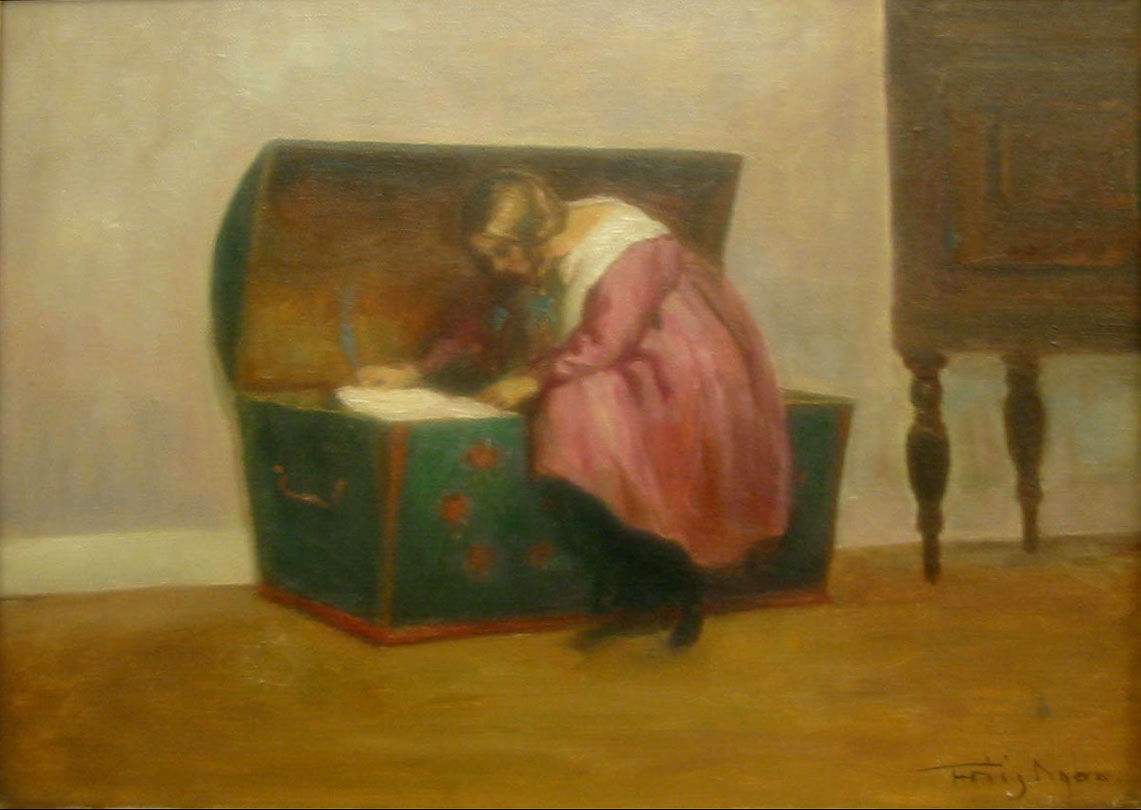 Hope chestA wooden chest where a bride collects linens and gifts before her wedding.
 White weddingA formal Western ceremony marked by a white bridal gown and traditional Christian rituals.
 Ring fingerThe fourth digit of the hand where wedding and engagement rings are traditionally worn.
 WimpelA linen sash made from a baby boy's circumcision cloth that binds the Torah scroll.
Good reading and sources
The facts on this page come from the Wikipedia article "Bekishe", written by its contributors and used under the CC BY-SA 4.0 licence, and from its Wikidata record (CC0). EveryShaadi rewrote the text in its own words, with AI assistance, and compares every page with the article to make sure no passage is copied. It may be reused under the same CC BY-SA 4.0 licence with a link back.
It may contain mistakes. Wedding customs differ from one family, village and community to the next, and the people who keep them know them best. If something is wrong, tell us. Last refreshed 2026-10-07.
More from Israel
All the traditions of Israel
🇩🇪 Hamburg, Germany and 3 moreWimpelווימפל
A linen sash made from a baby boy's circumcision cloth that binds the Torah scroll.Adornment · The weeks before
🇨🇾 Cyprus and 2 moreMarriage in Cyprus
A destination for civil and religious weddings that allows interfaith couples to marry outside their home laws.Vow · The ceremony
🇮🇱 Jerusalem, Israel and 4 moreAgunahעֲגוּנָה (Agunah)
A Jewish woman trapped in a marriage because her husband has not granted a religious divorce document known as a get.Vow · After the wedding
 🇮🇱 Israel and 2 moreKetubahכְּתוּבָּה
The Jewish marriage contract that outlines the groom's financial and personal obligations to the bride.Vow · Engagement and betrothal
🇮🇱 Israel and 2 moreKetubahכְּתוּבָּה
The Jewish marriage contract that outlines the groom's financial and personal obligations to the bride.Vow · Engagement and betrothal
The same idea elsewhere
The wedding dress and what the couple wear compared 🇳🇬 Iseyin, Nigeria and 2 moreAso okeAṣọ òkè
Hand-woven cloth worn by the Yoruba for weddings and formal gatheringsAttire · The ceremony
🇳🇬 Iseyin, Nigeria and 2 moreAso okeAṣọ òkè
Hand-woven cloth worn by the Yoruba for weddings and formal gatheringsAttire · The ceremony
 🇳🇬 Lagos, Nigeria and 3 moreAso ebiAsọ-Ẹbí
Matching outfits worn by groups to show solidarity at Yoruba weddings and other ceremoniesAttire · The weeks before
🇳🇬 Lagos, Nigeria and 3 moreAso ebiAsọ-Ẹbí
Matching outfits worn by groups to show solidarity at Yoruba weddings and other ceremoniesAttire · The weeks before
 🇲🇽 Oaxaca, Mexico and 1 moreHuipilhuīpīlli
The traditional tunic worn by indigenous women in Mexico and Central America for weddings and daily life.Attire · The weeks before
🇲🇽 Oaxaca, Mexico and 1 moreHuipilhuīpīlli
The traditional tunic worn by indigenous women in Mexico and Central America for weddings and daily life.Attire · The weeks before
 🇲🇱 MaliWeddings in Mali
Multi-day Malian wedding traditions blending Islamic rites, civil law, and local customs with bazin attire.Rite · Engagement and betrothal
🇲🇱 MaliWeddings in Mali
Multi-day Malian wedding traditions blending Islamic rites, civil law, and local customs with bazin attire.Rite · Engagement and betrothal