Music, dance and processionEurope
Chapelloise
A circle mixer dance with partner changes kept in the European Balfolk scene

The Chapelloise is a traditional folk dance featuring a circle formation and rotating partners. It belongs to the standard repertoire of the Balfolk community across France and northern Europe. Couples progress through a set sequence of steps to change partners repeatedly during the tune.
When is Chapelloise kept?
Chapelloise is kept at Balfolk social gatherings.
The Chapelloise is a lively circle dance where couples rotate partners throughout the music. Originating in the mid-twentieth century, it remains a staple of the Balfolk tradition in France and neighboring countries. Dancers move in a counter-clockwise direction, using specific steps to switch partners and maintain the flow of the social event.
Origins and history
The dance was introduced to France in the 1930s by Alick-Maud Pledge. Its French name comes from the village of Chapelle-des-Bois, where André Dufresne taught it in the 1970s. Participants forgot the original title and named it after the location. While some claim Swedish roots linked to 'Aleman's marsj', the choreography resembles British and American mixer dances more closely. The dance likely derives from the British 'Gay Gordons' or the 'All American Promenade'. In Scandinavia, it is often danced to Swedish tunes like Gärdeby Gånglåt, which may have fueled the confusion about its origin.
How it is kept
Dancers form a large circle with larks on the inside and robins on the outside. The music consists of lively 16-bar jigs. Couples step forward counterclockwise for three beats, then turn and step backward for four. They reverse direction, walking clockwise for three steps, then backward for four. In the second part, couples spring together and apart. The lark rolls away the robin, and they form an arch with joined hands. The robin steps through the arch to the outside of the circle, progressing to a new partner. This sequence repeats for the duration of the song.
Names and regions
In France and the broader European Balfolk scene, the dance is known as Chapelloise. In Belgium and the Netherlands, it is called Jig or Gigue, referencing the music style, or Aapje, an acronym for All American Promenade. Belgian dancers often perform it to 't Smidje' by Laïs. In Poland, a variant called Belgijka is widely popular. Polish dancers frequently perform Belgijka during Studniówka events, and competitions are held to achieve the most participants dancing simultaneously.
How Chapelloise is kept
Couples stand in a circle with larks inside and robins outside. They move counterclockwise, stepping forward and backward in specific patterns. After springing together and apart, the lark rolls the robin. They form an arch with their hands, allowing the robin to step through to the outer ring and find a new partner. This rotation continues until the music ends.
When and where
It is performed at Balfolk social gatherings. The dance takes place during the reception phase of these events, typically accompanying lively 16-bar jig music.
The custom is strongest in France, particularly in the Balfolk community. It is also established in Belgium, the Netherlands, Poland, Denmark, and Norway, where it appears under various local names.
What Chapelloise means
The dance emphasizes social connection and equality. The constant rotation ensures that every dancer interacts with multiple partners. The circle formation creates a sense of unity and shared rhythm among the participants.
Who takes part
- Larks: Begin on the inside of the circle and lead the partner through the arch
- Robins: Start on the outside and step through the arch to progress to a new partner
- Musicians: Play lively 16-bar jigs that dictate the pace of the steps
If you are a guest
Guests join the circle as either larks or robins. They follow the leader's steps to rotate partners. No special attire is required beyond comfortable shoes for dancing. Guests participate actively rather than watching.
Then and now
The dance remains a standard part of the Balfolk repertoire. It has adapted to different musical traditions, such as being danced to Flemish folk songs in Belgium. Competitions in Poland highlight its continued popularity and communal appeal.
Questions people ask about Chapelloise
When is Chapelloise kept?
Chapelloise is kept at Balfolk social gatherings.
What is the Chapelloise?
It is a traditional folk dance featuring a circle formation and rotating partners. It belongs to the Balfolk repertoire and involves couples changing partners throughout the tune.
Where does the name come from?
The French name derives from Chapelle-des-Bois, a village where it was taught in the 1970s. Participants forgot the original title and named it after the location.
Is the dance Swedish?
Claims of Swedish origin are disputed. The choreography resembles British and American mixer dances more closely. It likely derives from the Gay Gordons or All American Promenade.
How do partners change?
After forming an arch with joined hands, the robin steps through the arch to the outside of the circle. This allows them to progress to a new partner for the next sequence.
See also
 Chicken DanceA novelty polka song and accompanying hand movements performed at weddings and festivals.
 CsárdásA Hungarian folk dance that begins slowly and ends with a fast spin.
 Conga lineA long processing line dance that links dancers in single file to a rhythmic drum beat.
 PolonaiseA stately Polish partner dance in triple metre that opens weddings and formal celebrations.
Good reading and sources
- Chapelloise on WikipediaEncyclopedia
- More photos on Wikimedia CommonsPhotos and video
- Wikidata recordOpen data
The facts on this page come from the Wikipedia article "Chapelloise", written by its contributors and used under the CC BY-SA 4.0 licence, and from its Wikidata record (CC0). EveryShaadi rewrote the text in its own words, with AI assistance, and compares every page with the article to make sure no passage is copied. It may be reused under the same CC BY-SA 4.0 licence with a link back.
It may contain mistakes. Wedding customs differ from one family, village and community to the next, and the people who keep them know them best. If something is wrong, tell us. Last refreshed 2026-10-06.
More from France
All the traditions of France
🇨🇺 Havana, Cuba and 5 moreConga line
A long processing line dance that links dancers in single file to a rhythmic drum beat.Performance · Reception, dance and gifts
 🇦🇹 Vienna, Austria and 2 moreViennese waltzWiener Walzer
The fast rotary ballroom dance that originated in Austria and defines the traditional waltz.Performance · Reception, dance and gifts
🇦🇹 Vienna, Austria and 2 moreViennese waltzWiener Walzer
The fast rotary ballroom dance that originated in Austria and defines the traditional waltz.Performance · Reception, dance and gifts
 🇬🇧 United Kingdom and 4 moreCountry dance
A social partner dance from England where couples follow a caller through repeated figures in long lines or squares.Performance · Reception, dance and gifts
🇬🇧 United Kingdom and 4 moreCountry dance
A social partner dance from England where couples follow a caller through repeated figures in long lines or squares.Performance · Reception, dance and gifts
 🇬🇧 United Kingdom and 2 moreWhite wedding
A formal Western ceremony marked by a white bridal gown and traditional Christian rituals.Attire · Engagement and betrothal
🇬🇧 United Kingdom and 2 moreWhite wedding
A formal Western ceremony marked by a white bridal gown and traditional Christian rituals.Attire · Engagement and betrothal
The same idea elsewhere
Wedding music and the dance floor compared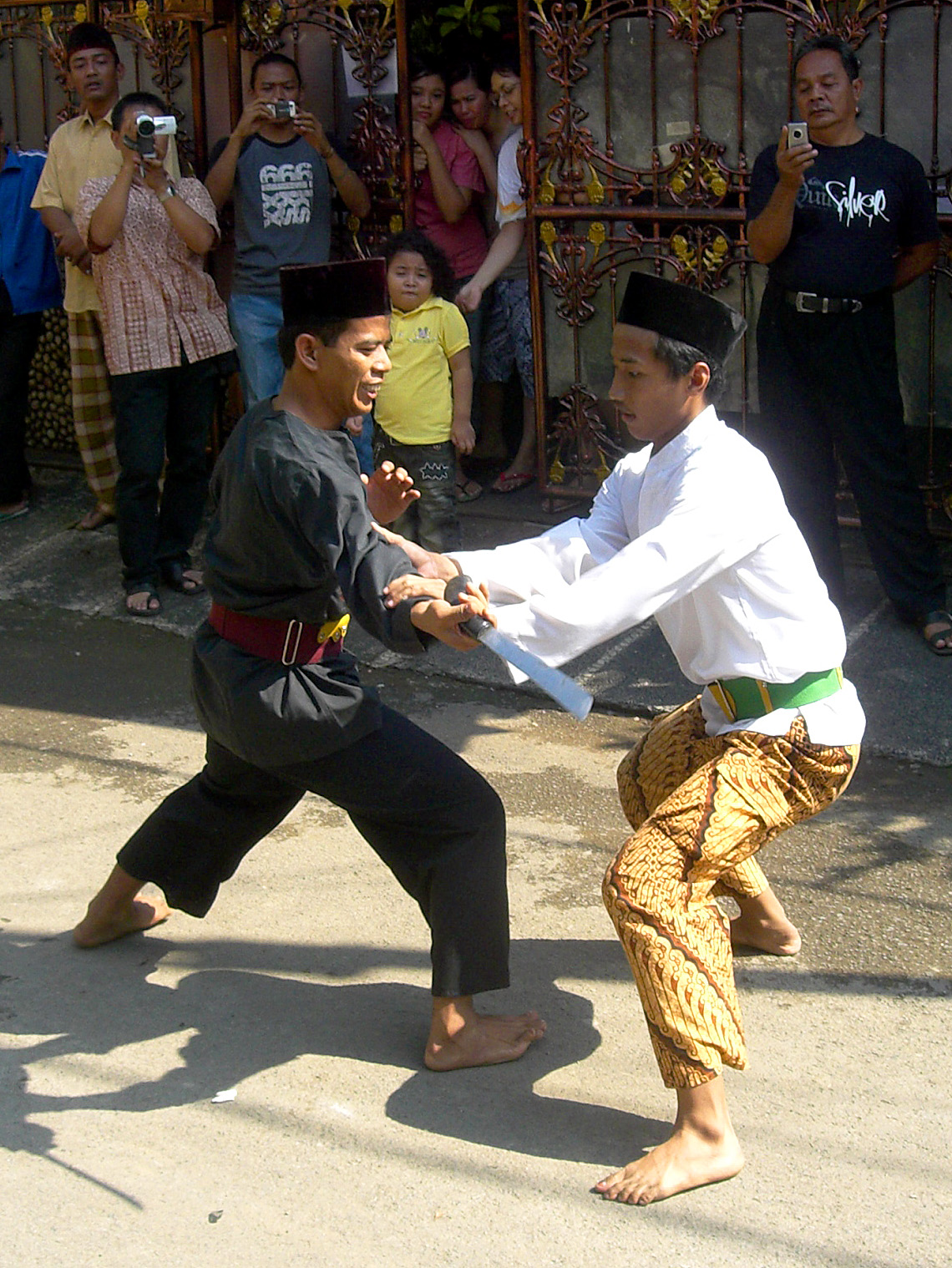 🇮🇩 Jakarta, IndonesiaPalang pintu
The martial arts and poetry test that allows the groom to enter the bride's home in Betawi weddings.Rite · The weeks before
🇮🇩 Jakarta, IndonesiaPalang pintu
The martial arts and poetry test that allows the groom to enter the bride's home in Betawi weddings.Rite · The weeks before
 🇮🇳 Chandigarh, IndiaBhangra
A vigorous Punjabi folk dance performed to the beat of a dhol drum during harvest celebrations.Performance · Reception, dance and gifts
🇮🇳 Chandigarh, IndiaBhangra
A vigorous Punjabi folk dance performed to the beat of a dhol drum during harvest celebrations.Performance · Reception, dance and gifts
 🇪🇬 Egypt and 5 moreMizmarمزمار (mizmār)
A loud double reed instrument played at weddings and festivals across Egypt and the Levant.Performance · Procession and arrival
🇪🇬 Egypt and 5 moreMizmarمزمار (mizmār)
A loud double reed instrument played at weddings and festivals across Egypt and the Levant.Performance · Procession and arrival
 🇲🇱 MaliWeddings in Mali
Multi-day Malian wedding traditions blending Islamic rites, civil law, and local customs with bazin attire.Rite · Engagement and betrothal
🇲🇱 MaliWeddings in Mali
Multi-day Malian wedding traditions blending Islamic rites, civil law, and local customs with bazin attire.Rite · Engagement and betrothal