Bride price, dowry and giftsEuropeCatholicSecular and civil
Dower
A share of the husband's property set aside to secure a woman's life if he dies first.
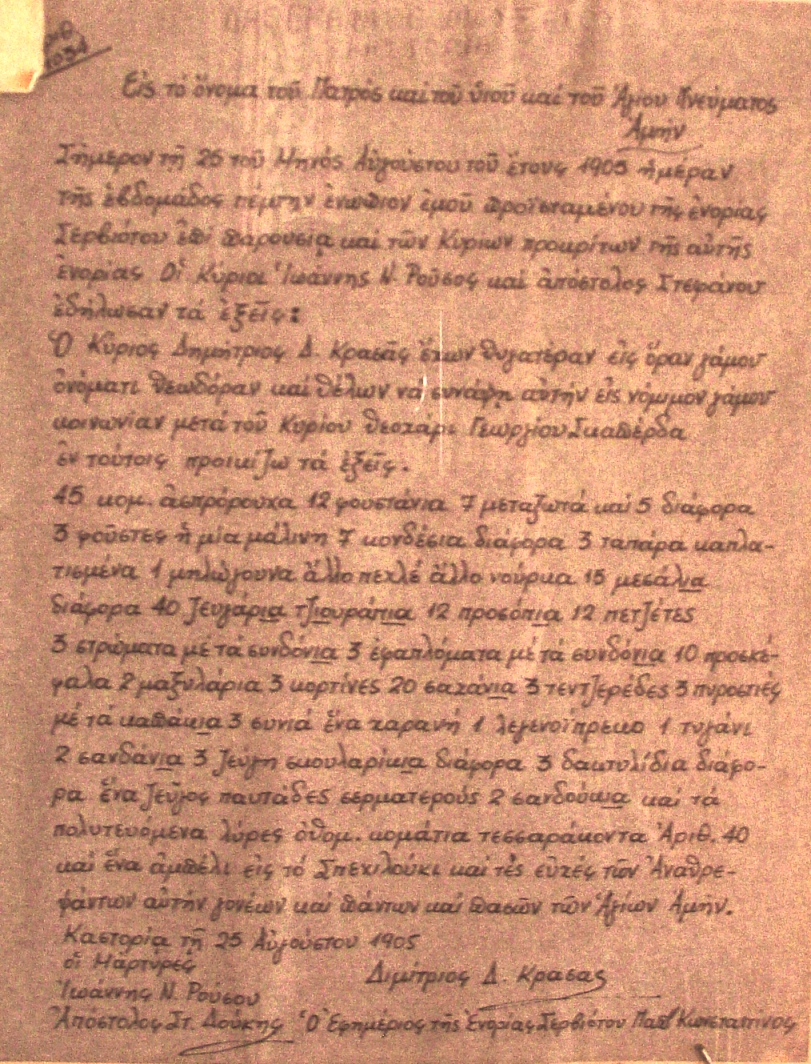
Dower is a traditional property settlement where a man grants a portion of his estate to his wife to ensure her financial security after his death. Originating in early medieval Germanic customs, this provision evolved from earlier bride prices paid to families. It remains a key concept in historical common law systems across Europe and North America.
When is Dower kept?
Dower is kept at the time of marriage or by legal decree.
Dower represents a historic safeguard for married women, guaranteeing them a slice of their husband's wealth should they survive him. Rooted in ancient Germanic traditions, this arrangement shifted wealth from the bride's kin to the bride herself. Over centuries, courts and churches refined these rules to protect widows from destitution, creating a legacy that still influences inheritance laws today.
Origins and evolution
Ancient Germanic tribes practiced giving gifts to brides, moving away from payments made to their fathers. As Christianity spread, the church encouraged husbands to secure their wives' futures directly. This shift transformed temporary bride prices into permanent property settlements. By the medieval period, kings and popes standardized these rules to prevent widows from falling into poverty. The practice appeared in major charters like the Magna Carta, cementing its place in Western law.
Legal structure and rights
Courts defined dower as a life interest in real estate. While the husband managed the land during his lifetime, the wife held an unshakeable claim to its benefits. This protection stood apart from her dowry, which the couple could spend together. If the husband faced creditors, the dower portion remained safe from seizure. Upon his passing, the widow gained full authority over her allocated share, free to pass it to her children or other heirs.
Regional variations
English law granted a widow one-third of the husband's lands. Scottish law called this right jus relictae. French and Norman territories adopted similar protections. In North America, colonies inherited these English rules. Some regions, like Quebec, kept customary forms longer. Today, most American states have replaced dower with new inheritance statutes, though a few still recognize the old claims alongside modern spousal protections.
Modern status
Legislatures have largely removed dower from modern codes. Reformers viewed it as outdated compared to joint estates or equal division laws. The final US state to repeal it did so in 2016. Contemporary couples now rely on prenuptial agreements and statutory elective shares to define spousal support, leaving dower as a subject of legal history rather than daily practice. Historical types like knight-service tenures vanished centuries ago.
How Dower is kept
The groom or his relatives designate a specific share of real estate or movable goods for the bride. This allocation happens during the engagement or wedding ceremony. The property remains under the husband's management while he lives, but the wife holds a protected claim. If he passes away, she gains full control or income from her portion. Her heirs or she herself may decide how to use or bequeath these assets.
When and where
Settled at the wedding or betrothal. Benefits apply after the husband's death.
Strongest in Germanic and Scandinavian regions, then spread through Norman conquest and Catholic influence to England, France, and later the US.
What Dower means
Represents the husband's duty to provide and the wife's independent economic standing. It marks her transition from her father's protection to her husband's, with a guaranteed safety net.
Who takes part
- Husband: Grants the property share to his spouse.
- Wife: Receives the right and manages it upon widowhood.
- Father-in-law: Sometimes provides the dower directly.
- Heirs: Inherit the remainder and assign the dower lot.
- Judge: Admeasures or assigns the specific land portion if disputed.
If you are a guest
Guests witness the settlement or the marriage vows that invoke these rights. They do not typically contribute financially.
Then and now
Most common law jurisdictions have abolished statutory dower. Many US states ended it recently, with Michigan being the last in 2016. Modern equivalents include elective shares or community property laws.
On the wedding table
Symbols: Money and envelopes


Questions people ask about Dower
When is Dower kept?
Dower is kept at the time of marriage or by legal decree.
How does dower differ from dowry?
Dowry flows from the bride's family to the groom, while dower moves from the groom to the bride for her future support.
What share did a wife receive?
Under English common law, a wife was entitled to one-third of her husband's landed estate for her lifetime.
Is dower still enforced?
Statutory dower has been repealed in most places. Some US states retain modified versions, but many rely on modern spousal elective share laws.
Can a husband prevent dower?
Historically, men used trusts or jointures to bypass dower rights. Laws like the Fines and Recoveries Act 1833 later clarified how these rights could be barred.
See also
 QuaichA shallow two-handled cup used in Scottish weddings to share a drink and symbolise union.Nikah halalaA second marriage required for a woman to remarry her first husband after triple talaq.
 WimpelA linen sash made from a baby boy's circumcision cloth that binds the Torah scroll.
Good reading and sources
The facts on this page come from the Wikipedia article "Dower", written by its contributors and used under the CC BY-SA 4.0 licence, and from its Wikidata record (CC0). EveryShaadi rewrote the text in its own words, with AI assistance, and compares every page with the article to make sure no passage is copied. It may be reused under the same CC BY-SA 4.0 licence with a link back.
It may contain mistakes. Wedding customs differ from one family, village and community to the next, and the people who keep them know them best. If something is wrong, tell us. Last refreshed 2026-10-05.
More from Germany
All the traditions of Germany
🇩🇪 Hamburg, Germany and 3 moreWimpelווימפל
A linen sash made from a baby boy's circumcision cloth that binds the Torah scroll.Adornment · The weeks before
 🇦🇹 Austria and 4 moreDirndl
The bodice, skirt and apron dress worn by brides in the German-speaking Alps.Attire · The ceremony
🇦🇹 Austria and 4 moreDirndl
The bodice, skirt and apron dress worn by brides in the German-speaking Alps.Attire · The ceremony
 🇩🇪 Germany and 5 morePolterabend
The evening before the wedding when guests break porcelain to bring luck and test the couple's teamwork.Blessing · The eve
🇩🇪 Hamburg, Germany and 1 morePosthumous marriage in Germany
A legal rite that joined a living woman to a deceased soldier for state benefits.Vow · After the wedding
🇩🇪 Germany and 5 morePolterabend
The evening before the wedding when guests break porcelain to bring luck and test the couple's teamwork.Blessing · The eve
🇩🇪 Hamburg, Germany and 1 morePosthumous marriage in Germany
A legal rite that joined a living woman to a deceased soldier for state benefits.Vow · After the wedding
The same idea elsewhere
Wedding money, envelopes and who pays compared 🇫🇯 FijiTabua
A polished sperm whale tooth exchanged as a gift in Fijian weddings and ceremonies.Gift custom · Engagement and betrothal
🇫🇯 FijiTabua
A polished sperm whale tooth exchanged as a gift in Fijian weddings and ceremonies.Gift custom · Engagement and betrothal
 🇲🇱 MaliWeddings in Mali
Multi-day Malian wedding traditions blending Islamic rites, civil law, and local customs with bazin attire.Rite · Engagement and betrothal
🇲🇱 MaliWeddings in Mali
Multi-day Malian wedding traditions blending Islamic rites, civil law, and local customs with bazin attire.Rite · Engagement and betrothal
 🇲🇲 MyanmarMarriage in Myanmar
A blend of Buddhist rites, astrological timing, and family negotiations that defines union across Myanmar's diverse ethnRite · Finding a match
🇲🇲 MyanmarMarriage in Myanmar
A blend of Buddhist rites, astrological timing, and family negotiations that defines union across Myanmar's diverse ethnRite · Finding a match