Henna, jewellery and body artEurope
Globe de mariée
A glass bell jar used in France to hold the bride's bouquet and preserve family memories.

The globe de mariée is a decorative glass vessel from France that once held the bride's bouquet or wax orange blossom crown. It served as a witness to her virtue at the wedding and later became a small family museum of personal milestones.
When is Globe de mariée kept?
Globe de mariée is kept from the mid 1800s to the early 1900s.
French brides once placed their flowers inside a glass bell jar called a globe de mariée. This object protected the bouquet while symbolizing the woman's purity. Over time, couples filled it with keepsakes like photographs and medals, turning it into a lasting record of their shared life.
Origins and history
These glass domes first appeared around 1850. Their popularity peaked between the 1890s and the 1920s. The First World War changed social norms and reduced the demand for these items. Manufacturers were mostly based in Paris, but couples across France and other European countries owned them. The practice declined as traditional expectations for women shifted away from strict displays of virtue.
Design and materials
A typical globe features an oval glass cover resting on a wooden base. Inside sits a velvet cushion, often red, which holds the bride's bouquet or a wax orange blossom crown. Makers added personalized decorations using wax, paper, mirrors, and gilded brass. These elements carried strong symbolic meaning related to the bride's character and the couple's hopes for their future together.
Symbolism and meaning
The term globe de mariée highlights its role as a witness to the bride's purity. Items placed inside, such as chastity rings or religious scapulars, reflected the strict norms assigned to women at the time. The broader term globe de mariage applies when the object evolves into a family archive. It houses memories of births, deaths, and military awards, preserving the couple's history.
How Globe de mariée is kept
Brides placed their wedding bouquet or a wax flower crown onto a velvet cushion inside the glass dome. The object stood as a display piece during the ceremony period. After the wedding, families added personal items like photographs, medals, and notes about significant events. The glass cover kept these mementos safe from dust while keeping them visible as a testament to the marriage.
When and where
It was common from the mid nineteenth century until the early twentieth century. The practice faded after the First World War altered social customs regarding women's roles and traditional wedding displays.
Manufacturers were concentrated in Paris. Couples from various regions in France and some other European nations purchased and displayed these globes in their homes as central wedding artifacts.
What Globe de mariée means
The globe acted as a guardian of the bride's virtue. By enclosing her flowers and modesty tokens like chastity rings, it publicly affirmed her purity. Later, it transformed into a vessel for family memory, holding photos and awards to document the couple's journey through life.
Who takes part
- The bride: Places her bouquet or crown inside the dome
- The manufacturer: Crafts the glass, wood, and decorative elements
- The couple: Adds personal keepsakes over the years
Then and now
The custom has largely disappeared. Modern weddings rarely use glass domes for bouquets. The tradition remains known mainly through historical records and museum collections rather than active practice.
On the wedding table
Symbols: The ring The veil The colour red Gold and jewellery

Questions people ask about Globe de mariée
When is Globe de mariée kept?
Globe de mariée is kept from the mid 1800s to the early 1900s.
What is a globe de mariée?
It is a French decorative glass dome used to hold a bride's bouquet or crown. It served as a symbol of purity during the wedding and later became a container for family memories.
What does the globe contain?
Initially, it held the bride's flowers and modesty tokens like rings or scapulars. Later, families added photographs, medals, and notes about births or deaths to create a family archive.
See also
 SvayamvaraThe ancient Hindu ceremony where a princess picks her husband from assembled suitors
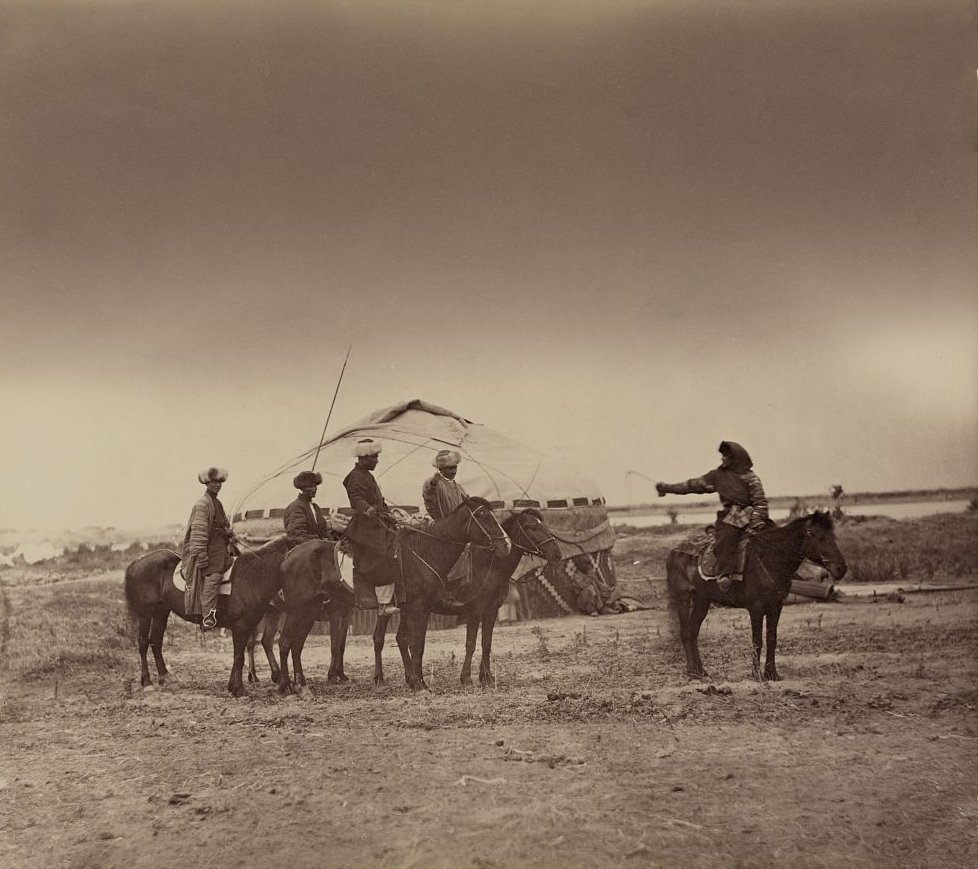 Ala kachuuA Kyrgyz custom of taking a woman for marriage, ranging from consensual elopement to forced abduction.
Good reading and sources
- Globe de mariée on WikipediaEncyclopedia
- More photos on Wikimedia CommonsPhotos and video
- Wikidata recordOpen data
The facts on this page come from the Wikipedia article "Globe de mariée", written by its contributors and used under the CC BY-SA 4.0 licence, and from its Wikidata record (CC0). EveryShaadi rewrote the text in its own words, with AI assistance, and compares every page with the article to make sure no passage is copied. It may be reused under the same CC BY-SA 4.0 licence with a link back.
It may contain mistakes. Wedding customs differ from one family, village and community to the next, and the people who keep them know them best. If something is wrong, tell us. Last refreshed 2026-10-05.
More from France
All the traditions of France 🇫🇷 France and 1 moreAcrostic ring
A jewelled band where gemstone initials spell a secret romantic wordAdornment · Engagement and betrothal
🇫🇷 FrancePosthumous marriage in Francemariage posthume
A legal union with a deceased partner, authorized by the French President for serious reasons.Vow · The ceremony
🇨🇦 Canada and 1 moreMarriage à la façon du paysMariage à la façon du pays
The common-law unions between European fur traders and Indigenous women that shaped North American history.Betrothal · Engagement and betrothal
🇫🇷 France and 1 moreAcrostic ring
A jewelled band where gemstone initials spell a secret romantic wordAdornment · Engagement and betrothal
🇫🇷 FrancePosthumous marriage in Francemariage posthume
A legal union with a deceased partner, authorized by the French President for serious reasons.Vow · The ceremony
🇨🇦 Canada and 1 moreMarriage à la façon du paysMariage à la façon du pays
The common-law unions between European fur traders and Indigenous women that shaped North American history.Betrothal · Engagement and betrothal
 🇺🇸 United States and 5 moreBridesmaid
A female attendant who supports the bride during a Western wedding ceremony.Family role · Engagement and betrothal
🇺🇸 United States and 5 moreBridesmaid
A female attendant who supports the bride during a Western wedding ceremony.Family role · Engagement and betrothal
The same idea elsewhere
Veils, crowns and the covered head compared 🇪🇬 Egypt and 4 moreWaist beads
Strands of glass or seed worn around the hips to mark womanhood and track body changes in West and North Africa.Adornment · Engagement and betrothal
🇪🇬 Egypt and 4 moreWaist beads
Strands of glass or seed worn around the hips to mark womanhood and track body changes in West and North Africa.Adornment · Engagement and betrothal
 🇯🇵 Tokyo, JapanShinto wedding神前結婚 (Shinzen kekkon)
A Shinto purification ritual featuring sake sharing and kimono attire held at a shrine or venue.Rite · The ceremony
🇯🇵 Tokyo, JapanShinto wedding神前結婚 (Shinzen kekkon)
A Shinto purification ritual featuring sake sharing and kimono attire held at a shrine or venue.Rite · The ceremony
 🇮🇳 IndiaOdia Hindu weddingBahaghara (ଓଡ଼ିଆ ବାହାଘର)
The traditional Hindu marriage ceremony of the Odia people in Odisha, India.Rite · Engagement and betrothal
🇮🇳 IndiaOdia Hindu weddingBahaghara (ଓଡ଼ିଆ ବାହାଘର)
The traditional Hindu marriage ceremony of the Odia people in Odisha, India.Rite · Engagement and betrothal
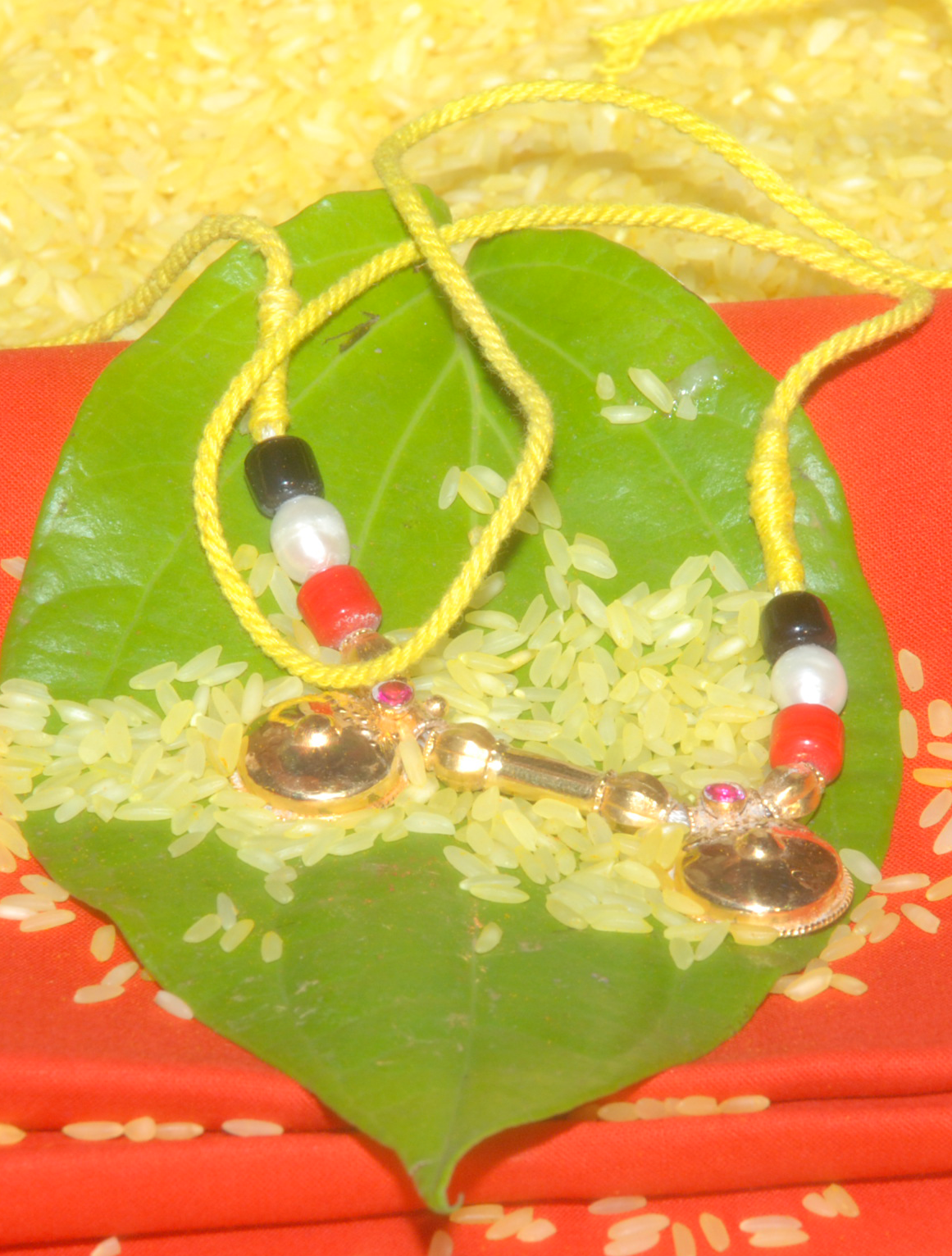 🇮🇳 India and 2 moreMangalsutraमङ्गलसूत्रम् (maṅgalasūtram)
The sacred necklace tied around the bride's neck to mark her marriage.Adornment · The ceremony
🇮🇳 India and 2 moreMangalsutraमङ्गलसूत्रम् (maṅgalasūtram)
The sacred necklace tied around the bride's neck to mark her marriage.Adornment · The ceremony