Ceremony and sacred ritesSouth Asia
Mayian
The turmeric paste ceremony held the day before Punjabi weddings in India and Pakistan.

Mayian is a pre-wedding ritual practiced by Punjabi communities in India and Pakistan. It involves applying a turmeric-based paste to the bride and groom to cleanse their bodies before the main wedding ceremony.
When is Mayian kept?
Mayian is kept on one day before the wedding.
Mayian marks the final preparation for a Punjabi wedding. Families gather at the couple's homes to apply a yellow paste made of turmeric and oil. This act cleanses the skin and brings good fortune. The event sets a joyful tone for the ceremonies that follow.
The application ritual
Relatives sit the bride or groom on a wooden plank called a patri. Four women hold a red cloth above them while married female relatives rub a mixture of turmeric, flour, and mustard oil onto the body. This process covers the face, arms, and legs. The goal is to balance the body and prepare it for married life. Women sing traditional songs during this time. Guests from the biradari receive gogley sweets as a gift.
Family gifts and attire
The maternal uncle plays a central role in these preparations. He presents clothes, jewelry, and cash known as nankey-shak to his niece. He places ivory and red bangles on her wrists while women sing about his importance. The bride then bathes and dresses in these new garments. The groom also receives a sherwani from his maternal uncles to wear on the wedding day.
Nighttime celebrations
The Jaggo ceremony takes place late at night. Families dance and sing in front of the decorated home. Copper vessels called gaffers are filled with mustard oil and lit with clay lamps. A maternal aunt carries a lamp on her head while another shakes a stick with bells. They visit neighbors who welcome them with food and drinks. This lively procession often leads into ladies' singing nights or mehndi parties.
How Mayian is kept
Families gather at the couple's home one day prior. Relatives apply a turmeric paste to the bride and groom while seated on a plank. Maternal uncles present gifts like bangles and clothing. Women sing traditional songs throughout the day. The evening features the Jaggo procession with lit lamps and dancing through the neighborhood.
When and where
This custom occurs one day before the main wedding. It typically happens in the morning but can extend into the afternoon or evening. The timing ensures the couple is physically and spiritually ready for the next day.
The practice is common in Punjab across India and Pakistan. It also appears among Sikh diaspora communities in Britain. Homes serve as the primary venue for these intimate family gatherings.
What Mayian means
The turmeric paste cleanses the body and balances energy for marriage. The gifts from maternal uncles highlight the enduring bond between families. The red cloth and bangles symbolize protection and prosperity. The entire ritual aims to bring luck and joy to the couple.
Who takes part
- Maternal uncle: Presents gifts and places bangles on the bride
- Married women: Applies the turmeric paste and sings songs
- Four female relatives: Holds a red cloth above the seated person
- Maternal aunt: Carries a lit lamp during the Jaggo procession
If you are a guest
Guests receive sweets called gogley after the paste application. Neighbors welcome the Jaggo procession with food and drinks. Everyone participates in the singing and dancing to celebrate the upcoming union.
Then and now
The tradition continues strongly in Punjab and among Sikh communities in Britain. Diaspora groups maintain these rituals to preserve cultural identity. The core elements remain consistent despite geographical distance.
On the wedding table
- Gogley: Sweets given to guests at the end of the ceremony
Symbols: Turmeric The ring The colour red Gold and jewellery
Questions people ask about Mayian
When is Mayian kept?
Mayian is kept on one day before the wedding.
What is Mayian?
Mayian is a pre-wedding ritual where turmeric paste is applied to the bride and groom. It happens one day before the wedding to cleanse and bless the couple.
Who applies the paste?
Married female relatives apply the paste. They are led by the mother while four women hold a red cloth overhead. The maternal uncle also plays a key role in gifts.
See also
 SvayamvaraThe ancient Hindu ceremony where a princess picks her husband from assembled suitors
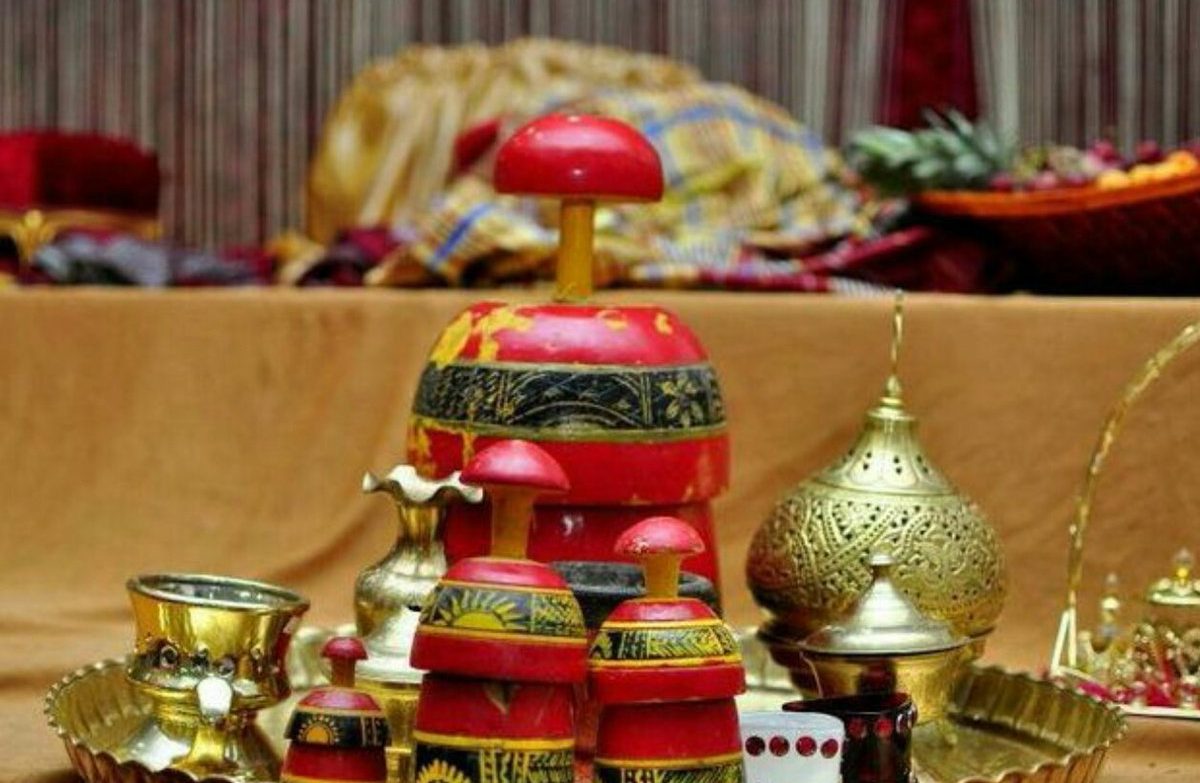 JirtigA Sudanese inauguration ritual where the groom is symbolically crowned as a king.
 IhiThe Newar rite in which a girl is married to Vishnu, shown by a golden figure
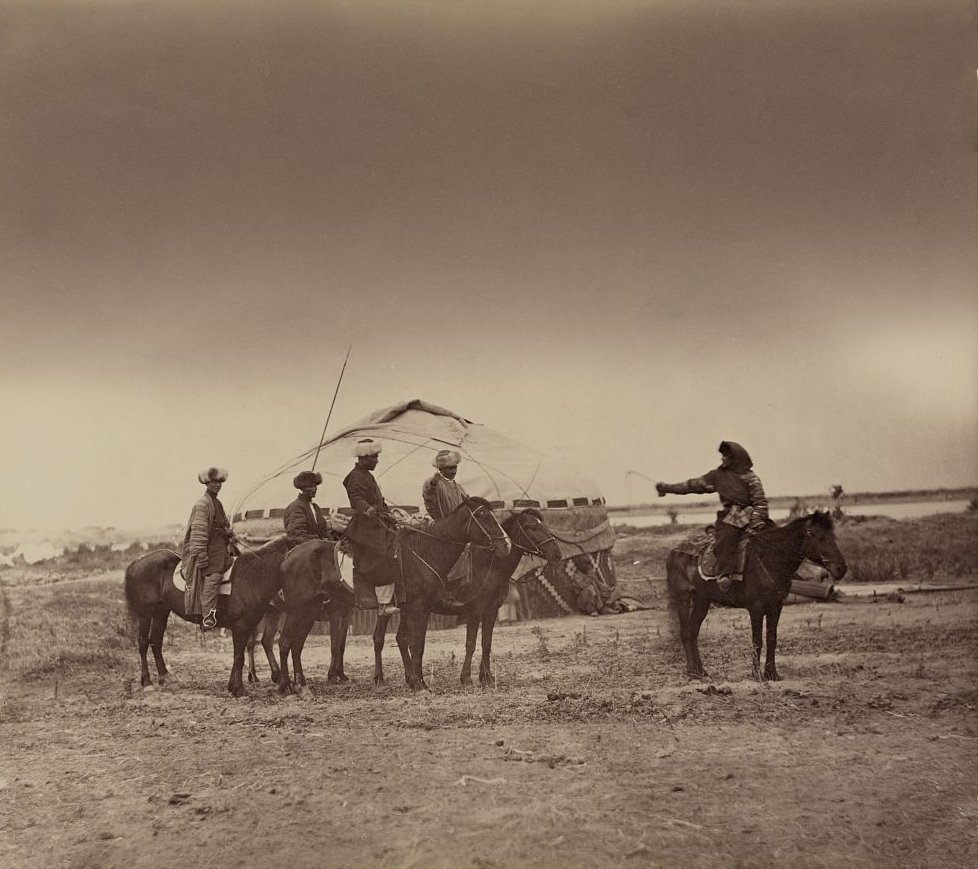 Ala kachuuA Kyrgyz custom of taking a woman for marriage, ranging from consensual elopement to forced abduction.
Good reading and sources
- Mayian on WikipediaEncyclopedia
- More photos on Wikimedia CommonsPhotos and video
- Wikidata recordOpen data
The facts on this page come from the Wikipedia article "Mayian", written by its contributors and used under the CC BY-SA 4.0 licence, and from its Wikidata record (CC0). EveryShaadi rewrote the text in its own words, with AI assistance, and compares every page with the article to make sure no passage is copied. It may be reused under the same CC BY-SA 4.0 licence with a link back.
It may contain mistakes. Wedding customs differ from one family, village and community to the next, and the people who keep them know them best. If something is wrong, tell us. Last refreshed 2026-10-05.
More from India
All the traditions of India 🇮🇳 IndiaTulasi Vivahतुलसी विवाह (Tulasī Vivāha)
A symbolic Hindu wedding uniting the holy basil plant with a stone representing Vishnu.Rite · The weeks before
🇮🇳 IndiaNishekam
The Hindu rite of consummation on the first night after marriageRite · The ceremony
🇮🇳 IndiaTulasi Vivahतुलसी विवाह (Tulasī Vivāha)
A symbolic Hindu wedding uniting the holy basil plant with a stone representing Vishnu.Rite · The weeks before
🇮🇳 IndiaNishekam
The Hindu rite of consummation on the first night after marriageRite · The ceremony
 🇮🇳 India and 1 moreLaavaanਲਾਵਾਂ ਫੇਰੇ (Lavan)
The four sacred hymns sung during the Anand Karaj that guide a Sikh couple through spiritual stages of married life.Rite · The ceremony
🇮🇳 India and 1 moreLaavaanਲਾਵਾਂ ਫੇਰੇ (Lavan)
The four sacred hymns sung during the Anand Karaj that guide a Sikh couple through spiritual stages of married life.Rite · The ceremony
 🇮🇳 IndiaGaye holudগায়ে হলুদ
The turmeric ceremony that prepares the Bengali bride and groom for marriageRite · The weeks before
🇮🇳 IndiaGaye holudগায়ে হলুদ
The turmeric ceremony that prepares the Bengali bride and groom for marriageRite · The weeks before
The same idea elsewhere
Henna, turmeric and the decorated bride compared 🇪🇬 Egypt and 4 moreWaist beads
Strands of glass or seed worn around the hips to mark womanhood and track body changes in West and North Africa.Adornment · Engagement and betrothal
🇪🇬 Egypt and 4 moreWaist beads
Strands of glass or seed worn around the hips to mark womanhood and track body changes in West and North Africa.Adornment · Engagement and betrothal
 🇪🇬 Egypt and 2 moreHenna ceremonyليلة الحناء (Laylat al-Henna)
The pre-wedding gathering where the bride and guests receive intricate henna body art for luck and protection.Adornment · The weeks before
🇪🇬 Egypt and 2 moreHenna ceremonyليلة الحناء (Laylat al-Henna)
The pre-wedding gathering where the bride and guests receive intricate henna body art for luck and protection.Adornment · The weeks before
 🇸🇿 Ludzidzini Royal Village, Eswatini and 1 moreUmhlanga
The annual Swazi and Zulu gathering where young women cut reeds to preserve chastity and offer tribute labour.Rite · The eve
🇸🇿 Ludzidzini Royal Village, Eswatini and 1 moreUmhlanga
The annual Swazi and Zulu gathering where young women cut reeds to preserve chastity and offer tribute labour.Rite · The eve
 🇲🇲 MyanmarMarriage in Myanmar
A blend of Buddhist rites, astrological timing, and family negotiations that defines union across Myanmar's diverse ethnRite · Finding a match
🇲🇲 MyanmarMarriage in Myanmar
A blend of Buddhist rites, astrological timing, and family negotiations that defines union across Myanmar's diverse ethnRite · Finding a match