Ceremony and sacred ritesSoutheast Asia
Merariq
A Sasak ritual in Lombok where the groom takes the bride to his home with family consent.
Merariq is a marriage custom of the Sasak people in Indonesia. It involves a symbolic abduction of the bride by her future husband. The act represents an elopement but requires full parental agreement and participation.
When is Merariq kept?
Merariq is kept on before the formal wedding ceremony.
Merariq serves as a key betrothal ritual for the Sasak community in Indonesia. It mimics a traditional abduction while ensuring all parties agree to the union. This step bridges the gap between courtship and the final wedding vows through a shared journey.
The ritual process
The groom leads the bride from her family home to his own residence. This movement symbolizes the couple leaving their parents to start a new life together. The act is framed as an elopement rather than a forced taking. Both families know about the plan beforehand. The bride's relatives do not stop the event because they have already accepted the match. This stage happens before the official religious or civil marriage takes place.
Family involvement
Parents on both sides play a central role in this tradition. They discuss the union long before the symbolic kidnapping occurs. The groom's family prepares to receive the bride at their house. The bride's family watches over the process to ensure safety and propriety. Their presence confirms that the act is consensual. Without this prior agreement, the ritual loses its cultural meaning and becomes a simple departure.
Modern context
Some outsiders misunderstand Merariq as actual bride kidnapping. This confusion has led to misuse of the term by those seeking non-consensual arrangements. The Sasak community distinguishes clearly between the sacred ritual and illegal abduction. Legal authorities monitor these events to prevent abuse. The tradition remains a protected cultural practice when followed according to established norms and mutual consent.
How Merariq is kept
The groom visits the bride's home and leads her away to his family's house. This walk or ride symbolizes the couple's new beginning. Parents from both sides witness or approve the move. The bride does not resist because she agrees to the marriage. The groom's family welcomes her immediately upon arrival. This sequence replaces the need for a dramatic chase scene found in folklore.
When and where
It occurs during the engagement phase, before the main wedding ceremony. The timing depends on when the families agree to the match. There is no fixed calendar date for this specific action.
This custom is practiced by the Sasak people in Lombok, Indonesia. It is specific to this island and its local traditions. You will not find it in other Indonesian regions.
What Merariq means
The ritual represents the transition from single life to married life. Taking the bride home signifies her acceptance into the groom's lineage. It honors ancestral customs of elopement while maintaining modern social order. The act shows respect for family bonds even during separation.
Who takes part
- The groom: Leads the bride away from her home
- The bride: Agrees to leave and follows her partner
- The parents: Give consent and oversee the transfer
- The groom's family: Receives the bride at their residence
If you are a guest
Guests may witness the departure if they are close family. They should respect the privacy of the moment. No specific gifts or attire are required for this stage. Observers simply acknowledge the couple's new status.
Then and now
The practice faces scrutiny due to misinterpretation as forced abduction. Communities work to clarify the consensual nature of the rite. Legal frameworks protect against genuine kidnapping under the guise of Merariq. Younger generations may adapt the speed or form of the ritual.
Questions people ask about Merariq
When is Merariq kept?
Merariq is kept on before the formal wedding ceremony.
Is Merariq a real kidnapping?
No. It is a symbolic ritual performed with the full consent of the bride, groom, and both sets of parents. It mimics an elopement but is planned and approved by families.
Who practices Merariq?
The Sasak people of Lombok, Indonesia, keep this tradition. It is specific to their culture and not found in other parts of the country.
What happens after the ritual?
After the symbolic taking, the couple usually proceeds to the formal wedding ceremony. The families then celebrate the union officially with guests and feasts.
See also
 Minangkabau marriageA matrilineal wedding tradition from West Sumatra where the groom moves into the bride's family home.
 MayianThe turmeric paste ceremony held the day before Punjabi weddings in India and Pakistan.
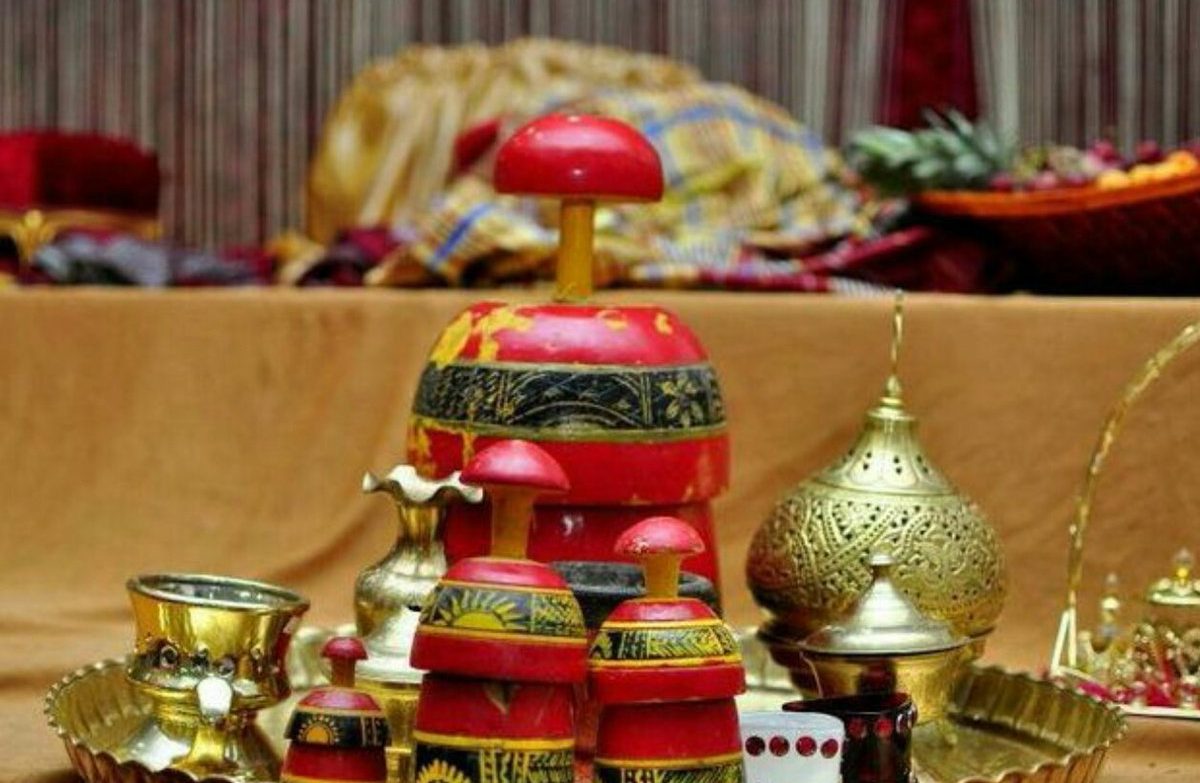 JirtigA Sudanese inauguration ritual where the groom is symbolically crowned as a king.
 IhiThe Newar rite in which a girl is married to Vishnu, shown by a golden figure
Good reading and sources
The facts on this page come from the Wikipedia article "Merariq", written by its contributors and used under the CC BY-SA 4.0 licence, and from its Wikidata record (CC0). EveryShaadi rewrote the text in its own words, with AI assistance, and compares every page with the article to make sure no passage is copied. It may be reused under the same CC BY-SA 4.0 licence with a link back.
It may contain mistakes. Wedding customs differ from one family, village and community to the next, and the people who keep them know them best. If something is wrong, tell us. Last refreshed 2026-10-05.
More from Indonesia
All the traditions of Indonesia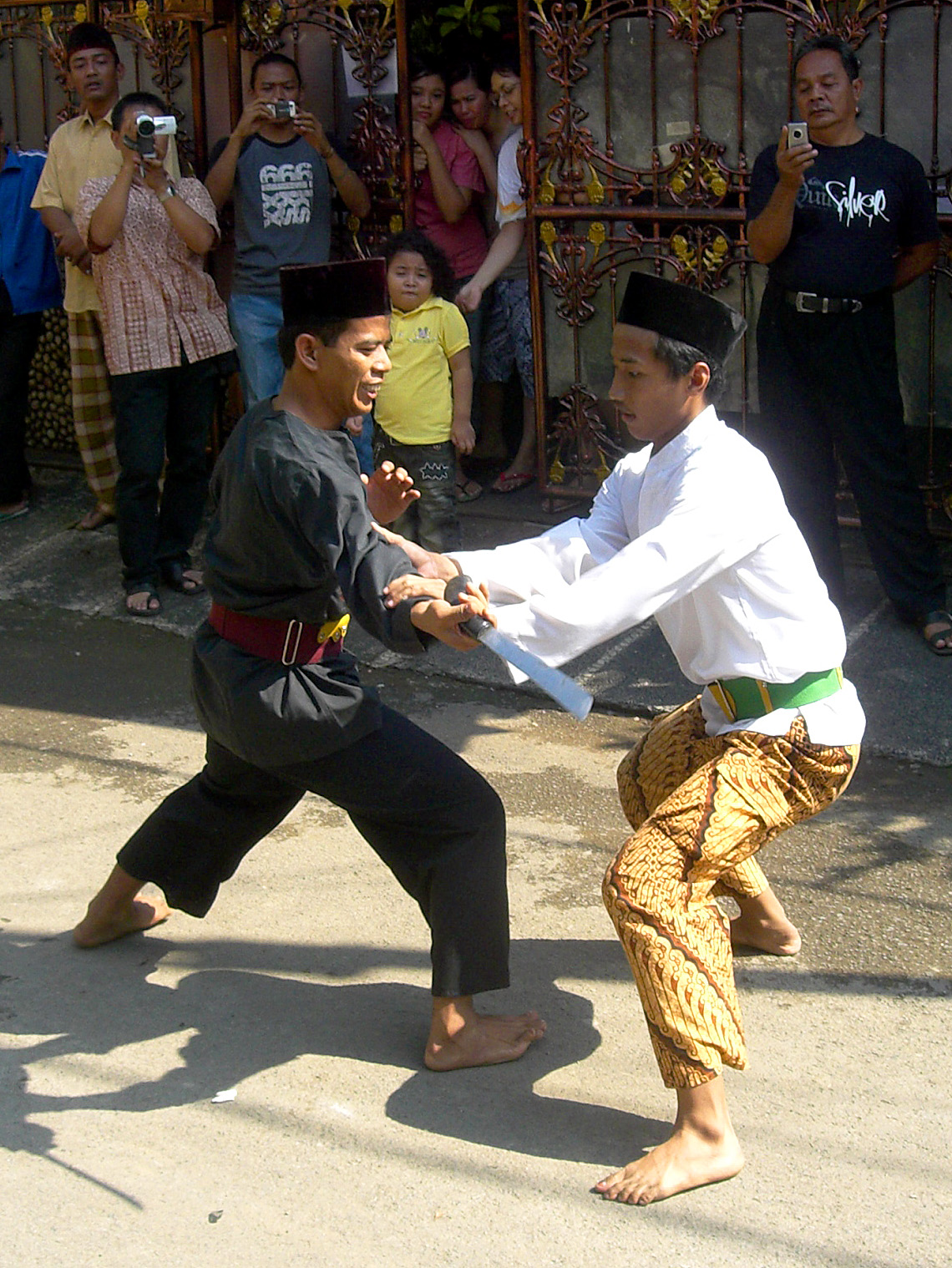 🇮🇩 Jakarta, IndonesiaPalang pintu
The martial arts and poetry test that allows the groom to enter the bride's home in Betawi weddings.Rite · The weeks before
🇮🇩 Jakarta, IndonesiaPalang pintu
The martial arts and poetry test that allows the groom to enter the bride's home in Betawi weddings.Rite · The weeks before
 🇮🇩 Indonesia and 2 moreKenduri
A communal feast and prayer gathering held by Javanese and Malay communities to mark life events.Feast custom · The weeks before
🇮🇩 Indonesia and 2 moreKenduri
A communal feast and prayer gathering held by Javanese and Malay communities to mark life events.Feast custom · The weeks before
 🇲🇾 Malaysia and 4 moreBaju Kurungباجو كوروڠ
The traditional blouse and skirt worn by Malay women for weddings and religious ceremoniesAttire · The weeks before
🇲🇾 Malaysia and 4 moreBaju Kurungباجو كوروڠ
The traditional blouse and skirt worn by Malay women for weddings and religious ceremoniesAttire · The weeks before
 🇮🇩 Palembang, Indonesia and 2 moreSongketᬲᭀᬂᬓᬾᬢ᭄
A hand-woven brocade cloth patterned with gold or silver threads for traditional weddings in Southeast Asia.Attire · Engagement and betrothal
🇮🇩 Palembang, Indonesia and 2 moreSongketᬲᭀᬂᬓᬾᬢ᭄
A hand-woven brocade cloth patterned with gold or silver threads for traditional weddings in Southeast Asia.Attire · Engagement and betrothal
The same idea elsewhere
The wedding procession and the arrival compared 🇨🇱 Santiago, Chile and 3 moreCueca
A courtship dance from Chile and the Andes where couples trace circles with handkerchiefs to reenact a rooster and hen.Performance · The eve
🇨🇱 Santiago, Chile and 3 moreCueca
A courtship dance from Chile and the Andes where couples trace circles with handkerchiefs to reenact a rooster and hen.Performance · The eve
 🇸🇿 Ludzidzini Royal Village, Eswatini and 1 moreUmhlanga
The annual Swazi and Zulu gathering where young women cut reeds to preserve chastity and offer tribute labour.Rite · The eve
🇸🇿 Ludzidzini Royal Village, Eswatini and 1 moreUmhlanga
The annual Swazi and Zulu gathering where young women cut reeds to preserve chastity and offer tribute labour.Rite · The eve
 🇲🇱 MaliWeddings in Mali
Multi-day Malian wedding traditions blending Islamic rites, civil law, and local customs with bazin attire.Rite · Engagement and betrothal
🇬🇷 Crete, GreecePentozaliΠεντοζάλης
The vigorous Cretan war dance of high jumps and improvisation that marks the wedding procession.Performance · Procession and arrival
🇲🇱 MaliWeddings in Mali
Multi-day Malian wedding traditions blending Islamic rites, civil law, and local customs with bazin attire.Rite · Engagement and betrothal
🇬🇷 Crete, GreecePentozaliΠεντοζάλης
The vigorous Cretan war dance of high jumps and improvisation that marks the wedding procession.Performance · Procession and arrival