Matchmaking, courtship and engagementSouth AsiaHinduMuslim
Arranged marriage in the Indian subcontinent
The family-led matchmaking process that shapes most marriages across South Asia.

Arranged marriage is a dominant tradition in the Indian subcontinent where families play a central role in selecting partners. It has evolved from ancient Vedic customs to include modern digital matchmaking and self-arranged unions. The practice remains robust despite predictions of its decline, adapting to contemporary social norms while maintaining strong family involvement.
When is Arranged marriage in the Indian subcontinent kept?
Arranged marriage in the Indian subcontinent is kept on throughout the wedding planning phase.
Arranged marriage is a foundational institution in the Indian subcontinent, where families actively participate in finding suitable partners for their children. This tradition has persisted through centuries of social change, evolving from strict parental control to collaborative processes that respect individual choice. It represents a blend of historical custom and modern adaptation, ensuring family alliances while accommodating personal preferences.
Historical origins
The practice gained prominence as the Vedic religion transitioned into classical Hinduism around five hundred BCE. Earlier systems like swayamvara allowed women to choose partners publicly, but patriarchal structures later emphasized family control. Manu's teachings reinforced male custodianship over women throughout their lives. These changes were partly driven by desires to maintain caste purity and prevent ethnic intermixing. Early arranged marriages also emerged in Indonesia and other regions, often linked to managing teenage sexuality through early unions.
Modern adaptations
Urbanization and education have transformed the process without eliminating it. Parents now often facilitate meetings between prospective spouses who retain the right to refuse matches. The rise of nuclear families has reduced reliance on extended kin networks, leading to increased use of matrimonial websites and newspaper ads. A new trend called self-arranged marriage allows couples who meet independently to formalize their union through traditional family channels. This hybrid approach balances personal romance with societal expectations of family approval.
The matchmaking process
The journey typically begins when a family member identifies a child as ready for marriage. A relative acts as a sponsor, initiating conversations or seeking external help. Matchmakers, often elderly socialites or local professionals like barbers, broker connections using photographs and horoscopes. Families provide specific criteria including religion, caste, profession, and age. Horoscope matching remains common in many communities to ensure astrological compatibility. Secrecy is maintained during initial discussions to avoid social embarrassment until a match is confirmed.
How Arranged marriage in the Indian subcontinent is kept
A family member identifies a suitable partner or facilitates introductions through matchmakers. Criteria such as religion, caste, and profession guide the search. Horoscopes are often compared for compatibility. Prospective spouses meet and may accept or reject the proposal. If accepted, families negotiate terms and plan the wedding ceremony. Modern variations include online profiles and self-arranged unions where couples initiate contact but seek family validation.
When and where
The process occurs during the betrothal stage, often when individuals reach their twenties or establish careers. Dates are set based on astrological considerations and family availability. The timeline varies widely depending on the complexity of negotiations and the number of potential matches considered.
This custom is prevalent across India, Pakistan, and parts of Indonesia. It is strongest in urban areas where traditional kinship networks have weakened, leading to greater reliance on professional matchmakers and digital platforms. Rural areas may still rely more heavily on extended family connections and local intermediaries.
What Arranged marriage in the Indian subcontinent means
The practice symbolizes the union of two families rather than just two individuals. It reinforces social bonds, maintains cultural traditions, and ensures economic stability through strategic alliances. Family honor and community standing are central to the process. The involvement of multiple generations reflects the collective nature of marriage in these societies, prioritizing long-term stability over immediate romantic passion.
Who takes part
- Parents: Initiate the search and provide financial and social support
- Matchmaker: Broker connections and maintain discretion during negotiations
- Prospective spouses: Meet and decide whether to accept the proposed alliance
- Sponsor: Facilitates communication between families and guides the process
Then and now
The custom is adapting to modern values with increased emphasis on consent and individual choice. Child marriages are declining due to legal restrictions and social reform. Self-arranged marriages are becoming more common, blending romantic love with traditional family structures. Digital platforms have expanded the pool of potential partners beyond local communities.

Questions people ask about Arranged marriage in the Indian subcontinent
When is Arranged marriage in the Indian subcontinent kept?
Arranged marriage in the Indian subcontinent is kept on throughout the wedding planning phase.
What is an arranged marriage?
It is a marriage where families play a primary role in selecting partners, though modern versions often allow individuals to veto choices. It is a betrothal practice common in the Indian subcontinent.
Is it the same as a forced marriage?
No. Arranged marriages involve consenting adults who can refuse proposals. Forced marriages lack consent and are unlawful. Sociologists distinguish between the two based on the freedom of choice.
How do families find matches today?
Families use matchmakers, newspapers, and matrimonial websites. They consider factors like religion, caste, profession, and horoscope compatibility when evaluating potential partners.
See also
 SvayamvaraA ceremony where a bride selects her husband from assembled suitors or through a public contest.Watta sattaA reciprocal marriage arrangement where two families swap brides to bind households and manage domestic tensions.
 MayianA pre-wedding cleansing ritual in Punjabi culture where turmeric paste is applied to the couple.
 Minangkabau marriageA matrilineal wedding tradition from West Sumatra where the groom moves into the bride's family home.
Good reading and sources
- India's unfair obsession with fair skin, its impact on relationshipsHindustan Times, Article
- Matchmaking in the modern eraDawn, Article
- Latest Matrimonial NewsThe Hindu, Article
- India's unfair obsession with fair skin, its impact on relationshipsHindustan Times, Article
- Matchmaking in the modern eraDawn, Article
- Latest Matrimonial NewsThe Hindu, Article
- Arranged marriage in the Indian subcontinent on WikipediaEncyclopedia
- More photos on Wikimedia CommonsPhotos and video
- Wikidata recordOpen data
The facts on this page come from the Wikipedia article "Arranged marriage in the Indian subcontinent", written by its contributors and used under the CC BY-SA 4.0 licence, and from its Wikidata record (CC0). EveryShaadi rewrote the text in its own words, with AI assistance, and compares every page with the article to make sure no passage is copied. It may be reused under the same CC BY-SA 4.0 licence with a link back.
It may contain mistakes. Wedding customs differ from one family, village and community to the next, and the people who keep them know them best. If something is wrong, tell us. Last refreshed 2026-10-05.
More from India
All the traditions of India 🇮🇳 India and 1 moreMaithil Vivahमैथिल विवाह
The arranged Hindu marriage of Maithils in the Mithila region, guided by Vedic texts and local customs.Betrothal · Finding a match
🇮🇳 India and 1 moreMaithil Vivahमैथिल विवाह
The arranged Hindu marriage of Maithils in the Mithila region, guided by Vedic texts and local customs.Betrothal · Finding a match
 🇸🇬 Singapore and 3 moreMatchmaking
The practice of pairing two people for marriage through an intermediary or system.Betrothal · Finding a match
🇮🇳 India and 1 moreSvayamvaraस्वयंवर (svayaṃvara)
A ceremony where a bride selects her husband from assembled suitors or through a public contest.Betrothal · Engagement and betrothal
🇸🇬 Singapore and 3 moreMatchmaking
The practice of pairing two people for marriage through an intermediary or system.Betrothal · Finding a match
🇮🇳 India and 1 moreSvayamvaraस्वयंवर (svayaṃvara)
A ceremony where a bride selects her husband from assembled suitors or through a public contest.Betrothal · Engagement and betrothal
The same idea elsewhere
Arranged marriage, matchmaking and choosing a partner compared 🇲🇲 MyanmarMarriage in Myanmar
A blend of Buddhist rites, astrological timing, and family negotiations that defines union across Myanmar's diverse ethnRite · Finding a match
🇲🇲 MyanmarMarriage in Myanmar
A blend of Buddhist rites, astrological timing, and family negotiations that defines union across Myanmar's diverse ethnRite · Finding a match
 🇯🇵 JapanMiai見合い (Miai)
A traditional Japanese matchmaking meeting where a man and woman consider marriage with the help of a go-between.Betrothal · Finding a match
🇯🇵 JapanMiai見合い (Miai)
A traditional Japanese matchmaking meeting where a man and woman consider marriage with the help of a go-between.Betrothal · Finding a match
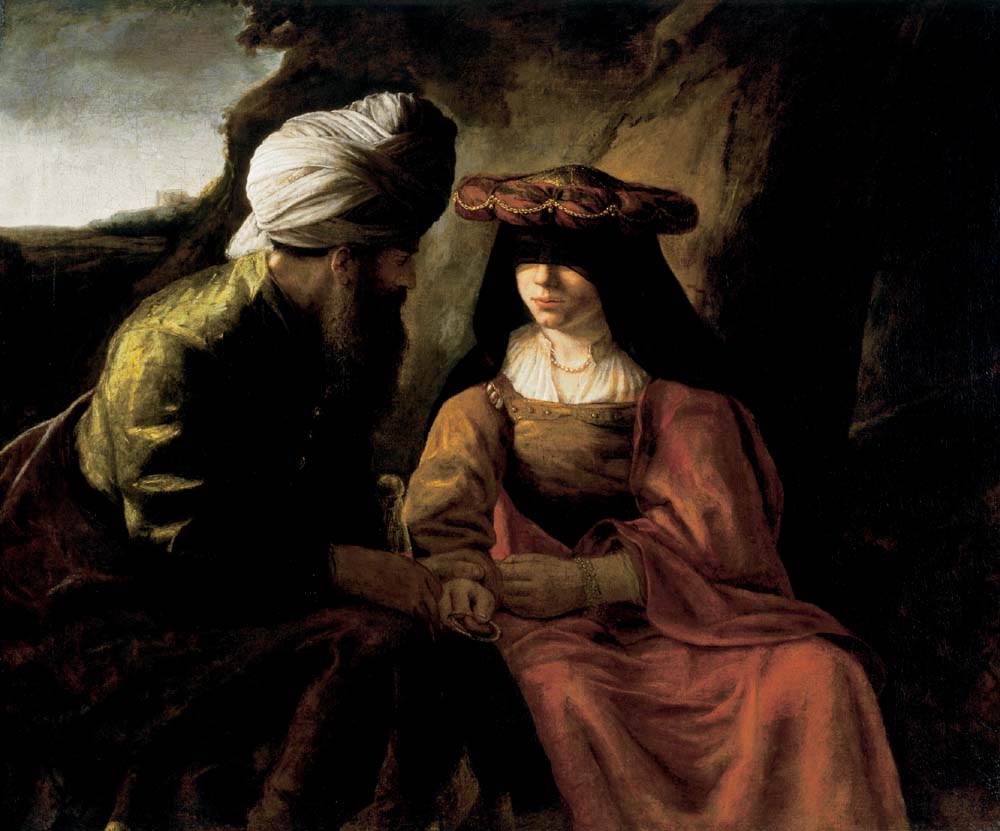 🇮🇱 Israel and 1 moreYibbumייבום
A Jewish rite where a brother marries his childless deceased brother's widow to continue the family line.Vow · Engagement and betrothal
🇮🇹 Sicily, ItalyFuitina
A Sicilian elopement custom used to force family consent for marriage through presumed sexual intercourse.Betrothal · The weeks before
🇮🇱 Israel and 1 moreYibbumייבום
A Jewish rite where a brother marries his childless deceased brother's widow to continue the family line.Vow · Engagement and betrothal
🇮🇹 Sicily, ItalyFuitina
A Sicilian elopement custom used to force family consent for marriage through presumed sexual intercourse.Betrothal · The weeks before