Music, dance and processionSouth AsiaHindu
Panche baja
In its own language: पञ्चे बाजा
A set of five traditional instruments played at Hindu weddings in Nepal.

The panche baja is a group of five wind and percussion instruments used in Nepal. It accompanies sacred rituals and marriage ceremonies. The ensemble is traditionally performed by the Damai and Gaine communities within the Hindu faith.
When is Panche baja kept?
Panche baja is kept during holy ceremonies and marriages.
The panche baja consists of five traditional Nepali instruments played during sacred events. This musical ensemble provides the rhythm for folk songs at Hindu weddings. It represents a living heritage kept alive by specific community musicians across Nepal.
What the instruments are
The name translates to five musical instruments. The group typically includes a shehnai, a long trumpet called karnal, a C-shaped horn named narsinga, large drums known as damaha or nagara, and smaller hand drums called dholaki or dholki. Players also use cymbals referred to as jhyali or jhurma, along with a kettle drum called tyamko. Different sources list slightly varying combinations, but the core sound relies on these brass and skin instruments working together.
Who plays the music
Performance is reserved for the Damai and Gaine castes. These groups maintain the tradition within the Hindu framework of Nepal. Musicians play specific rhythms that match local folk songs. The ensemble serves as an auditory backdrop for religious observances. Their role ensures the ceremony follows established cultural patterns passed down through generations.
When the music sounds
The instruments feature prominently during holy ceremonies. They are especially vital at marriage rites. The music marks key moments in the wedding procession and the main ceremony. It creates an atmosphere of sanctity and celebration. The rhythmic patterns guide the movement of participants and signal important transitions throughout the event.
How Panche baja is kept
Musicians from the Damai and Gaine castes gather to perform. They play the shehnai, karnal, narsinga, damaha, dholaki, jhyali, and tyamko. The players coordinate their efforts to match the beat of folk songs. This ensemble supports the flow of the wedding ritual. The sound fills the space around the couple and guests.
When and where
It occurs during Hindu weddings and other holy ceremonies. The music accompanies the procession and the central rite. It sets the pace for the event without a fixed calendar date.
The practice belongs to Nepal. It is maintained by specific caste communities within the country. The music is heard at venues where these traditions are observed.
What Panche baja means
The sound marks the occasion as sacred and joyful. It connects the present ceremony to ancestral customs. The specific instruments carry historical weight in Nepali culture. Their presence signals respect for religious norms and community identity.
Who takes part
- Damai musicians: Play the wind and percussion instruments
- Gaine musicians: Provide the rhythmic foundation for the ceremony
If you are a guest
Guests listen to the continuous music throughout the event. The sound accompanies their participation in the ritual. No specific gifts or actions are required from attendees.
Then and now
The tradition continues among the Damai and Gaine communities. It remains a standard part of Hindu weddings in Nepal. Modern adaptations are not mentioned in the sources.


Questions people ask about Panche baja
When is Panche baja kept?
Panche baja is kept during holy ceremonies and marriages.
What is the panche baja?
It is a set of five traditional Nepali instruments played at Hindu weddings and holy ceremonies. The name means five musical instruments in Nepali.
Who performs this music?
The Damai and Gaine castes traditionally play the ensemble. They follow the Hindu tradition of Nepal to keep the custom alive.
See also
 BaraatThe groom's wedding procession through the streets to the bride's home or venue.
 MandapaThe pillared pavilion that serves as the stage for Hindu wedding rituals and temple gatherings.
 YajnaA sacred fire ritual central to Hindu weddings and other rites of passage
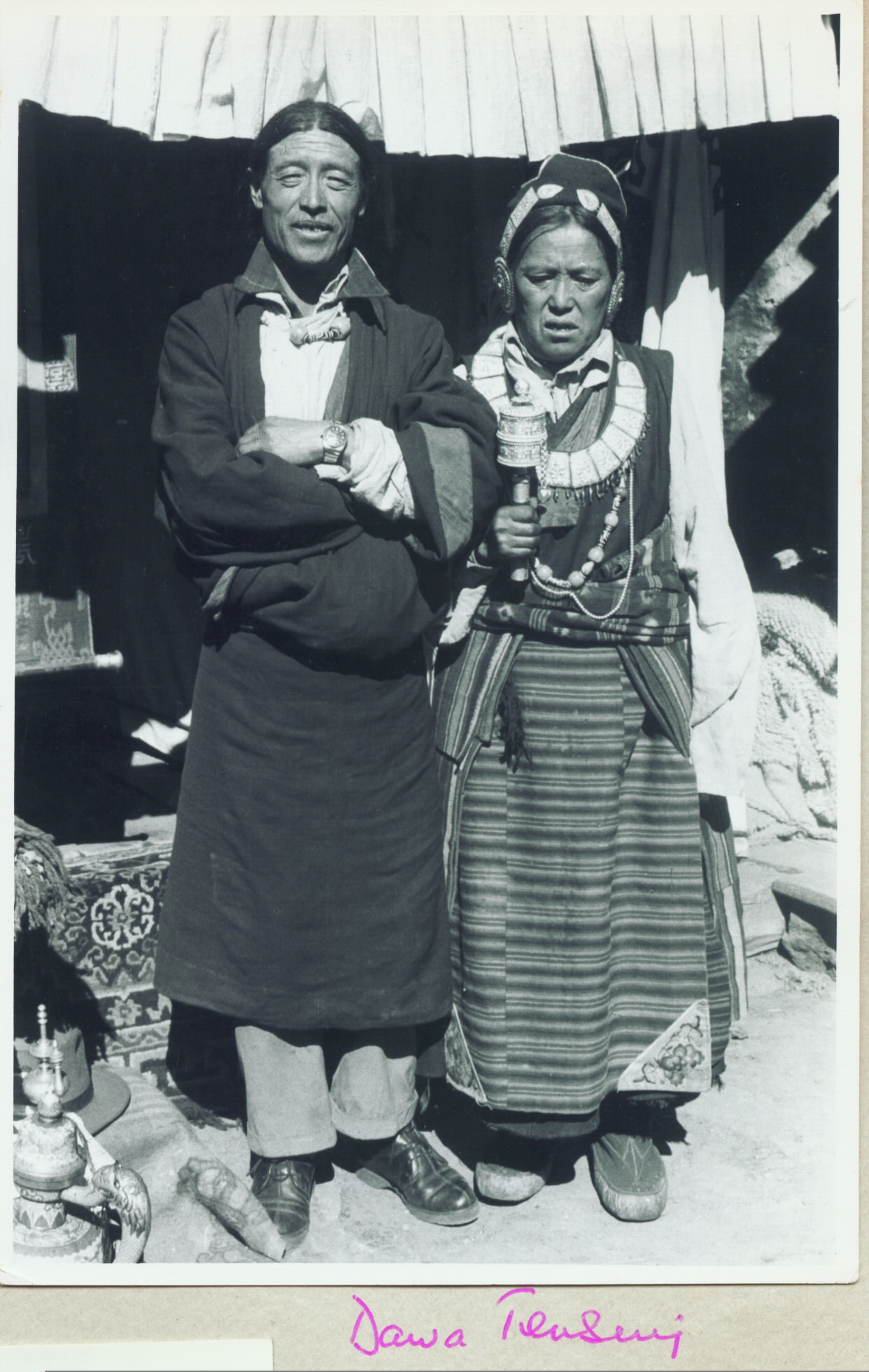 Sherpa marriageThe astrological matching and barley beer offering that binds a Sherpa couple.
Good reading and sources
The facts on this page come from the Wikipedia article "Panche baja", written by its contributors and used under the CC BY-SA 4.0 licence, and from its Wikidata record (CC0). EveryShaadi rewrote the text in its own words, with AI assistance, and compares every page with the article to make sure no passage is copied. It may be reused under the same CC BY-SA 4.0 licence with a link back.
It may contain mistakes. Wedding customs differ from one family, village and community to the next, and the people who keep them know them best. If something is wrong, tell us. Last refreshed 2026-10-06.
More from Nepal
All the traditions of Nepal
🇮🇳 Delhi, India and 1 moreBaraat
The groom's wedding procession through the streets to the bride's home or venue.Performance · Procession and arrival
🇮🇳 India and 2 moreMandapaमण्डप (maṇḍapa)
The pillared pavilion that serves as the stage for Hindu wedding rituals and temple gatherings.Setting · The ceremony
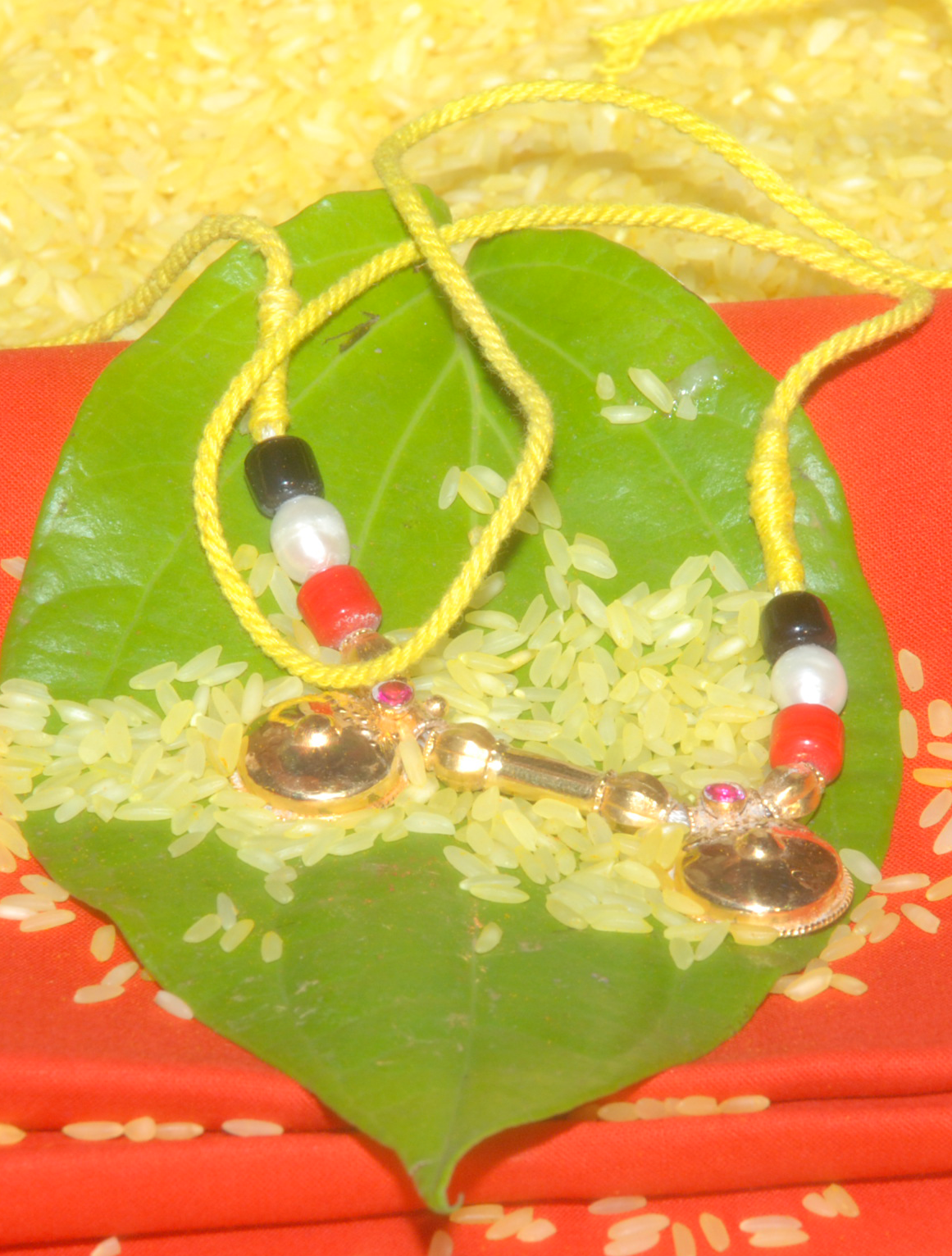 🇮🇳 India and 2 moreMangalsutraमङ्गलसूत्रम् (maṅgalasūtram)
The sacred necklace tied around the bride's neck to mark her marriage.Adornment · The ceremony
🇮🇳 India and 1 moreChuraचूरा (Hindi)
The red and white bangles that mark a bride's new status in Indian Hindu weddingsAttire · The weeks before
🇮🇳 India and 2 moreMangalsutraमङ्गलसूत्रम् (maṅgalasūtram)
The sacred necklace tied around the bride's neck to mark her marriage.Adornment · The ceremony
🇮🇳 India and 1 moreChuraचूरा (Hindi)
The red and white bangles that mark a bride's new status in Indian Hindu weddingsAttire · The weeks before
The same idea elsewhere
The wedding procession and the arrival compared 🇮🇷 Iran and 1 moreNoghlنقل (Persian) / نقل (Dari)
Sugar-coated almonds served at Iranian and Afghan weddings as a sweet treat and showered confetti.Feast custom · The wedding feast
🇮🇷 Iran and 1 moreNoghlنقل (Persian) / نقل (Dari)
Sugar-coated almonds served at Iranian and Afghan weddings as a sweet treat and showered confetti.Feast custom · The wedding feast
 🇲🇽 Oaxaca, Mexico and 1 moreHuipilhuīpīlli
The traditional tunic worn by indigenous women in Mexico and Central America for weddings and daily life.Attire · The weeks before
🇲🇽 Oaxaca, Mexico and 1 moreHuipilhuīpīlli
The traditional tunic worn by indigenous women in Mexico and Central America for weddings and daily life.Attire · The weeks before
 🇲🇰 Galičnik, North MacedoniaGaličnik Wedding FestivalГаличка свадба (Galička svadba)
A recreated traditional wedding in a North Macedonian village that turns a local rite into an annual festival.Feast custom · The ceremony
🇲🇰 Galičnik, North MacedoniaGaličnik Wedding FestivalГаличка свадба (Galička svadba)
A recreated traditional wedding in a North Macedonian village that turns a local rite into an annual festival.Feast custom · The ceremony
 🇪🇹 Addis Ababa, Ethiopia and 1 moreZuria
The ankle-length dress with woven hem bands worn by Tigrinya and Amhara women for weddings and holidays.Attire · The weeks before
🇪🇹 Addis Ababa, Ethiopia and 1 moreZuria
The ankle-length dress with woven hem bands worn by Tigrinya and Amhara women for weddings and holidays.Attire · The weeks before