Blessings, luck and omensEurope
Polterabend
The evening before the wedding when guests break porcelain to bring luck and test the couple's teamwork.

A German tradition held on the eve of the ceremony where friends smash crockery for good fortune. The custom spreads through word of mouth in Germany, Austria, Switzerland, Poland, and among diaspora communities in Brazil, Finland, and Sweden.
When is Polterabend kept?
Polterabend is kept on the Friday, Thursday, or Saturday evening before the wedding.
The Polterabend is a lively pre-wedding gathering rooted in German culture. Friends and family gather to throw ceramic items at the ground. This act symbolizes breaking bad luck and testing the couple's resilience. It serves as a final celebration of their single lives before the formal ceremony begins.
Meaning and origins
The name combines words for noise and evening. An old saying states that shards bring luck. Historically, this referred to whole clay pots rather than broken pieces. Some scholars suggest the ritual began with Germanic tribes driving away evil spirits. Others link it to heathen sacrifices where altars were shattered. A psychological view suggests it allows suitors to vent feelings socially.
How the event works
Guests bring porcelain, stoneware, or flowerpots to smash. They avoid glass because it represents happiness. Mirrors are also spared due to superstitions about bad luck. The couple must clean up the debris together. This task teaches them to face life's difficulties side by side. Relatives often provide food and drinks. The event relies on word of mouth rather than formal invitations.
Regional variations
The custom thrives in western Poland and rural Brazil. In Austria and Switzerland, separate bachelor parties are more common. Some regions hold a Paube days before the wedding. This quieter event involves a barbecue hosted by the bride's father. Hesse locals prepare green sauce using seven herbs for good fortune. The timing usually falls on the Friday night before the church service.
How Polterabend is kept
Friends gather outside the bride's home or her parents' house. They throw ceramics onto the ground while making loud noises. The couple cleans the mess together afterward. Guests eat and drink while celebrating. The event excludes formal invitations but welcomes anyone who hears about it.
When and where
It takes place on the evening before the wedding. Most often this is Friday, though Thursday or Saturday occurs. The date depends on local traditions and the ceremony schedule.
The custom is strongest in Germany and western Poland. It appears in Swiss and Austrian areas less frequently. Diaspora communities in Brazil, Finland, and Sweden maintain the practice.
What Polterabend means
Smashing pottery drives away evil spirits and brings good fortune. Cleaning the shards teaches the couple to share burdens. The noise celebrates their upcoming union. The act tests their ability to work together under pressure.
Who takes part
- The couple: They clean up the broken pieces together
- The guests: They bring and throw ceramic items
- The bride's father: He hosts the Paube barbecue
If you are a guest
Attendees bring any type of ceramic dish to smash. They should avoid bringing glass or mirrors. Guests eat and drink provided by the hosts. They spread news of the party verbally. No formal RSVP is required for attendance.
Then and now
Some couples combine the event with the reception. This creates a Polter-wedding format. The tradition remains popular in Germany. Other regions prefer separate bachelor parties instead.
On the wedding table
- Green sauce: Prepared in Hesse with seven herbs for luck
Symbols: The colour red The colour white Gold and jewellery Water and washing Salt Bread Sweets, sugar and honey Wine and the shared cup The wedding cake

Questions people ask about Polterabend
When is Polterabend kept?
Polterabend is kept on the Friday, Thursday, or Saturday evening before the wedding.
What is the Polterabend?
It is a German pre-wedding party held the night before the ceremony. Guests smash porcelain to bring luck to the marriage. The couple cleans the debris together to symbolize shared hardship.
Is it legal?
The custom is a cultural tradition without specific legal restrictions. It is not a contested practice involving harm or forced elements. Participants follow social norms regarding property and safety.
See also
 SvayamvaraThe ancient Hindu ceremony where a princess picks her husband from assembled suitors
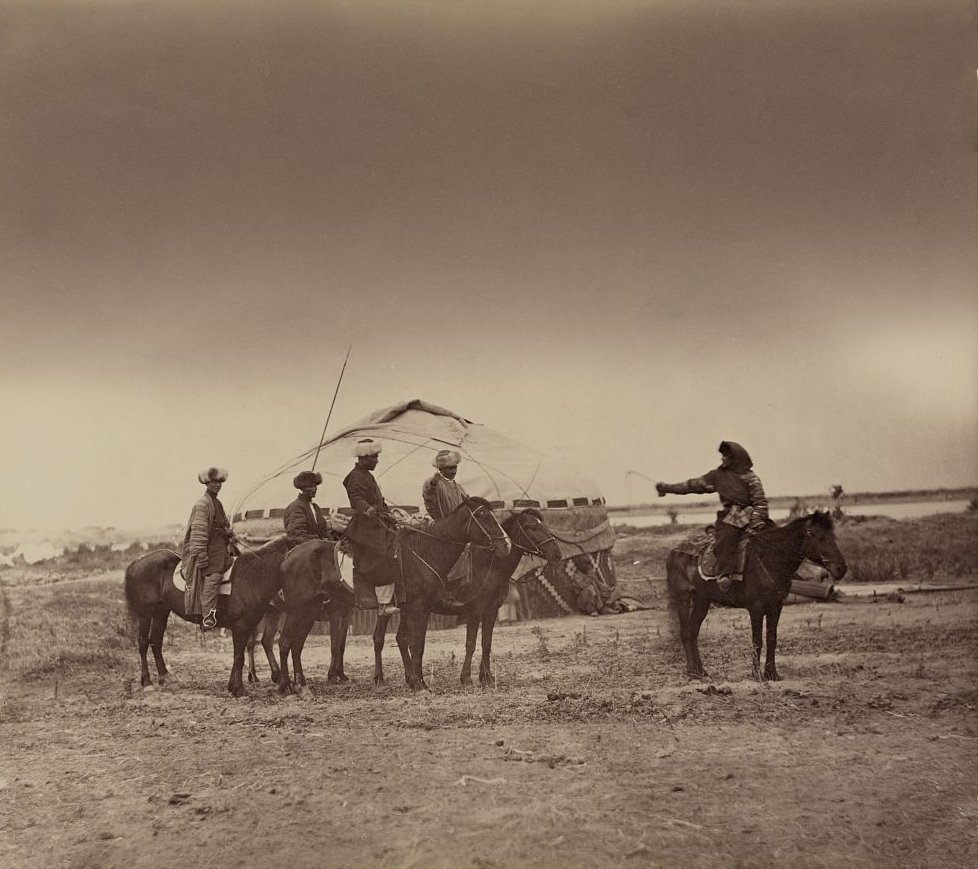 Ala kachuuA Kyrgyz custom of taking a woman for marriage, ranging from consensual elopement to forced abduction.
 JirtigA Sudanese inauguration ritual where the groom is symbolically crowned as a king.LeblouhThe forced fattening of girls to improve their marriage prospects, a harmful practice
Good reading and sources
- Polterabend on WikipediaEncyclopedia
- More photos on Wikimedia CommonsPhotos and video
- Wikidata recordOpen data
The facts on this page come from the Wikipedia article "Polterabend", written by its contributors and used under the CC BY-SA 4.0 licence, and from its Wikidata record (CC0). EveryShaadi rewrote the text in its own words, with AI assistance, and compares every page with the article to make sure no passage is copied. It may be reused under the same CC BY-SA 4.0 licence with a link back.
It may contain mistakes. Wedding customs differ from one family, village and community to the next, and the people who keep them know them best. If something is wrong, tell us. Last refreshed 2026-10-05.
More from Germany
All the traditions of Germany 🇵🇱 Poland and 5 moreTuroń
A horned effigy that visits homes during Carnival to wish for fertility and collect gifts.Blessing · The weeks before
🇵🇱 Poland and 5 moreTuroń
A horned effigy that visits homes during Carnival to wish for fertility and collect gifts.Blessing · The weeks before
 🇬🇧 United Kingdom and 1 moreGimmal ring
A betrothal ring with separate hoops that join to form the wedding band.Adornment · Engagement and betrothal
🇬🇧 United Kingdom and 1 moreGimmal ring
A betrothal ring with separate hoops that join to form the wedding band.Adornment · Engagement and betrothal
 🇩🇪 Hamburg, Germany and 3 moreWimpelווימפל
A linen sash made from a baby boy's circumcision cloth that binds the Torah scroll.Adornment · The weeks before
🇩🇪 Hamburg, Germany and 3 moreWimpelווימפל
A linen sash made from a baby boy's circumcision cloth that binds the Torah scroll.Adornment · The weeks before
 🇨🇺 Havana, Cuba and 5 moreConga line
A long processing line dance that links dancers in single file to a rhythmic drum beat.Performance · Reception, dance and gifts
🇨🇺 Havana, Cuba and 5 moreConga line
A long processing line dance that links dancers in single file to a rhythmic drum beat.Performance · Reception, dance and gifts
The same idea elsewhere
Luck, omens and protection on the day compared 🇲🇲 MyanmarMarriage in Myanmar
A blend of Buddhist rites, astrological timing, and family negotiations that defines union across Myanmar's diverse ethnRite · Finding a match
🇲🇲 MyanmarMarriage in Myanmar
A blend of Buddhist rites, astrological timing, and family negotiations that defines union across Myanmar's diverse ethnRite · Finding a match
 🇪🇬 Egypt and 4 moreWaist beads
Strands of glass or seed worn around the hips to mark womanhood and track body changes in West and North Africa.Adornment · Engagement and betrothal
🇪🇬 Egypt and 4 moreWaist beads
Strands of glass or seed worn around the hips to mark womanhood and track body changes in West and North Africa.Adornment · Engagement and betrothal
 🇸🇿 Ludzidzini Royal Village, Eswatini and 1 moreUmhlanga
The annual Swazi and Zulu gathering where young women cut reeds to preserve chastity and offer tribute labour.Rite · The eve
🇸🇿 Ludzidzini Royal Village, Eswatini and 1 moreUmhlanga
The annual Swazi and Zulu gathering where young women cut reeds to preserve chastity and offer tribute labour.Rite · The eve
 🇮🇳 India and 1 moreMayian
The turmeric paste ceremony held the day before Punjabi weddings in India and Pakistan.Rite · The weeks before
🇮🇳 India and 1 moreMayian
The turmeric paste ceremony held the day before Punjabi weddings in India and Pakistan.Rite · The weeks before