Vows, contracts and registrationSouth Asia
Polyandry in India
A practice where a woman has multiple husbands at the same time, found in specific Indian communities.
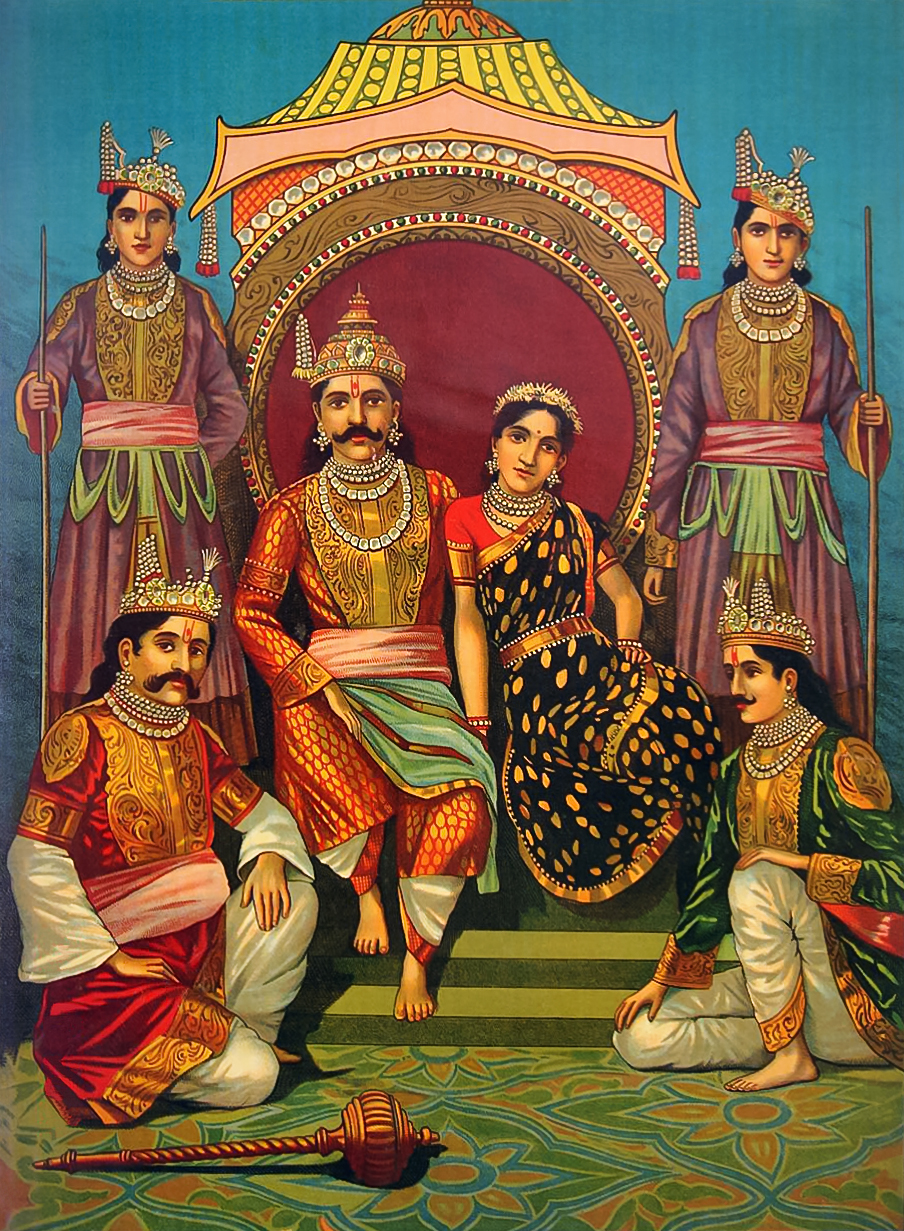
Polyandry is a marital system in which a woman takes two or more husbands simultaneously. It has historical roots in the Indian subcontinent and persists in limited forms among certain tribal and agrarian groups today. The practice is often linked to land preservation and economic survival.
When is Polyandry in India kept?
Polyandry in India is kept on varies by community and region.
Polyandry in India describes a marriage structure where one woman is married to multiple men concurrently. While largely illegal under national law, it survives in isolated pockets. Communities such as the Kinnauris and Toda people have maintained these unions for centuries. The practice often serves to keep family land intact or manage scarce resources in harsh environments.
Historical roots
The custom appears in ancient texts like the Mahabharata, where Draupadi marries five brothers. Many groups claim descent from these epic figures. In Kinnaur, residents link their traditions to the Pandavas' exile. Similarly, the Jaunsari people trace their polyandrous habits to these legendary ancestors. These stories provide a cultural framework that validates the practice within local identities.
Regional practices
In Himachal Pradesh, fraternal polyandry keeps wealth within families. Brothers share a wife to prevent land division. In Uttarakhand's Jaunsar-Bawar region, a woman marries the eldest brother and becomes the wife of all his siblings. Among the Toda tribe in Tamil Nadu, a ceremonial bow and arrow ritual identifies paternity. Tibetan refugees in India also maintain this tradition to conserve housing resources.
Economic drivers
Agrarian societies in Punjab and Haryana see rising cases due to financial pressure. Small landholdings are fragmented among heirs, threatening livelihoods. Polyandry acts as a shield against this division. Poor farmers adopt the system to survive economically. This practical approach contrasts with older tribal customs, showing how material conditions shape marital structures in modern times.
Legal status
Polygamy and polyandry are illegal across India for most religions. The Hindu Marriage Act of 1955 banned polygamous unions for Hindus. Earlier laws protected Christians from multiple marriages. Despite these statutes, remote villages continue the practice quietly. Enforcement is difficult in isolated areas. The tension between statutory law and local custom remains unresolved.
How Polyandry in India is kept
A woman marries the eldest son of a family. She automatically becomes the wife of his brothers. In some tribes, a bow and arrow ceremony marks paternity. All men in the group share equal rights to the wife. Children recognize all brothers as fathers. The arrangement prevents property fragmentation. Strict rules govern the union. Breaking the agreement can lead to social outcasting and loss of inheritance rights.
When and where
It occurs during the initial marriage phase. The timing depends on local calendars and family decisions. There is no single national date. Some communities observe it seasonally or when land inheritance issues arise.
It is strongest in Kinnaur, Himachal Pradesh. It also exists in Jaunsar-Bawar, Uttarakhand. The Toda people practice it in the Nilgiris. Scattered cases appear in Kerala and Punjab. Remote mountainous regions preserve the custom most effectively.
What Polyandry in India means
The practice symbolizes unity and resource conservation. It keeps family wealth intact across generations. The bow and arrow represent paternal responsibility. Sharing a wife ensures collective care for children. It reflects a communal approach to survival in harsh environments.
Who takes part
- The bride: Marries the eldest brother and shares life with his siblings
- The brothers: Share marital rights and responsibilities equally
- The father: Performs rituals to identify biological paternity
- The community elders: Enforce strict rules against breaking the marriage agreement
Then and now
The practice is declining due to legal bans and urbanization. Joint families are fragmenting into nuclear units. Economic changes reduce the need for land consolidation. Younger generations often reject traditional arrangements. However, it persists in isolated rural areas where enforcement is weak.

Questions people ask about Polyandry in India
When is Polyandry in India kept?
Polyandry in India is kept on varies by community and region.
Is polyandry legal in India?
No, polyandry is illegal in India. The Hindu Marriage Act of 1955 prohibits multiple marriages for Hindus. Similar laws apply to other major religious groups. The practice exists only in isolated communities despite being unlawful.
Who practices polyandry in India?
It is practiced by specific groups like the Kinnauris, Jaunsaris, and Toda tribe. Some agrarian families in Punjab and Haryana also engage in it. Tibetan refugees in India maintain the tradition for economic reasons.
Why do people practice polyandry?
The main reason is to prevent land division. Sharing one wife among brothers keeps family property intact. It is an economic strategy in regions with scarce resources or small farm holdings.
How is paternity determined?
In some tribes like the Toda, a bow and arrow ceremony identifies the father. Otherwise, the mother determines the blood relationship. DNA testing is occasionally used now to resolve inheritance disputes.
See also
 Proxy marriageA union where one or both partners are absent and represented by another person.Nikah mut'ahA private contract for a fixed-term marriage practiced in Twelver Shia Islam.
 Cousin marriageA union between people who share a grandparent or recent ancestor, practiced in many regions and communities.
Good reading and sources
The facts on this page come from the Wikipedia article "Polyandry in India", written by its contributors and used under the CC BY-SA 4.0 licence, and from its Wikidata record (CC0). EveryShaadi rewrote the text in its own words, with AI assistance, and compares every page with the article to make sure no passage is copied. It may be reused under the same CC BY-SA 4.0 licence with a link back.
It may contain mistakes. Wedding customs differ from one family, village and community to the next, and the people who keep them know them best. If something is wrong, tell us. Last refreshed 2026-10-07.
More from India
All the traditions of India
🇫🇷 France and 5 moreProxy marriage
A union where one or both partners are absent and represented by another person.Vow · The ceremony
 🇺🇸 United States and 5 moreInterfaith marriage
A union between spouses of different faiths, navigating legal and religious boundaries across the world.Vow · Engagement and betrothal
🇺🇸 United States and 5 moreInterfaith marriage
A union between spouses of different faiths, navigating legal and religious boundaries across the world.Vow · Engagement and betrothal
The same idea elsewhere
Interfaith, inter-community and same-sex weddings compared 🇪🇬 Egypt and 4 moreWaist beads
Strands of glass or seed worn around the hips to mark womanhood and track body changes in West and North Africa.Adornment · Engagement and betrothal
🇮🇱 Israel and 5 moreLevirate marriage
A custom where a man marries his deceased brother's widow to protect her and keep the family line intact.Betrothal · After the wedding
🇪🇬 Egypt and 4 moreWaist beads
Strands of glass or seed worn around the hips to mark womanhood and track body changes in West and North Africa.Adornment · Engagement and betrothal
🇮🇱 Israel and 5 moreLevirate marriage
A custom where a man marries his deceased brother's widow to protect her and keep the family line intact.Betrothal · After the wedding
 🇰🇪 Kenya and 1 moreAyie
The Luo bride price ceremony where the mother accepts payment and agrees to the marriage.Gift custom · Engagement and betrothal
🇬🇳 GuineaPolygamy in Guinea
A polygynous marriage structure regulated by Guinean family law since 2019.Gift custom · Engagement and betrothal
🇰🇪 Kenya and 1 moreAyie
The Luo bride price ceremony where the mother accepts payment and agrees to the marriage.Gift custom · Engagement and betrothal
🇬🇳 GuineaPolygamy in Guinea
A polygynous marriage structure regulated by Guinean family law since 2019.Gift custom · Engagement and betrothal