Wedding dress and clothingSub-Saharan Africa
Gomesi
The floor-length traditional dress worn by women in Buganda and Busoga for weddings and formal events.

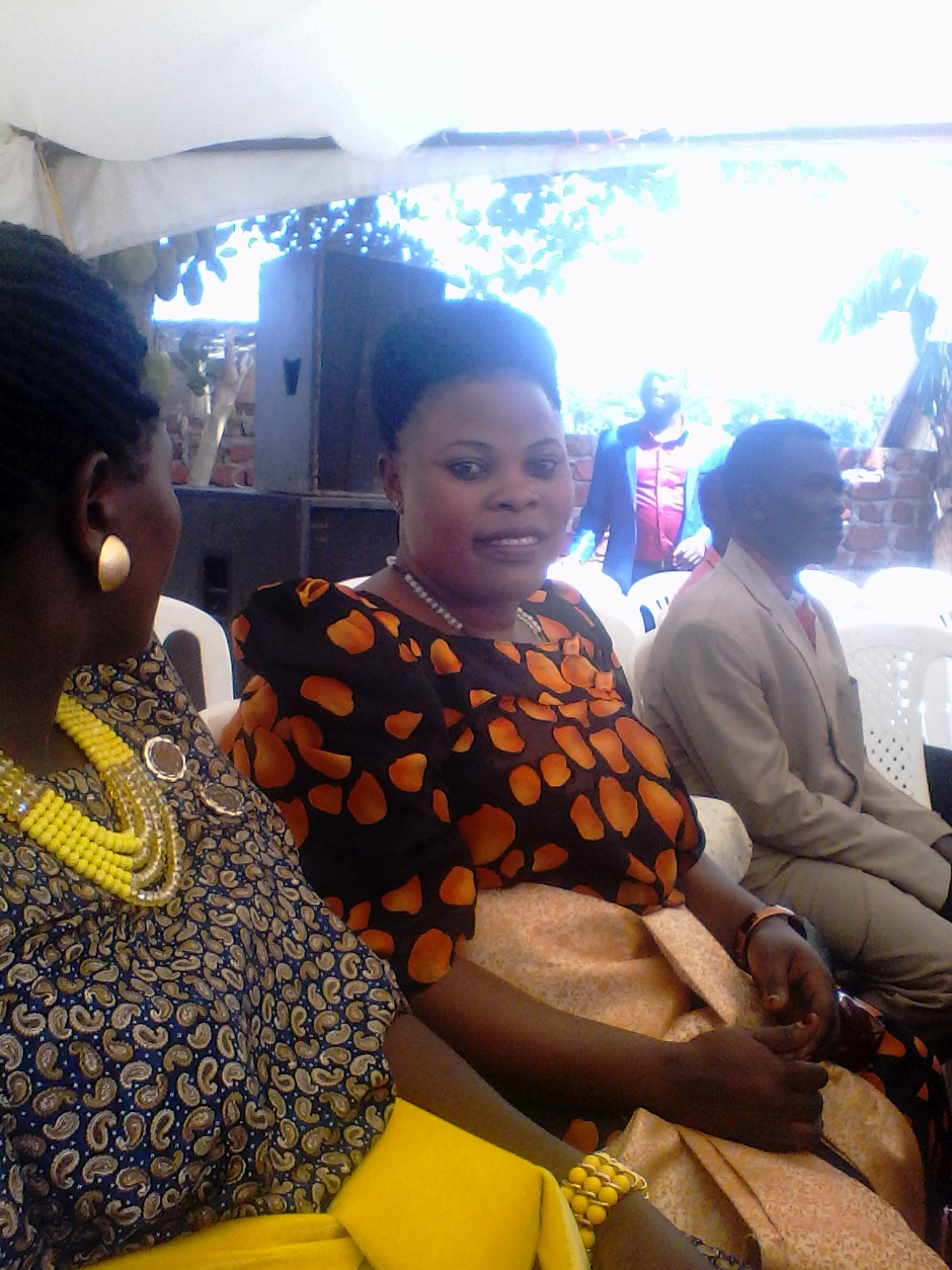
The gomesi is a colorful, floor-length dress that serves as the traditional attire for Baganda and Basoga women. It is a central part of the Kwanjula wedding ceremony, where female relatives of the groom wear it to show respect and cultural pride. The garment has evolved from bark cloth to modern fabrics since its introduction in the early twentieth century.
When is Gomesi kept?
Gomesi is kept during the Kwanjula introduction ceremony and other formal occasions.
The gomesi is a vibrant, floor-length dress that defines the formal wear of women in the Buganda and Busoga regions of Uganda. Worn during the Kwanjula wedding introduction, it signals cultural identity and family unity. The garment blends historical roots with contemporary fashion, serving as both daily wear and ceremonial attire for significant life events.
Origins and history
Scholars trace the gomesi to 1905, when Goan designer Caetano Gomes introduced the style to Uganda. While earlier forms like the Lubugo existed, this specific design gained prominence when Queen Amahinda wore it at her husband Kabaka Daudi Cwa II's coronation in 1914. The dress has undergone four major design shifts since the 1960s, moving from bark cloth to cotton, then Khadi, and finally the modern kikooyi fabric. This evolution reflects changing materials and decorative preferences while maintaining the core silhouette.
Design and construction
The dress features a square neckline, short puffed sleeves, and two buttons on the left side. It is typically made from silk, cotton, satin, polyester, or linen, with silk being the most luxurious option. A sash called the Kitambaala is tied below the waist to define the shape and hold the outfit together. Underneath, a kikooyi or kanga layer prevents sticking and adds comfort. A single gown can require up to six meters of fabric, often featuring bright colors and shoulder pads for structure.
Role in weddings
During the Kwanjula, the traditional introduction ceremony, the gomesi plays a mandatory role for the groom's female relatives. All women in the groom's family must wear the dress to honor the occasion and display cultural respect. Beyond weddings, the attire is worn at church functions, betrothals, and national formal events. In rural areas, it remains common daily wear, while urban residents reserve it for special gatherings and funerals.
How Gomesi is kept
Female members of the groom's family wear the gomesi during the Kwanjula introduction ceremony. The dress is chosen for its color and fabric quality, often silk or cotton, and is accessorized with the Kitambaala sash. Women gather in these traditional outfits to present themselves to the bride's family, demonstrating adherence to cultural norms and showing respect for the union. The attire is also worn by women at other formal community events and religious services.
When and where
It is worn during the Kwanjula wedding introduction ceremony. The dress is also used for church functions, betrothals, and national formal events throughout the year.
The custom is strongest in the Buganda and Busoga regions of Uganda. It is worn in both rural areas as daily attire and in cities for special occasions.
What Gomesi means
The gomesi represents cultural pride and familial duty. Wearing it during the Kwanjula signifies the groom's family's respect for tradition and their commitment to the marriage process. The bright colors and structured design reflect dignity and feminine identity within the Baganda and Basoga communities.
Who takes part
- Groom's female relatives: Wear the gomesi during the Kwanjula introduction ceremony to show respect and cultural unity.
- Queen Amahinda: Historically popularized the dress by wearing it at the Kabaka's coronation in 1914.
- Caetano Gomes: Introduced the original design to Uganda in 1905.
If you are a guest
Guests who are female members of the groom's family must wear the gomesi. Other guests may wear formal attire, but the gomesi is the expected dress for key female participants in the Kwanjula ceremony.
Then and now
The gomesi continues to evolve with modern fabrics like kikooyi and polyester. While it remains essential for formal events, casual versions using lighter fabrics are worn in rural areas. Urban usage is reserved for special occasions, reflecting a shift toward more selective ceremonial wear.
On the wedding table
Symbols: The colour red Gold and jewellery
Questions people ask about Gomesi
When is Gomesi kept?
Gomesi is kept during the Kwanjula introduction ceremony and other formal occasions.
What is the gomesi?
The gomesi is a colorful, floor-length traditional dress worn by women in Buganda and Busoga, Uganda. It features a square neckline, puffed sleeves, and a waist sash called the Kitambaala.
Who invented the gomesi?
The design was introduced in 1905 by Goan designer Caetano Gomes. It gained widespread use after Queen Amahinda wore it at the Kabaka's coronation in 1914.
See also
 Sister exchangeA marriage arrangement where two brothers each take a sister from the other family as their wife.LeblouhThe forced fattening of girls to improve their marriage prospects, a harmful practice
 GroomsmanA male attendant who supports the groom and assists guests at a wedding.MadisarThe nine-yard sari drape worn by Tamil Brahmin women during weddings and religious rites.
Good reading and sources
- Gomesi on WikipediaEncyclopedia
- More photos on Wikimedia CommonsPhotos and video
- Wikidata recordOpen data
The facts on this page come from the Wikipedia article "Gomesi", written by its contributors and used under the CC BY-SA 4.0 licence, and from its Wikidata record (CC0). EveryShaadi rewrote the text in its own words, with AI assistance, and compares every page with the article to make sure no passage is copied. It may be reused under the same CC BY-SA 4.0 licence with a link back.
It may contain mistakes. Wedding customs differ from one family, village and community to the next, and the people who keep them know them best. If something is wrong, tell us. Last refreshed 2026-10-05.
More from Uganda
All the traditions of Uganda
🇬🇧 United Kingdom and 5 moreGroomsman
A male attendant who supports the groom and assists guests at a wedding.Family role · Finding a match
🇵🇬 Papua New Guinea and 5 moreSister exchange
A marriage arrangement where two brothers each take a sister from the other family as their wife.Betrothal · Finding a match
🇵🇬 Papua New Guinea and 5 moreSister exchange
A marriage arrangement where two brothers each marry a sister from the other family.Betrothal · Finding a match
The same idea elsewhere
The wedding dress and what the couple wear compared 🇲🇾 Malaysia and 4 moreBaju Kurungباجو كوروڠ
The traditional blouse and skirt worn by Malay women for weddings and religious ceremoniesAttire · The weeks before
🇲🇾 Malaysia and 4 moreBaju Kurungباجو كوروڠ
The traditional blouse and skirt worn by Malay women for weddings and religious ceremoniesAttire · The weeks before
 🇮🇩 Palembang, Indonesia and 2 moreSongketᬲᭀᬂᬓᬾᬢ᭄
A hand-woven brocade cloth patterned with gold or silver threads for traditional weddings in Southeast Asia.Attire · Engagement and betrothal
🇮🇳 IndiaMadisarமடிசார் (Madisar)
The nine-yard sari drape worn by Tamil Brahmin women during weddings and religious rites.Attire · The ceremony
🇺🇦 UkraineSong about the RushnykПісня про рушник (Pisnia pro rushnyk)
A Ukrainian song that celebrates the embroidered cloth used in weddings and family life.Performance · The ceremony
🇮🇩 Palembang, Indonesia and 2 moreSongketᬲᭀᬂᬓᬾᬢ᭄
A hand-woven brocade cloth patterned with gold or silver threads for traditional weddings in Southeast Asia.Attire · Engagement and betrothal
🇮🇳 IndiaMadisarமடிசார் (Madisar)
The nine-yard sari drape worn by Tamil Brahmin women during weddings and religious rites.Attire · The ceremony
🇺🇦 UkraineSong about the RushnykПісня про рушник (Pisnia pro rushnyk)
A Ukrainian song that celebrates the embroidered cloth used in weddings and family life.Performance · The ceremony