Music, dance and processionMiddle EastJewish
Hava Nagila
In its own language: הָבָה נָגִילָה
A Jewish folk song sung and danced at weddings and celebrations to mark joyous occasions
Hava Nagila is a traditional Jewish folk song performed at weddings, bar mitzvahs, and holidays. Composed in 1918, it spread through the diaspora as a symbol of communal joy. The melody derives from a Hassidic nigun, with lyrics added to create a modern Hebrew anthem.
When is Hava Nagila kept?
Hava Nagila is kept at weddings and other celebrations.
Hava Nagila is a beloved Jewish folk song that marks joyous occasions like weddings and holidays. Its upbeat rhythm invites guests to dance and celebrate together. The track originated in 1918 and quickly became a staple of Jewish cultural expression worldwide.
Origins and history
The melody comes from a Hassidic nigun linked to the Sadigurer Chasidim in Ukraine. In 1918, Abraham Zevi Idelsohn assigned his student Moshe Nathanson to add rhythm and words to this chant. They created a modern Hebrew song to celebrate the Balfour Declaration. Competing claims exist regarding the composer, with both Idelsohn and Nathanson suggested as authors. The first performance occurred in a mixed choir concert in Jerusalem.
Performance and dance
Guests gather in a circle for the Hora, a traditional dance performed to the song's lively beat. Participants hold hands or link pinkies while stepping in unison. The music encourages communal participation, making it a central feature of wedding receptions. Many artists have recorded versions, including Harry Belafonte and Ran & Nama, helping the song spread globally among Jewish communities.
Cultural impact
The song has become an anthem for various groups beyond religious contexts. Football supporters in England and the Netherlands often sing it at matches. It also appears in sports, such as Aly Raisman’s Olympic floor exercise routine. Its widespread adoption highlights its role as a universal symbol of Jewish joy and resilience across different cultures and generations.
How Hava Nagila is kept
Guests form a circle for the Hora dance while musicians play the upbeat melody. Participants hold hands or link fingers, stepping rhythmically to the beat. The song is typically performed during the reception phase of the wedding. Various artists have recorded adaptations, ensuring the tune remains familiar to diverse audiences. The collective dancing fosters a sense of unity and shared celebration among attendees.
When and where
It is played during the reception stage of Jewish weddings and other festive gatherings. The song was originally composed in 1918 but is kept alive through continuous performance at contemporary events. Its timing aligns with moments of high energy and communal joy.
The custom is strongest within Jewish communities worldwide, particularly in Israel and among diaspora populations. It originated in Jerusalem and gained prominence through recordings by Israeli and international artists. The song transcends geographic boundaries, appearing in venues ranging from synagogues to sports stadiums.
What Hava Nagila means
The song symbolizes communal joy and resilience. Its origins in a Hassidic nigun connect it to spiritual traditions, while its modern lyrics celebrate historical milestones. Dancing to the tune reinforces social bonds and shared identity among Jews. The collective nature of the Hora dance emphasizes unity and mutual support during significant life events.
Who takes part
- Musicians: Play the melody on instruments like violins or accordions
- Dancers: Form a circle and perform the Hora step in unison
- Singers: Lead the group in singing the Hebrew lyrics
If you are a guest
Guests join the circle dance, holding hands or linking pinkies. They follow the rhythm set by the musicians, stepping together in a coordinated manner. Participation is encouraged for all attendees, fostering a sense of inclusion. Guests may also clap along or sing if they know the lyrics, adding to the festive atmosphere.
Then and now
The song continues to be a staple at Jewish weddings and celebrations. Modern adaptations include remixes and covers by various artists, keeping it relevant for younger generations. Its use extends beyond religious settings, appearing in sports and popular culture, reflecting its enduring appeal as a symbol of joy.
Questions people ask about Hava Nagila
When is Hava Nagila kept?
Hava Nagila is kept at weddings and other celebrations.
What is Hava Nagila?
It is a Jewish folk song composed in 1918, traditionally sung at weddings, bar mitzvahs, and holidays. The melody derives from a Hassidic nigun, with lyrics added to create a modern Hebrew anthem celebrating joy and community.
Who wrote the song?
There are competing claims. Abraham Zevi Idelsohn and his student Moshe Nathanson are both suggested as composers. Idelsohn assigned Nathanson to add rhythm and words to a traditional Hassidic chant, resulting in the final version.
See also
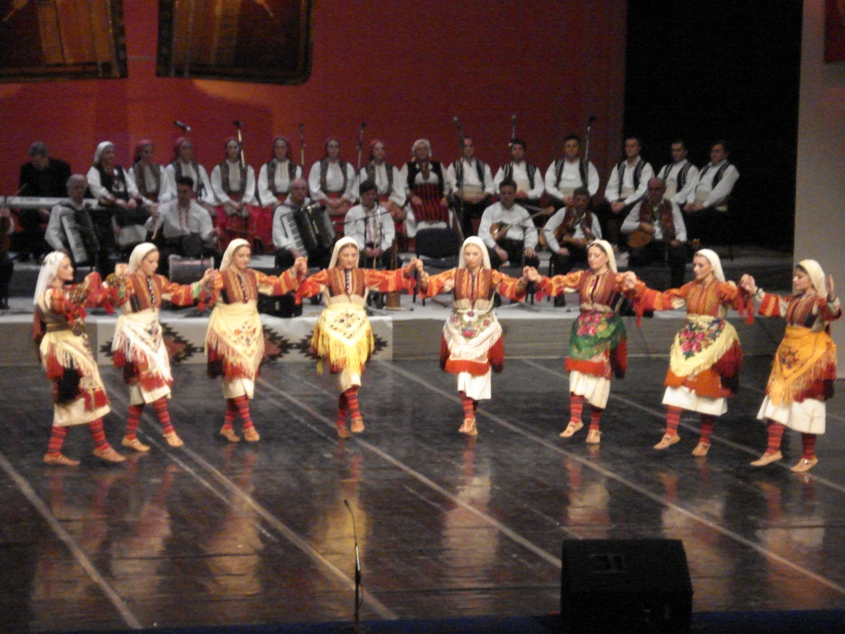 HoraA circle dance held at weddings across Southeast Europe and among Jewish communities worldwide.
 Mnohaya litaA Ukrainian song sung at weddings to wish the couple many years of life.
 KolomyikaA fast Ukrainian folk dance with rhymed verses, celebrated at weddings in western Ukraine and Canada.
Good reading and sources
- Hava Nagila on WikipediaEncyclopedia
- More photos on Wikimedia CommonsPhotos and video
- Wikidata recordOpen data
The facts on this page come from the Wikipedia article "Hava Nagila", written by its contributors and used under the CC BY-SA 4.0 licence, and from its Wikidata record (CC0). EveryShaadi rewrote the text in its own words, with AI assistance, and compares every page with the article to make sure no passage is copied. It may be reused under the same CC BY-SA 4.0 licence with a link back.
It may contain mistakes. Wedding customs differ from one family, village and community to the next, and the people who keep them know them best. If something is wrong, tell us. Last refreshed 2026-10-05.
More from Israel
All the traditions of Israel
🇷🇴 Romania and 7 moreHorahora (Romanian), horo (Bulgarian), oro (Macedonian), horah (Hebrew)
A circle dance held at weddings across Southeast Europe and among Jewish communities worldwide.Performance · Reception, dance and gifts
🇮🇱 Jerusalem, IsraelTu B'Avט״ו באב
A minor Jewish holiday in Israel that serves as a popular day for weddings and matchmaking.Betrothal · The weeks before
 🇩🇪 Hamburg, Germany and 3 moreWimpelווימפל
A linen sash made from a baby boy's circumcision cloth that binds the Torah scroll.Adornment · The weeks before
🇮🇱 IsraelSeudat nissuinSeudat nissuin (סעודת נישואין)
The Jewish wedding meal blessed with wine and bread, followed by seven days of celebration.Feast custom · The ceremony
🇩🇪 Hamburg, Germany and 3 moreWimpelווימפל
A linen sash made from a baby boy's circumcision cloth that binds the Torah scroll.Adornment · The weeks before
🇮🇱 IsraelSeudat nissuinSeudat nissuin (סעודת נישואין)
The Jewish wedding meal blessed with wine and bread, followed by seven days of celebration.Feast custom · The ceremony
The same idea elsewhere
Wedding music and the dance floor compared 🇪🇬 Cairo, EgyptTahtibتحطيب (taḥṭīb)
A traditional Egyptian stick-fighting martial art that evolved into a folk dance performed at weddings and celebrations.Performance · The weeks before
🇪🇬 Cairo, EgyptTahtibتحطيب (taḥṭīb)
A traditional Egyptian stick-fighting martial art that evolved into a folk dance performed at weddings and celebrations.Performance · The weeks before
 🇰🇭 Cambodia and 4 moreRomvongរាំវង់ (Khmer)
A circular folk dance across Southeast Asia where couples hold hands and step in time with drums.Performance · Reception, dance and gifts
🇰🇭 Cambodia and 4 moreRomvongរាំវង់ (Khmer)
A circular folk dance across Southeast Asia where couples hold hands and step in time with drums.Performance · Reception, dance and gifts
 🇳🇪 In-Gall, Niger and 2 moreGuérewol
A week-long courtship dance where Wodaabe men display their beauty to win the attention of marriageable women.Rite · The weeks before
🇳🇪 In-Gall, Niger and 2 moreGuérewol
A week-long courtship dance where Wodaabe men display their beauty to win the attention of marriageable women.Rite · The weeks before