Music, dance and processionEuropeJewish
Klezmer
In its own language: קלעזמער
The instrumental wedding music of Ashkenazi Jews, blending Eastern European and Jewish ritual melodies.

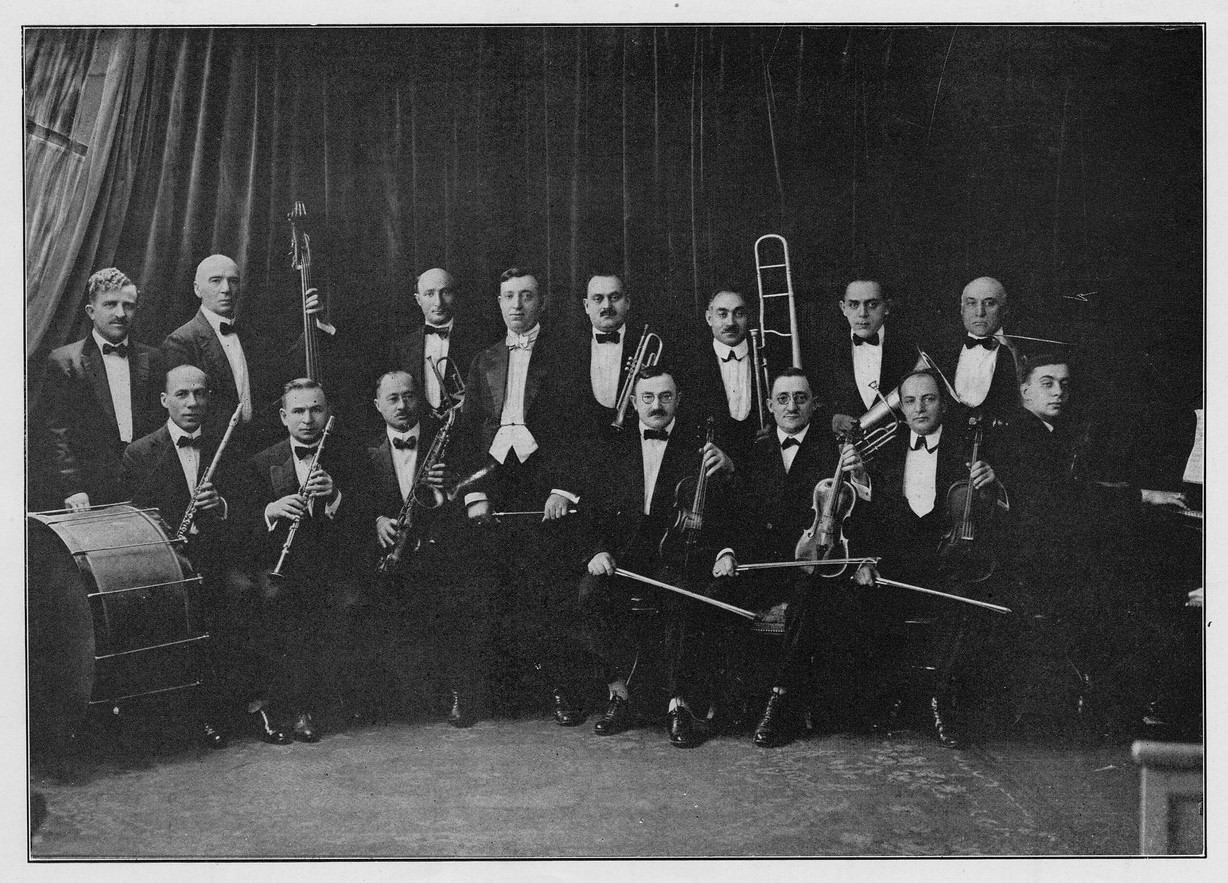
Klezmer is an instrumental musical tradition played by Ashkenazi Jews in Central and Eastern Europe. It features dance tunes and ritual melodies that accompanied weddings and social gatherings for centuries.
When is Klezmer kept?
Klezmer is kept during wedding ceremonies and social gatherings.
Klezmer provides the soundtrack for Ashkenazi Jewish weddings across Eastern Europe and beyond. Musicians play instrumental dance tunes and ritual melodies to mark key moments of the celebration. The tradition blends Jewish prayer styles with local European folk music, creating a distinct sound for joyous occasions.
Origins and history
The term klezmer comes from Yiddish words meaning musical instruments. It originally described the musicians themselves rather than the music genre. Professional guilds formed in Poland and Bohemia during the sixteenth century. The style absorbed elements from Ottoman, Baroque, and Slavic folk traditions. When musicians moved to the United States in the early twentieth century, they adopted big band and popular music influences. After the Holocaust, the tradition declined but saw a revival in the late seventies. Modern artists now blend these roots with jazz and punk styles.
Wedding repertoire
Musicians performed specific pieces for different parts of the wedding day. Processional melodies led guests between venues or through neighborhoods. Listening tunes played at tables included spiritual Hasidic niguns and slower waltzes. Dance music ranged from simple circle dances to complex contra dances. Ritual dances like the kosher-tants involved the bride and groom dancing separately with handkerchiefs. These melodies maintained religious themes of purity and commitment throughout the festivities.
Musical style
Klezmer mimics the human voice through vocal-like ornaments such as groans and sighs. Musicians use trills, glissandos, and bent notes to express emotion. Unlike classical music, vibrato is used sparingly as a decorative element. Performers learned through apprenticeship rather than conservatory training. Each musician developed their own interpretation of correct performance based on taste and restraint. The accompaniment varied from simple octaves to elaborate brass arrangements depending on the ensemble size.
Dance forms
Various dances accompanied the music, reflecting diverse cultural origins. The freylekhs was a widespread circle dance in two-four time. The bulgar featured a syncopated rhythm popular in America. The hora entered the repertoire from Romanian and Moldavian traditions. Other dances included the sher, a four-couple contra dance, and the khosidl, a dignified embellished step. Fast Ukrainian dances like the kozak and Romanian sirba added energetic variety to the celebrations.
How Klezmer is kept
Professional musicians play instruments like accordions and cimbaloms alongside standard orchestral tools. They lead processions, provide background listening during meals, and energize dance floors. The badchen sings to the bride while accompanying her with freeform melodies. Couples and guests participate in circle and line dances following the rhythmic cues of the band.
When and where
The music accompanies various stages of the wedding, from the procession to the feast. Specific tunes mark the seating of the bride or the departure of the party. Historically, it defined the entire social gathering surrounding the union.
The tradition originated in Central and Eastern Europe, particularly Romania, Poland, and Ukraine. It spread to the United States through immigration and later experienced a revival there. Israel maintains a parallel living tradition with its own prominent figures.
What Klezmer means
The music bridges Jewish religious heritage with local European culture. Vocal ornaments imitate prayer and lamentation, adding spiritual depth to festive occasions. Dances involving handkerchiefs symbolize purity and community boundaries. The fusion of styles reflects the adaptive nature of Jewish life in diaspora communities.
Who takes part
- The musicians: Play instrumental dance tunes and ritual melodies for the couple and guests
- The badchen: Sings solo to the bride while accompanying her with freeform music
- The bride and groom: Participate in ritual dances, sometimes separated by handkerchiefs
- The guests: Join circle and line dances to celebrate the union
If you are a guest
Guests listen to spiritual melodies during meals and join communal dances on the floor. They follow the lead of the musicians through processions between wedding venues. Participation in circle dances like the freylekhs or hora is a central part of the celebration.
Then and now
The genre underwent a major revival starting in the late 1970s. Modern musicians experiment with fusion albums combining traditional sounds with jazz and punk. The American revival spread back to Europe, inspiring new interest in Germany, France, and Russia. Parallel traditions continue actively in Israel.


Questions people ask about Klezmer
When is Klezmer kept?
Klezmer is kept during wedding ceremonies and social gatherings.
What is klezmer music?
Klezmer is an instrumental musical tradition of Ashkenazi Jews featuring dance tunes and ritual melodies. It blends Jewish prayer styles with Eastern European folk music to accompany weddings and social gatherings.
Where did klezmer originate?
The tradition emerged among Ashkenazi Jews in Central and Eastern Europe, particularly in regions like Poland, Romania, and Ukraine. It later spread to the United States and Israel.
See also
 Conga lineA long processing line dance that links dancers in single file to a rhythmic drum beat.
 CsárdásA Hungarian folk dance that begins slowly and ends with a fast spin.Sto latA Polish song sung to wish a person long life and good health at weddings and other gatherings.
 Chicken DanceA novelty polka song and accompanying hand movements performed at weddings and festivals.
Good reading and sources
- Klezmer on WikipediaEncyclopedia
- More photos on Wikimedia CommonsPhotos and video
- Wikidata recordOpen data
The facts on this page come from the Wikipedia article "Klezmer", written by its contributors and used under the CC BY-SA 4.0 licence, and from its Wikidata record (CC0). EveryShaadi rewrote the text in its own words, with AI assistance, and compares every page with the article to make sure no passage is copied. It may be reused under the same CC BY-SA 4.0 licence with a link back.
It may contain mistakes. Wedding customs differ from one family, village and community to the next, and the people who keep them know them best. If something is wrong, tell us. Last refreshed 2026-10-06.
More from Romania
All the traditions of Romania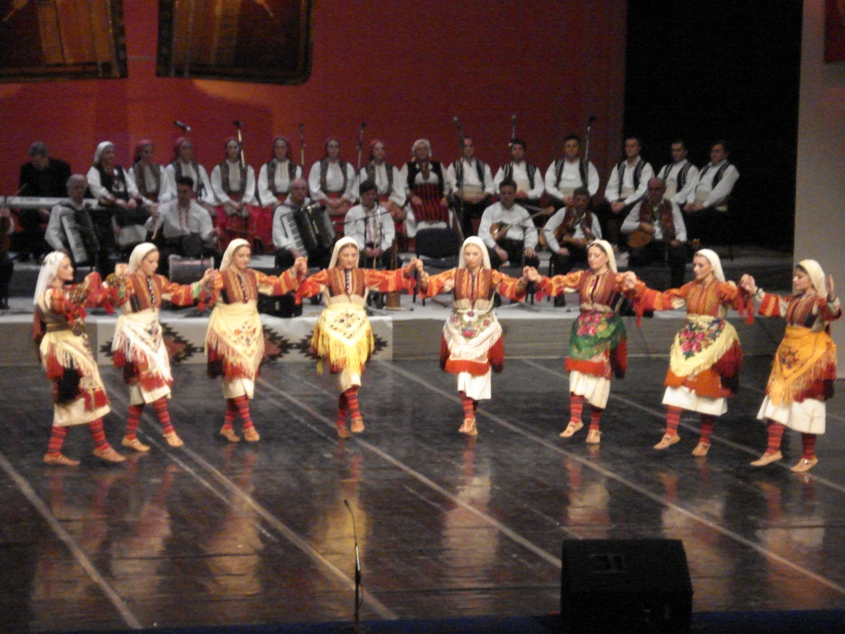 🇷🇴 Romania and 7 moreHorahora (Romanian), horo (Bulgarian), oro (Macedonian), horah (Hebrew)
A circle dance held at weddings across Southeast Europe and among Jewish communities worldwide.Performance · Reception, dance and gifts
🇷🇴 Romania and 7 moreHorahora (Romanian), horo (Bulgarian), oro (Macedonian), horah (Hebrew)
A circle dance held at weddings across Southeast Europe and among Jewish communities worldwide.Performance · Reception, dance and gifts
 🇷🇴 Romania and 4 moreCălușariCălușarii
A traditional Romanian spring dance and male society known for acrobatic leaps and ritual healing.Performance · The weeks before
🇷🇴 Romania and 4 moreCălușariCălușarii
A traditional Romanian spring dance and male society known for acrobatic leaps and ritual healing.Performance · The weeks before
 🇷🇸 Serbia and 5 moreČočekčočек (Serbian/Macedonian), кючек (Bulgarian), çyçek/qyqek (Albanian), sistemul (Romanian), Tsifteteli (Greek)
A Balkan wedding dance with a distinctive nine-beat rhythm, kept alive by Romani musicians and village celebrations.Performance · The wedding feast
🇷🇴 Romania and 1 morePerinița
A Romanian circle dance where a pillow marks the last partner dance for unmarried youth before a wedding.Performance · The eve
🇷🇸 Serbia and 5 moreČočekčočек (Serbian/Macedonian), кючек (Bulgarian), çyçek/qyqek (Albanian), sistemul (Romanian), Tsifteteli (Greek)
A Balkan wedding dance with a distinctive nine-beat rhythm, kept alive by Romani musicians and village celebrations.Performance · The wedding feast
🇷🇴 Romania and 1 morePerinița
A Romanian circle dance where a pillow marks the last partner dance for unmarried youth before a wedding.Performance · The eve
The same idea elsewhere
Wedding music and the dance floor compared 🇹🇷 Kayseri, Turkey and 4 moreHalay
A traditional line and circle dance performed across Turkey and surrounding regions at weddings.Performance · The ceremony
🇹🇷 Kayseri, Turkey and 4 moreHalay
A traditional line and circle dance performed across Turkey and surrounding regions at weddings.Performance · The ceremony
 🇮🇳 IndiaOdia Hindu weddingBahaghara (ଓଡ଼ିଆ ବାହାଘର)
The traditional Hindu marriage ceremony of the Odia people in Odisha, India.Rite · Engagement and betrothal
🇮🇳 IndiaOdia Hindu weddingBahaghara (ଓଡ଼ିଆ ବାହାଘର)
The traditional Hindu marriage ceremony of the Odia people in Odisha, India.Rite · Engagement and betrothal
 🇦🇿 AzerbaijanAzerbaijani wedding traditionsAzərbaycanın toy adətləri
The multi-step family rituals of Azerbaijani weddings, from matchmaking to the henna night.Rite · Finding a match
🇦🇿 AzerbaijanAzerbaijani wedding traditionsAzərbaycanın toy adətləri
The multi-step family rituals of Azerbaijani weddings, from matchmaking to the henna night.Rite · Finding a match
 🇮🇷 Tehran, Iran and 1 moreIranian weddingمراسم عروسی در ایران
A multi-stage ceremony rooted in Zoroastrianism and Islam that binds families through courtship, feasts, and sacred vowsRite · Finding a match
🇮🇷 Tehran, Iran and 1 moreIranian weddingمراسم عروسی در ایران
A multi-stage ceremony rooted in Zoroastrianism and Islam that binds families through courtship, feasts, and sacred vowsRite · Finding a match