Ceremony and sacred ritesNorth Africa
Jirtig
In its own language: الجَرْتِقْ (Arabic)
A Sudanese inauguration ritual where the groom is symbolically crowned as a king.
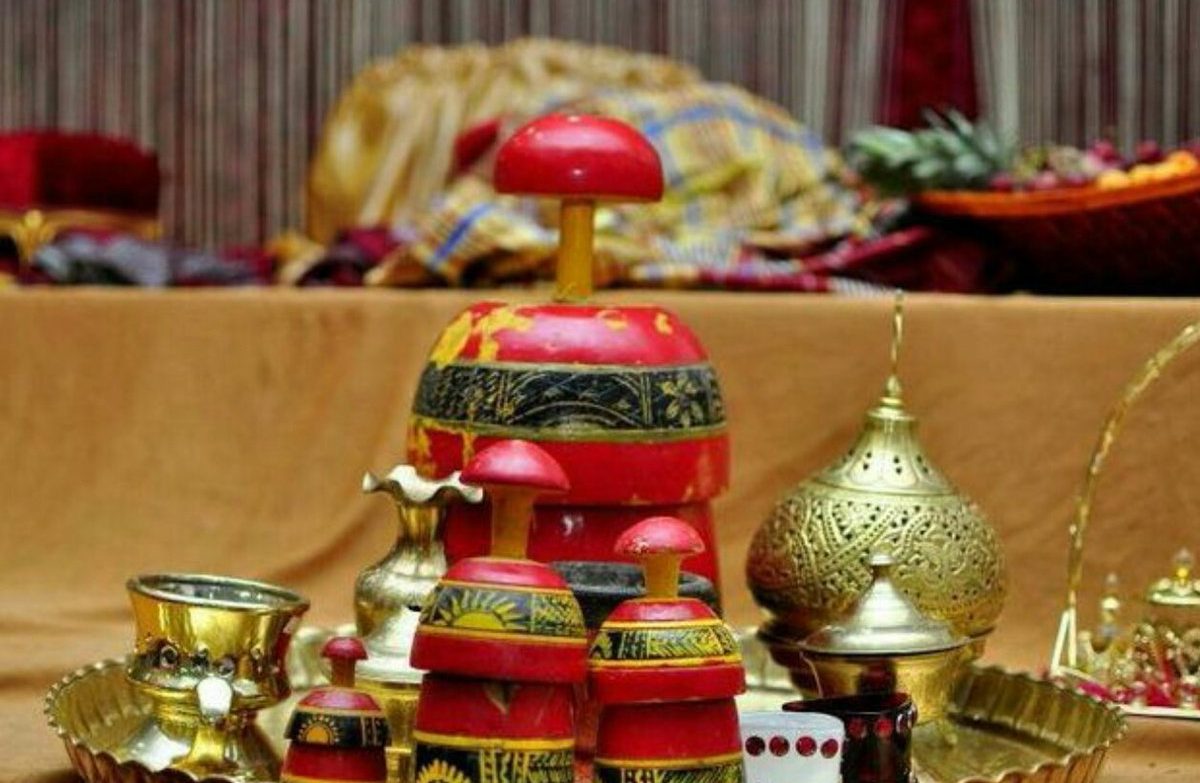
The Jirtig is a traditional Sudanese ceremony that treats the groom like a monarch during his wedding. Practised mainly by Nubian tribes along the Nile, it uses ancient symbols of power to bless the couple with fertility and protection.
When is Jirtig kept?
Jirtig is kept on before the groom departs for the bride's family.
The Jirtig transforms a groom into a king for a day. This Sudanese rite borrows from ancient coronation traditions to bless marriages with royal authority and fertility. It remains a vital part of Nubian identity in the Nile valley.
Royal symbolism
The core of the Jirtig is the installation of the groom as a ruler. Historians link the term to Meroitic words for 'king' and 'to make.' The ceremony mirrors the crowning of ancient Nubian monarchs found in archaeological sites like Musawwarat al-Safra. By assuming this regal role, the groom invokes the protective power and status historically reserved for kings.
Historical roots
The ritual traces back to the Kingdoms of Meroe and Soba. A first-century BC ring from Queen Amanishakheto’s treasure depicts the exact stance of the bride and groom seen today. This artifact shows the exchange of tools and the use of specific items like the red birch brush, proving the continuity of these symbols over two millennia.
Ceremonial objects
Specific items anchor the ritual. The groom sits on an Anqarib, a ceremonial neck or throne. He wears a headband with feathers and a cobra symbol. He holds a sword and a hippopotamus-hide whip. These objects represent authority. The couple also exchanges bowls of milk and plates of grain, linking the rite to ancient fertility omens.
Attire and dress
Clothing blurs gender lines to offer protection. The bride wears a red and gold embroidered thoub. The groom wears luxurious fabrics like silk, traditionally reserved for nobility. Both wear crowns; the groom’s features feathers while the bride’s bears a snake head. This deliberate similarity in dress reinforces their shared new status.
How Jirtig is kept
The groom sits on a special throne called an Anqarib. Female relatives apply fragrant oils to him and the bride. They place a feathered headband and a cobra crown on the groom. He receives a sword and a whip. The couple stands facing each other to exchange milk bowls and grain plates. This sequence mimics ancient royal inaugurations.
When and where
It takes place in the groom's home before he travels to the bride's family. It is not tied to a specific calendar month but occurs during the wedding preparation phase.
It is practiced along the central and northern Nile in Sudan. It is strongest among Nubian communities such as the Manasir and Shaigiya.
What Jirtig means
The ritual grants the groom the spiritual authority of a king. The exchanged milk and grain ensure fertility for the marriage. The protective clothing and symbols ward off evil. The entire event connects the modern couple to the grandeur of ancient Nubian civilization.
Who takes part
- The groom: Assumes the role of a king and receives regalia
- Female relatives: Apply oils and bestow sacred items upon the couple
- The bride: Stands opposite the groom to exchange fertility symbols
If you are a guest
Guests witness the inauguration. They observe the exchange of gifts and the dressing of the groom. They participate in the celebration of the couple's new royal status within the community.
Then and now
UNESCO added the Jirtig to its urgent safeguarding list in December 2025. This highlights the need to protect the tradition amid ongoing conflict in Sudan and preserve its role in cultural identity.
On the wedding table
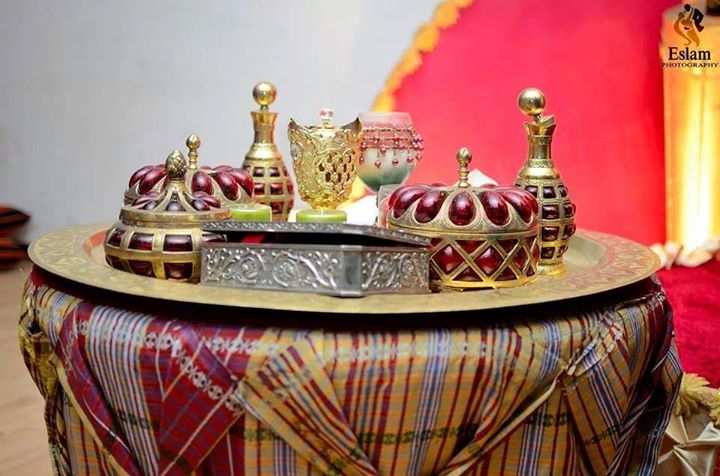
- Milk: Exchanged in woven palm bowls to symbolize fertility
- Grains: Held on plates during the exchange between bride and groom
Symbols: The colour red Gold and jewellery The ring Crowns and wreaths The veil Garlands and flowers Water and washing Swords and daggers Horse and carriage


Questions people ask about Jirtig
When is Jirtig kept?
Jirtig is kept on before the groom departs for the bride's family.
What is the Jirtig?
It is a Sudanese wedding ritual where the groom is symbolically crowned as a king. It uses ancient Nubian symbols to bless the marriage with authority and fertility.
Who practices it?
It is primarily practiced by Nubian tribes along the Nile in Sudan, including the Danagla, Ja’aliyin, and Manasir communities.
See also
 IhiThe Newar rite in which a girl is married to Vishnu, shown by a golden figure
 SvayamvaraThe ancient Hindu ceremony where a princess picks her husband from assembled suitors
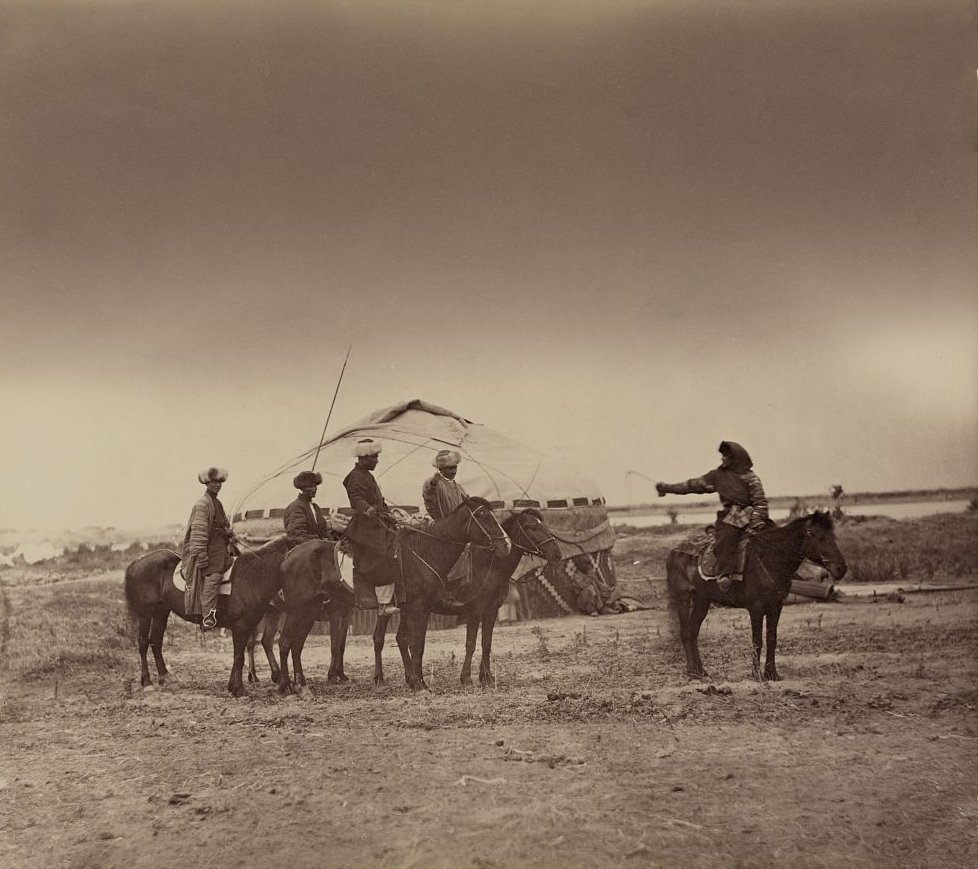 Ala kachuuA Kyrgyz custom of taking a woman for marriage, ranging from consensual elopement to forced abduction.
Good reading and sources
- Jirtig on WikipediaEncyclopedia
- More photos on Wikimedia CommonsPhotos and video
- Wikidata recordOpen data
The facts on this page come from the Wikipedia article "Jirtig", written by its contributors and used under the CC BY-SA 4.0 licence, and from its Wikidata record (CC0). EveryShaadi rewrote the text in its own words, with AI assistance, and compares every page with the article to make sure no passage is copied. It may be reused under the same CC BY-SA 4.0 licence with a link back.
It may contain mistakes. Wedding customs differ from one family, village and community to the next, and the people who keep them know them best. If something is wrong, tell us. Last refreshed 2026-10-05.
More from Sudan
All the traditions of Sudan 🇪🇬 Egypt and 5 moreHenna night
The evening before a wedding when the bride and groom are decorated with henna patterns for luck and joyAdornment · The eve
🇪🇬 Egypt and 5 moreHenna night
The evening before a wedding when the bride and groom are decorated with henna patterns for luck and joyAdornment · The eve
The same idea elsewhere
The wedding dress and what the couple wear compared 🇯🇵 Tokyo, JapanShinto wedding神前結婚 (Shinzen kekkon)
A Shinto purification ritual featuring sake sharing and kimono attire held at a shrine or venue.Rite · The ceremony
🇯🇵 Tokyo, JapanShinto wedding神前結婚 (Shinzen kekkon)
A Shinto purification ritual featuring sake sharing and kimono attire held at a shrine or venue.Rite · The ceremony
 🇮🇹 Rome, ItalyWeddings in ancient Rome
The religious ceremonies and attire that marked a union in the city of Rome before the rise of Christianity.Rite · The weeks before
🇮🇹 Rome, ItalyWeddings in ancient Rome
The religious ceremonies and attire that marked a union in the city of Rome before the rise of Christianity.Rite · The weeks before
 🇲🇽 Oaxaca, Mexico and 1 moreHuipilhuīpīlli
The traditional tunic worn by indigenous women in Mexico and Central America for weddings and daily life.Attire · The weeks before
🇲🇽 Oaxaca, Mexico and 1 moreHuipilhuīpīlli
The traditional tunic worn by indigenous women in Mexico and Central America for weddings and daily life.Attire · The weeks before