Vows, contracts and registrationMiddle EastMuslim
Kafa'ah
In its own language: الكفاءة (al-kafā'ah)
The Islamic legal principle of social and religious equivalence between spouses in marriage.
Kafa'ah is a concept in Islamic jurisprudence that recommends or requires a man to be the social and religious equal or superior of his bride. It focuses on factors like lineage, piety, and profession to ensure marital harmony and protect family honor. The practice varies significantly across different schools of Islamic law and cultural contexts.
When is Kafa'ah kept?
Kafa'ah is kept during the matchmaking and betrothal phases of a Muslim wedding..
Kafa'ah represents a traditional standard of equality in Islamic marriage law. It guides families to match partners based on shared religion, social standing, and moral character. This principle aims to create stable unions by ensuring both spouses come from comparable backgrounds. While some communities enforce strict lineage rules, others view it as a flexible guideline for compatibility.
Legal interpretations
Islamic scholars debate the strictness of kafa'ah across different schools of thought. The Hanafi school emphasizes proportionality between partners. Malikism focuses primarily on religious compatibility for both spouses. Shafi'i scholars consider lineage, profession, and freedom from defects, viewing it as a protection for women rather than a rigid restriction. Hanbali jurists include wealth and independence in their assessment. Shia Islam generally rejects lineage-based kafa'ah, focusing instead on religious equality.
Social stratification
In Hadhramaut, Yemen, kafa'ah became a tool for social hierarchy among Sayyids, descendants of the Prophet. A strict rule emerged prohibiting Sayyid women from marrying non-Sayyid men. This stance diverged from mainstream Shafi'i scholarship. The controversy intensified when these marriages occurred publicly, leading to community condemnation. Reformers like Rashid Rida and Ahmad Surkati argued against this exclusivity, citing Islamic equality. They maintained that personal qualities should outweigh lineage in determining suitability.
Historical controversies
The debate reached a peak in Singapore with scholar Sayyid Umar al-Attas defending the strict Hadhrami interpretation. He outlined four levels of descent compatibility, asserting that intermarriage was unlawful. Opponents like Abdullah Dahlan attacked critics with racist slurs, claiming biological superiority for certain lineages. This dispute sparked power struggles within Southeast Asian Muslim communities. It challenged the privileges of the Sayyid class and questioned customs like hand-kissing rituals. The conflict highlighted tensions between traditional hierarchy and modern egalitarian values.
How Kafa'ah is kept
Families evaluate potential matches using criteria such as religious observance, professional status, and family lineage. In stricter communities, scholars may intervene to annul marriages that violate these standards. The process often involves detailed background checks on ancestry. Women's consent is sometimes secondary to familial honor in these assessments. Reformist movements encourage couples to prioritize mutual respect over rigid social tiers.
When and where
This custom applies during the initial stages of finding a partner. It is most relevant before the formal engagement ceremony. Families discuss compatibility long before the wedding day takes place.
The concept is central to Muslim communities worldwide. It is particularly prominent in South Asia and the Middle East. Specific debates have shaped practices in Yemen, Egypt, and Singapore. Urban areas often see more relaxed interpretations compared to rural traditional settings.
What Kafa'ah means
Kafa'ah symbolizes the desire for harmony and mutual respect in marriage. It reflects the belief that similar backgrounds reduce conflict. For traditionalists, it preserves family dignity and social order. Critics argue it reinforces inequality and discriminates against women. The symbolism shifts from protection to exclusion depending on the interpreter.
Who takes part
- The bride's family: Assesses the groom's social and religious standing against their standards.
- Islamic scholars: Provide legal rulings on whether a proposed match meets compatibility requirements.
- The bride: May face pressure to accept or reject a match based on lineage rules.
- Reformist clerics: Advocate for equality and challenge strict lineage-based restrictions.
Then and now
Modern Muslim communities increasingly question rigid kafa'ah rules. Many couples prioritize personal compatibility over ancestral status. Legal reforms in some countries limit the ability of families to annul marriages based on these grounds. The practice remains influential in conservative circles but faces growing criticism for promoting elitism.
Questions people ask about Kafa'ah
When is Kafa'ah kept?
Kafa'ah is kept during the matchmaking and betrothal phases of a Muslim wedding..
What does kafa'ah mean in Islamic marriage?
It refers to the principle of equivalence or compatibility between spouses. It considers factors like religion, social status, and lineage to ensure a balanced union.
Is kafa'ah required for all Muslims?
Opinions vary. Some schools require religious equality. Others add social or lineage criteria. Shia Islam generally does not enforce lineage-based kafa'ah.
Can a woman marry someone of lower status?
Traditional views often restrict this to protect family honor. Reformist scholars argue that personal choice and mutual respect should override strict hierarchical rules.
How does kafa'ah affect divorce?
In some schools, significant incompatibility can be grounds for annulment. Scholars may declare a marriage void if essential compatibility criteria were ignored.
See also
 Baju KurungThe traditional blouse and skirt worn by Malay women for weddings and religious ceremonies
 Weddings in MaliMulti-day Malian wedding traditions blending Islamic rites, civil law, and local customs with bazin attire.UlulationA high-pitched trilling sound made by women to celebrate weddings and share good news across many cultures.
 Waist beadsStrands of glass or seed worn around the hips to mark womanhood and track body changes in West and North Africa.
Good reading and sources
The facts on this page come from the Wikipedia article "Kafa'ah", written by its contributors and used under the CC BY-SA 4.0 licence, and from its Wikidata record (CC0). EveryShaadi rewrote the text in its own words, with AI assistance, and compares every page with the article to make sure no passage is copied. It may be reused under the same CC BY-SA 4.0 licence with a link back.
It may contain mistakes. Wedding customs differ from one family, village and community to the next, and the people who keep them know them best. If something is wrong, tell us. Last refreshed 2026-10-05.
More from Yemen
All the traditions of Yemen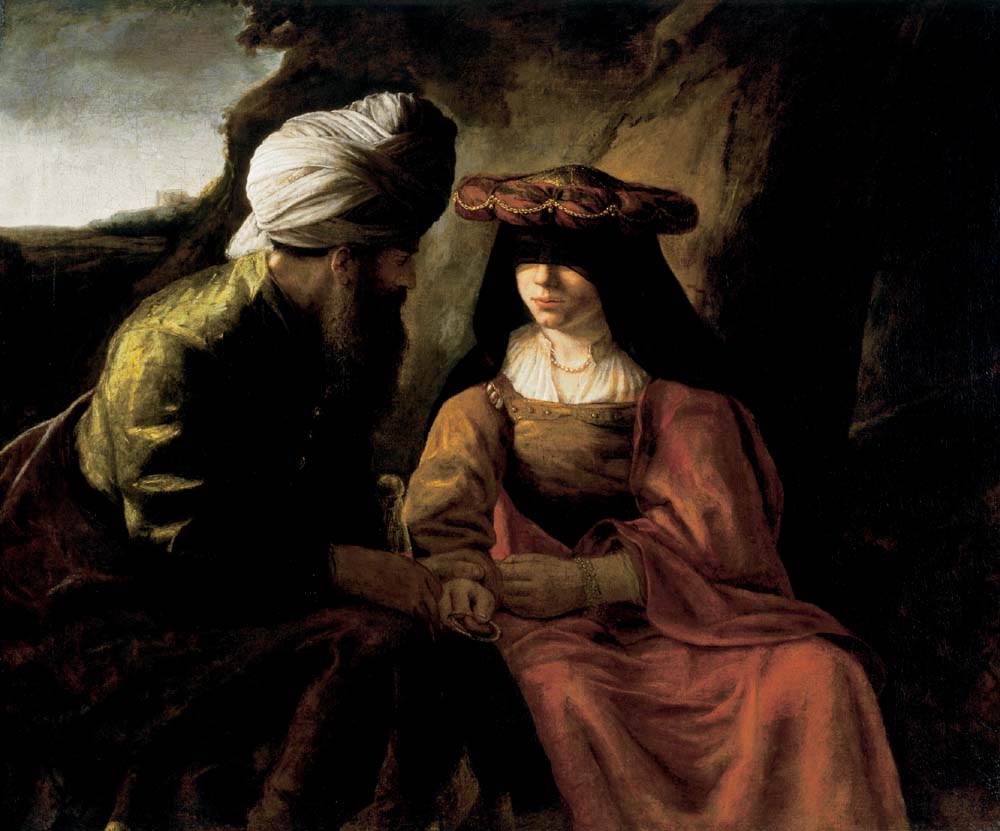 🇮🇱 Israel and 1 moreYibbumייבום
A Jewish rite where a brother marries his childless deceased brother's widow to continue the family line.Vow · Engagement and betrothal
🇮🇱 Israel and 1 moreYibbumייבום
A Jewish rite where a brother marries his childless deceased brother's widow to continue the family line.Vow · Engagement and betrothal
 🇮🇱 Israel and 2 moreKetubahכְּתוּבָּה
The Jewish marriage contract that outlines the groom's financial and personal obligations to the bride.Vow · Engagement and betrothal
🇵🇰 Pakistan and 4 moreWatta sattaوٹّا سٹّا / شغار
A reciprocal marriage arrangement where two families swap brides to bind households and manage domestic tensions.Betrothal · Finding a match
🇮🇱 Israel and 2 moreKetubahכְּתוּבָּה
The Jewish marriage contract that outlines the groom's financial and personal obligations to the bride.Vow · Engagement and betrothal
🇵🇰 Pakistan and 4 moreWatta sattaوٹّا سٹّا / شغار
A reciprocal marriage arrangement where two families swap brides to bind households and manage domestic tensions.Betrothal · Finding a match
The same idea elsewhere
Arranged marriage, matchmaking and choosing a partner compared 🇲🇲 MyanmarMarriage in Myanmar
A blend of Buddhist rites, astrological timing, and family negotiations that defines union across Myanmar's diverse ethnRite · Finding a match
🇲🇲 MyanmarMarriage in Myanmar
A blend of Buddhist rites, astrological timing, and family negotiations that defines union across Myanmar's diverse ethnRite · Finding a match
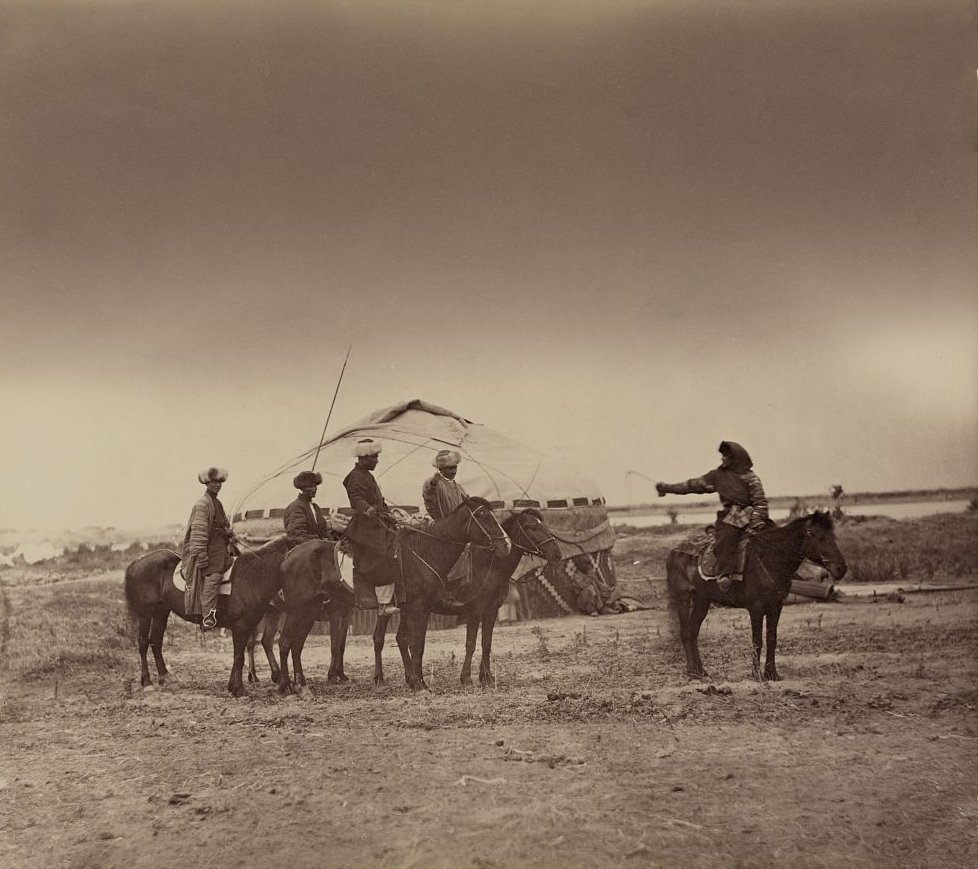 🇰🇬 Kyrgyzstan and 2 moreAla kachuuала качуу
A Kyrgyz custom of taking a woman for marriage, ranging from consensual elopement to forced abduction.Betrothal · Engagement and betrothal
🇨🇦 Canada and 1 moreMarriage à la façon du paysMariage à la façon du pays
The common-law unions between European fur traders and Indigenous women that shaped North American history.Betrothal · Engagement and betrothal
🇨🇳 China and 1 moreGhost marriage冥婚 (mínghūn)
A union arranged for deceased individuals to ensure harmony in the afterlife and care in this one.Rite · Finding a match
🇰🇬 Kyrgyzstan and 2 moreAla kachuuала качуу
A Kyrgyz custom of taking a woman for marriage, ranging from consensual elopement to forced abduction.Betrothal · Engagement and betrothal
🇨🇦 Canada and 1 moreMarriage à la façon du paysMariage à la façon du pays
The common-law unions between European fur traders and Indigenous women that shaped North American history.Betrothal · Engagement and betrothal
🇨🇳 China and 1 moreGhost marriage冥婚 (mínghūn)
A union arranged for deceased individuals to ensure harmony in the afterlife and care in this one.Rite · Finding a match