Bride price, dowry and giftsSouth Asia
Mysore Kalyanam
A fraudulent marriage scheme targeting women from Kerala for dowry money
Mysore Kalyanam is an exploitative practice in India where men from Mysore marry women from Kerala districts to extract dowry. Brokers arrange these unions under false pretences, after which the husbands divorce their wives and leave them destitute.
Mysore Kalyanam describes a cycle of deception where men from Karnataka marry women from Kerala solely for financial gain. Agents facilitate these unions by hiding the groom's true status. Once the dowry is received, the marriage ends quickly, leaving the bride without support or resources.
The arrangement process
Brokers connect families from the Malabar region with men in Mysore. They present the grooms as stable and prosperous, often concealing unemployment or criminal records. The brokers take a cut of the dowry for their work. Families believe they are securing a good match for their daughters. This setup relies entirely on misrepresentation and hidden truths about the men involved.
Extracting the dowry
The primary goal is to obtain money from the bride's family. Men from lower economic backgrounds use this method to secure funds. They may be drug addicts or involved in anti-social activities. The marriage serves only as a vehicle for this transfer. Once the payment is made, the intention shifts immediately to ending the union.
Abandonment and aftermath
Husbands cite trivial reasons for divorce, such as language barriers or cooking skills. They remarry multiple times to repeat the process. Women are left alone, often with children and no financial aid. Some return home, while others stay in Mysore neighborhoods. They struggle to survive without support from their original families or former spouses.
How Mysore Kalyanam is kept
Agents introduce grooms from Mysore to families in Kerala districts like Wayanad and Kozhikode. They hide the men's poor backgrounds and criminal histories. The families pay a significant dowry. Shortly after the wedding, the husband files for divorce using minor excuses. He leaves the wife behind, often taking any remaining assets. The cycle repeats with new brides.
When and where
This occurs during the betrothal and early marriage stages. It is not tied to a specific season or calendar date. The timing depends on when brokers can find willing victims and arrange the fraudulent unions.
It originates in Kerala districts including Malappuram, Kannur, and Kozhikode. The marriages take place in Mysore, Karnataka. Abandoned women often remain in Mysore areas with large Muslim populations, such as Shantinagar and Ghousianagar.
What Mysore Kalyanam means
There is no positive symbolism. The practice represents exploitation and broken trust. It uses the institution of marriage as a tool for theft. The community views it as a scam that preys on vulnerable families seeking stability for their daughters.
Who takes part
- brokers: arrange the marriage and take a percentage of the dowry
- the groom: marries for money and divorces shortly after
- the bride's family: pays the dowry believing the match is legitimate
- local leaders: sometimes intervene to help women return home
Then and now
The practice continues to affect women who lack financial independence. Many remain in Karnataka unable to return home. Efforts by local leaders and police help some women, but the cycle persists due to ongoing broker activity and economic desperation.
Questions people ask about Mysore Kalyanam
What is Mysore Kalyanam?
It is a fraudulent marriage scheme where men from Mysore marry women from Kerala to extract dowry. The unions are arranged by deceptive brokers who hide the grooms' true backgrounds.
When does this happen in the wedding timeline?
It occurs during the betrothal phase when the marriage is arranged and the dowry is paid. The negative outcomes follow immediately in the early stages of the marriage.
Is this practice legal?
No. Dowry demands are illegal in India. The deception involved in arranging these marriages also violates laws against fraud and cheating.
See also
 Bride priceWealth paid by the groom or his family to the bride or her kin to formalize a union.ArabikalyanamA temporary marriage arrangement between Arabian men and women in Kerala that has been linked to exploitation.
 Bride buying in IndiaThe forced purchase of women from impoverished regions for arranged marriages in Northern India.
 DowryA payment of wealth from the bride's family to the groom or his household at marriage.
Good reading and sources
- 'Mysore kalyanam' still haunts Muslim women from KeralaDeccan Herald, Article
- 'Mysore kalyanam' still haunts Muslim women from KeralaDeccan Herald, Article
The facts on this page come from the Wikipedia article "Mysore Kalyanam", written by its contributors and used under the CC BY-SA 4.0 licence, and from its Wikidata record (CC0). EveryShaadi rewrote the text in its own words, with AI assistance, and compares every page with the article to make sure no passage is copied. It may be reused under the same CC BY-SA 4.0 licence with a link back.
It may contain mistakes. Wedding customs differ from one family, village and community to the next, and the people who keep them know them best. If something is wrong, tell us. Last refreshed 2026-10-07.
More from India
All the traditions of India
🇹🇭 Thailand and 5 moreBride price
Wealth paid by the groom or his family to the bride or her kin to formalize a union.Gift custom · Engagement and betrothal
🇮🇳 IndiaArabikalyanam
A temporary marriage arrangement between Arabian men and women in Kerala that has been linked to exploitation.Gift custom · Engagement and betrothal
🇮🇳 IndiaBride buying in India
The forced purchase of women from impoverished regions for arranged marriages in Northern India.Gift custom · Engagement and betrothal
🇮🇳 India and 5 moreDowry
A payment of wealth from the bride's family to the groom or his household at marriage.Gift custom · Engagement and betrothal
The same idea elsewhere
Wedding money, envelopes and who pays compared 🇮🇷 Iran and 1 moreNikahnikāḥ (Arabic: نِكَاح)
The Islamic marriage contract that establishes a binding union between two people.Vow · Engagement and betrothal
🇮🇷 Iran and 1 moreNikahnikāḥ (Arabic: نِكَاح)
The Islamic marriage contract that establishes a binding union between two people.Vow · Engagement and betrothal
 🇲🇲 MyanmarMarriage in Myanmar
A blend of Buddhist rites, astrological timing, and family negotiations that defines union across Myanmar's diverse ethnRite · Finding a match
🇲🇲 MyanmarMarriage in Myanmar
A blend of Buddhist rites, astrological timing, and family negotiations that defines union across Myanmar's diverse ethnRite · Finding a match
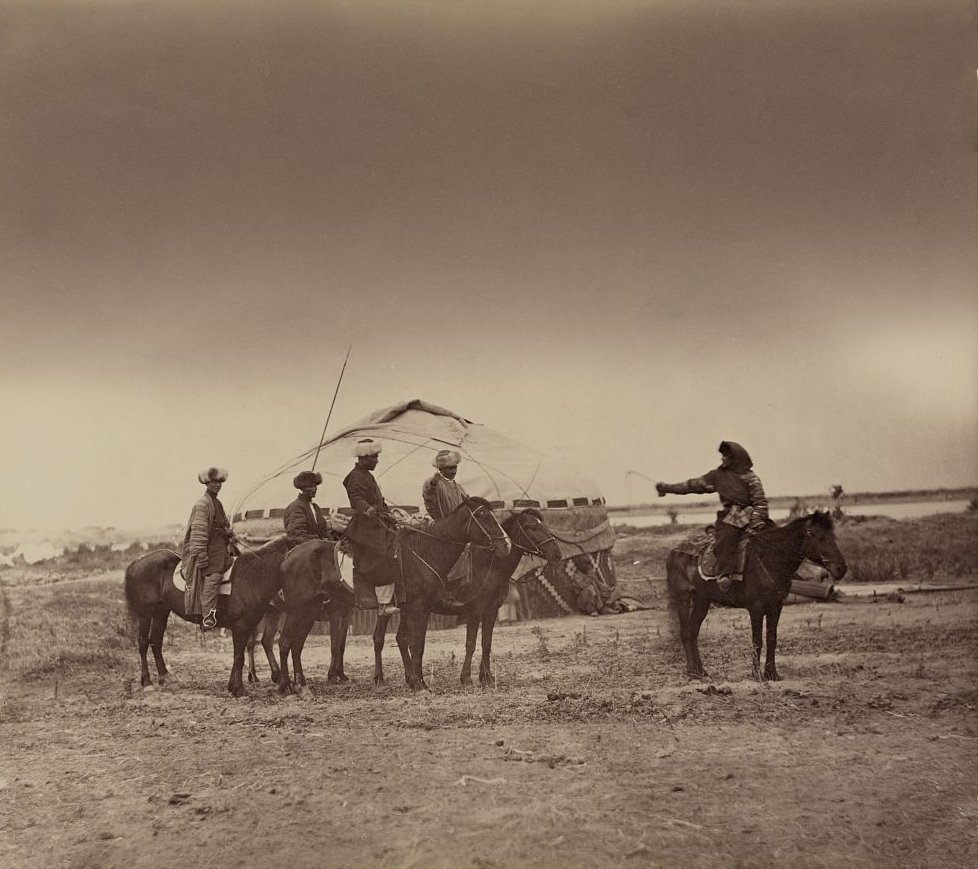 🇰🇬 Kyrgyzstan and 2 moreAla kachuuала качуу
A Kyrgyz custom of taking a woman for marriage, ranging from consensual elopement to forced abduction.Betrothal · Finding a match
🇰🇬 Kyrgyzstan and 2 moreAla kachuuала качуу
A Kyrgyz custom of taking a woman for marriage, ranging from consensual elopement to forced abduction.Betrothal · Finding a match