Matchmaking, courtship and engagementSouth Asia
Polyandry
A marriage structure where one woman is wed to multiple men simultaneously or in sequence.
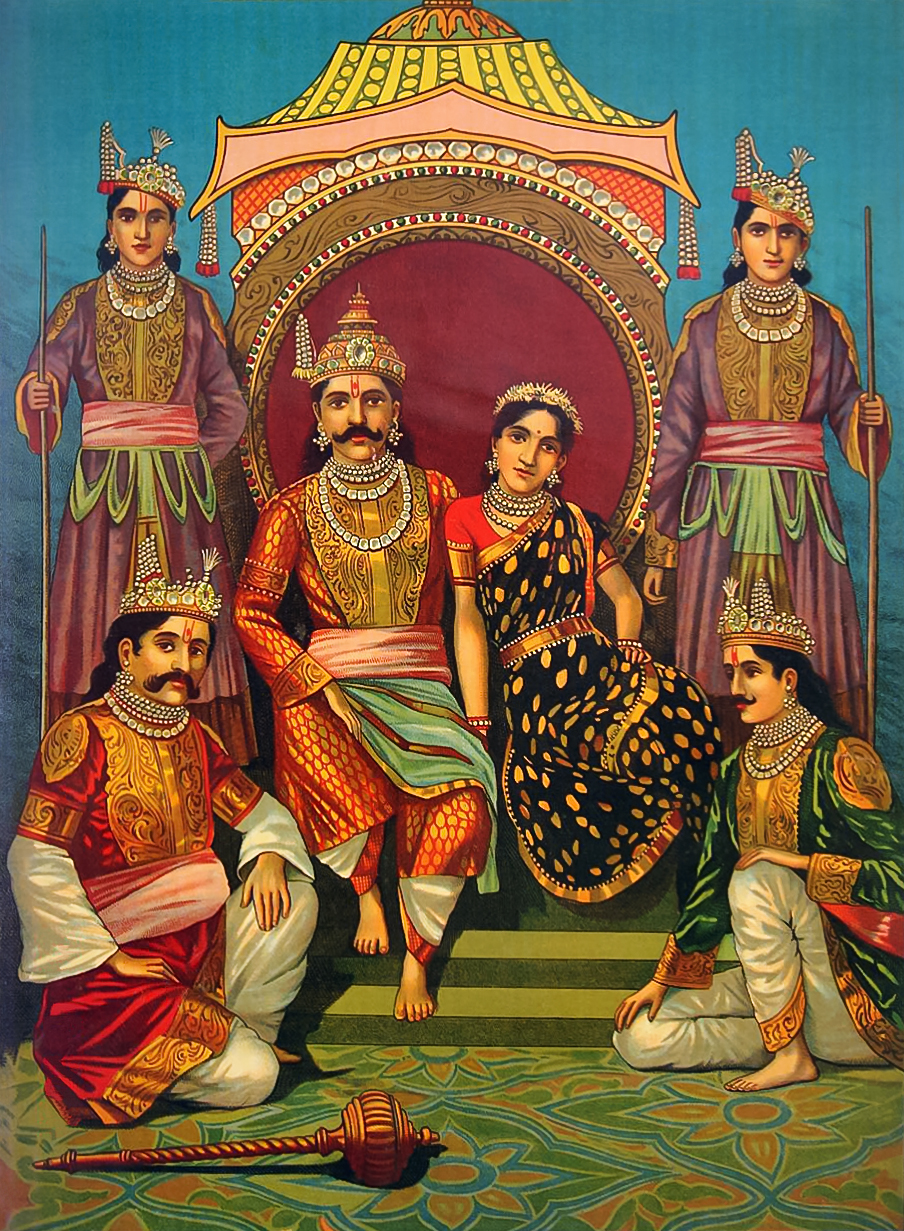
Polyandry describes a union in which a single wife shares two or more husbands at the same time. This practice appears in scattered communities across Asia and Africa, often driven by the need to keep family land intact or to manage scarce resources.
When is Polyandry kept?
Polyandry is kept on historically in specific regions, now rare.
Polyandry represents a marital arrangement where a woman has multiple husbands. It stands as the female counterpart to polygyny. Communities adopt this structure to preserve property lines or cope with environmental limits. The practice remains a living tradition in select areas of the Himalayas and parts of Africa.
Types of unions
Scholars distinguish between simultaneous and sequential arrangements. Fraternal polyandry involves a woman marrying several brothers. This keeps the family estate unified because all heirs share one spouse. Successional polyandry allows a woman to take new husbands over time. These partners may be related or unrelated. One husband might hold primary status while others serve as backups if the main partner falls ill or travels.
Economic drivers
The custom frequently emerges in places with limited arable land. If every brother married separately, the family farm would split into plots too small to sustain anyone. By sharing a wife, the brothers ensure their children inherit the full estate. This strategy mirrors primogeniture but includes all sons rather than just the eldest. It also helps control population growth in resource-poor environments.
Global distribution
The practice appears in isolated pockets worldwide. In the Himalayas, Tibetan and Nepali groups maintain fraternal traditions. Sri Lankan law once permitted it under the Kandyan code before British colonial rule banned it in 1859. African tribes in Nigeria and Cameroon use similar systems to build alliances between clans. Historical records also mention ancient societies in Greece and Rome that tolerated or practiced these unions.
How Polyandry is kept
In fraternal setups, a woman marries a set of brothers. She maintains equal relationships with each partner. The family treats the children as belonging to the entire group of fathers. In successional models, a woman enters a new marriage after her previous partner can no longer fulfill his duties. The community recognizes these unions through local customs rather than state registration in many historical contexts.
When and where
These marriages occur when families face land scarcity or when political alliances require shared spouses. The timing depends on local economic pressures rather than a fixed calendar season.
Strongholds include the high Himalayas in India, Nepal, and Tibet. It also exists among certain tribal groups in West Africa and historically in Sri Lanka. Modern instances are increasingly rare due to legal changes.
What Polyandry means
The union symbolizes family unity and economic survival. It prevents the fragmentation of ancestral property across generations. Some cultures view it as a way to ensure child survival in harsh climates. The shared paternity reflects a belief that a child benefits from multiple male guardians.
Who takes part
- The bride: Marries multiple men who may be brothers or sequential partners
- The husbands: Share domestic life and parental responsibilities for the children
- The elders: Arrange the union to protect family land or build tribal alliances
Then and now
Legal reforms and modernization have reduced the practice significantly. Many regions now enforce monogamy. However, some remote Himalayan villages still maintain fraternal traditions despite national laws prohibiting plural marriages.

Questions people ask about Polyandry
When is Polyandry kept?
Polyandry is kept on historically in specific regions, now rare.
What exactly is polyandry?
It is a form of marriage where one woman has two or more husbands at the same time. It contrasts with polygyny, where one man has multiple wives.
Why do some families practice it?
Families often use it to keep land from being divided among heirs. Sharing one wife ensures the estate remains intact for all brothers and their children.
Is it still common today?
No, it is quite rare. Most nations have outlawed plural marriages. Only a few isolated communities in the Himalayas and Africa still practice variations of it.
What happens to the children?
Children are typically raised by the mother and all her husbands. In fraternal cases, all brothers are considered the fathers of the offspring.
See also
 Maithil VivahThe arranged Hindu marriage of Maithils in the Mithila region, guided by Vedic texts and local customs.Beena marriageA pre-Islamic Arabian custom where the husband moves to the wife's home and she keeps her own tent.SambandamThe traditional matrilineal marriage alliance of Kerala's Nairs and Nambudiris.
 MatchmakingThe practice of pairing two people for marriage through an intermediary or system.
Good reading and sources
- Encyclopaedia BritannicaArticle
- Kenyan trio in 'wife-sharing' dealBBC, Article
- Kenyan trio in 'wife-sharing' dealBBC, Article
The facts on this page come from the Wikipedia article "Polyandry", written by its contributors and used under the CC BY-SA 4.0 licence, and from its Wikidata record (CC0). EveryShaadi rewrote the text in its own words, with AI assistance, and compares every page with the article to make sure no passage is copied. It may be reused under the same CC BY-SA 4.0 licence with a link back.
It may contain mistakes. Wedding customs differ from one family, village and community to the next, and the people who keep them know them best. If something is wrong, tell us. Last refreshed 2026-10-07.
More from India
All the traditions of India
🇮🇳 India and 1 moreMaithil Vivahमैथिल विवाह
The arranged Hindu marriage of Maithils in the Mithila region, guided by Vedic texts and local customs.Betrothal · Finding a match
🇸🇬 Singapore and 3 moreMatchmaking
The practice of pairing two people for marriage through an intermediary or system.Betrothal · Finding a match
 🇮🇳 India and 1 moreSvayamvaraस्वयंवर (svayaṃvara)
A ceremony where a bride selects her husband from assembled suitors or through a public contest.Betrothal · Engagement and betrothal
🇮🇳 India and 1 moreSvayamvaraस्वयंवर (svayaṃvara)
A ceremony where a bride selects her husband from assembled suitors or through a public contest.Betrothal · Engagement and betrothal
The same idea elsewhere
Arranged marriage, matchmaking and choosing a partner compared 🇰🇪 Kenya and 1 moreAyie
The Luo bride price ceremony where the mother accepts payment and agrees to the marriage.Gift custom · Engagement and betrothal
🇺🇿 UzbekistanPolygamy in Uzbekistan
The practice of men taking multiple wives in a country where the law strictly forbids it.Modern · Engagement and betrothal
🇰🇪 KenyaRecognition of same-sex unions in Kenya
The legal ban on gay marriage alongside traditional female-to-female unions that persist in some communities.Vow · Engagement and betrothal
🇰🇪 Kenya and 1 moreAyie
The Luo bride price ceremony where the mother accepts payment and agrees to the marriage.Gift custom · Engagement and betrothal
🇺🇿 UzbekistanPolygamy in Uzbekistan
The practice of men taking multiple wives in a country where the law strictly forbids it.Modern · Engagement and betrothal
🇰🇪 KenyaRecognition of same-sex unions in Kenya
The legal ban on gay marriage alongside traditional female-to-female unions that persist in some communities.Vow · Engagement and betrothal