Matchmaking, courtship and engagementSoutheast AsiaHinduJewish
Matchmaking
The practice of pairing two people for marriage through an intermediary or system.

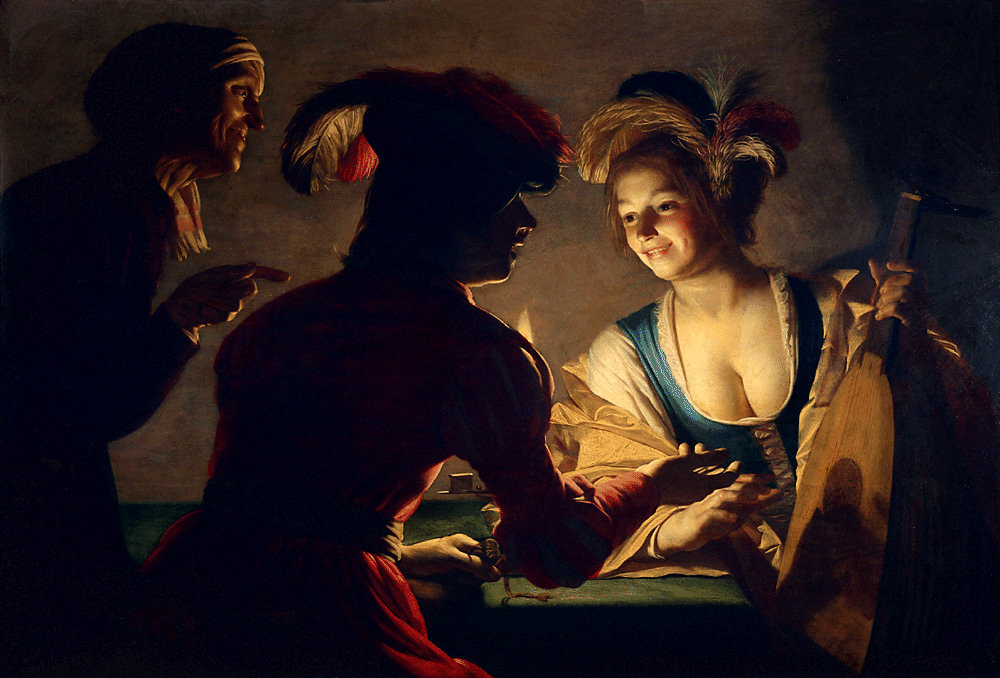
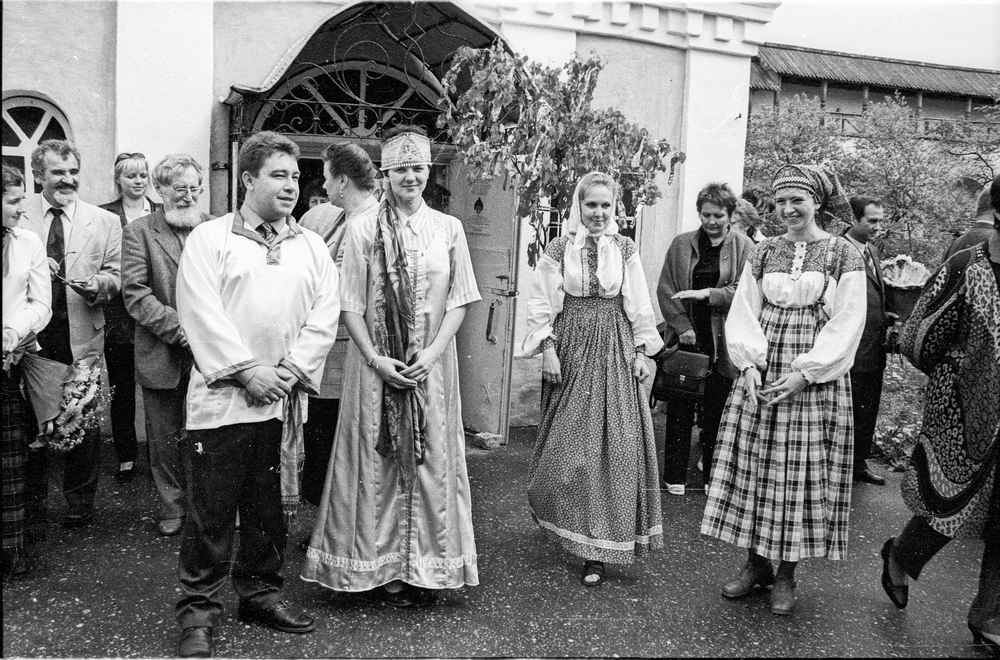
Matchmaking is the process of introducing potential partners with the goal of marriage. It involves a third party, known as a matchmaker, who facilitates connections between families or individuals. This custom appears in many cultures, from Jewish shadchan services to Hindu astrological consultations and government-run programs in Singapore.
When is Matchmaking kept?
Matchmaking is kept on before the engagement or wedding ceremony.
Matchmaking serves as the bridge between single individuals seeking a life partner. An intermediary guides the initial connection, often assessing compatibility before any formal union takes place. This practice ensures that social, religious, or familial expectations are met while helping couples find suitable matches.
Historical roles
In Ashkenazi Jewish communities, a professional called a shadchan facilitated alliances between families. These intermediaries operated with discretion during periods of unrest, such as after the Crusades, to maintain community continuity. By the late nineteenth century, their role faced criticism for commercializing relationships. In Hindu traditions, astrologers acted as essential advisors, using celestial signs to validate unions approved by parents. Clergy members also served as mediators in Western societies, particularly within Catholic villages where they helped identify compatible partners.
Modern adaptations
Interest in traditional matchmaking has grown recently due to dissatisfaction with digital dating platforms. Services now blend human insight with technology, such as Chabad's Met@Chabad, which uses artificial intelligence alongside rabbinic mentorship. In Singapore, the Social Development Unit provides institutionalized matchmaking services accessible to all citizens. Iran maintains numerous dating agencies regulated by the Ministry of Islamic Culture and Guidance. These modern approaches prioritize personality assessments and personal touches over purely algorithmic matching.
Social contexts
Matchmaking extends beyond formal institutions into social gatherings. In frontier North America, social dances like square dancing allowed separated farming families to meet their children's peers. Matchmakers attended these events as chaperones, advising families on promising romances. While economic factors heavily influenced suitor selection in non-arranged cultures, clergy and trusted community figures remained key mediators. Today, professional matchmakers cater to those seeking structured introductions with personalized attention.
How Matchmaking is kept
An intermediary assesses potential candidates based on family background, values, or astrological compatibility. They facilitate introductions between the parties, often acting as a buffer during early interactions. In some traditions, religious leaders or astrologers provide spiritual validation for the union. The process continues until both sides agree to proceed toward engagement, ensuring alignment with cultural or familial expectations before any public announcement occurs.
When and where
This custom occurs before the engagement phase, serving as the initial step in finding a partner. Dates are set based on individual availability or astrological recommendations rather than fixed calendar days. The timing depends entirely on when suitable candidates are identified and introduced by the matchmaker.
Matchmaking is practiced globally but varies by region. It is prominent in Jewish communities worldwide, Hindu households in India, and state-sponsored programs in Singapore. Professional agencies operate in Iran, while informal social networks function in Western countries. Los Angeles has historical ties to municipal matchmaking efforts.
What Matchmaking means
The practice symbolizes the importance of community oversight in marriage. It reflects the belief that external guidance helps ensure long-term stability and compatibility. By involving trusted figures, families demonstrate their commitment to preserving social bonds and cultural continuity through carefully selected unions.
Who takes part
- Matchmaker: Facilitates introductions and assesses compatibility
- Astrologer: Validates matches using celestial signs
- Clergy: Acts as a trusted mediator between families
- Parents: Approve or reject proposed unions
Then and now
Digital platforms have transformed matchmaking, though many seek human-led services. Traditional methods persist alongside AI-driven tools, blending old customs with new technology. Government initiatives in places like Singapore make matchmaking widely accessible, moving it away from exclusive elite circles.

Questions people ask about Matchmaking
When is Matchmaking kept?
Matchmaking is kept on before the engagement or wedding ceremony.
What is matchmaking?
Matchmaking is the process of introducing two people for the purpose of marriage. A third party, known as a matchmaker, facilitates this connection, often assessing compatibility before the couple meets formally.
Is matchmaking legal?
Matchmaking itself is not illegal. However, specific practices like forced marriage or child marriage are prohibited in many jurisdictions. Professional matchmaking services operate legally within local regulations.
See also
 Maithil VivahThe arranged Hindu marriage of Maithils in the Mithila region, guided by Vedic texts and local customs.
 SvayamvaraThe ancient Hindu ceremony where a princess picks her husband from assembled suitors
 Arranged marriage in the Indian subcontinentThe family-led matchmaking process that shapes most marriages across South Asia.
Good reading and sources
- Matchmaking on WikipediaEncyclopedia
- More photos on Wikimedia CommonsPhotos and video
- Wikidata recordOpen data
The facts on this page come from the Wikipedia article "Matchmaking", written by its contributors and used under the CC BY-SA 4.0 licence, and from its Wikidata record (CC0). EveryShaadi rewrote the text in its own words, with AI assistance, and compares every page with the article to make sure no passage is copied. It may be reused under the same CC BY-SA 4.0 licence with a link back.
It may contain mistakes. Wedding customs differ from one family, village and community to the next, and the people who keep them know them best. If something is wrong, tell us. Last refreshed 2026-10-05.
More from Singapore
All the traditions of Singapore 🇨🇳 China and 2 moreChinese pre-wedding customs三書六禮 (sàam syù luhk láih)
The traditional betrothal rituals of the Book of Rites that prepare a Chinese marriage.Betrothal · Finding a match
🇨🇳 China and 2 moreChinese pre-wedding customs三書六禮 (sàam syù luhk láih)
The traditional betrothal rituals of the Book of Rites that prepare a Chinese marriage.Betrothal · Finding a match
 🇲🇾 Malaysia and 4 moreBaju Kurungباجو كوروڠ
The traditional blouse and skirt worn by Malay women for weddings and religious ceremoniesAttire · The weeks before
🇾🇪 Yemen and 4 moreKafa'ahالكفاءة (al-kafā'ah)
The Islamic legal principle of social and religious equivalence between spouses in marriage.Vow · Finding a match
🇲🇾 Malaysia and 4 moreBaju Kurungباجو كوروڠ
The traditional blouse and skirt worn by Malay women for weddings and religious ceremoniesAttire · The weeks before
🇾🇪 Yemen and 4 moreKafa'ahالكفاءة (al-kafā'ah)
The Islamic legal principle of social and religious equivalence between spouses in marriage.Vow · Finding a match
 🇨🇳 China and 6 moreRed envelope红包 (hóngbāo)
A gift of money in a red paper sleeve exchanged at weddings and holidays to bring good luck.Gift custom · The wedding feast
🇨🇳 China and 6 moreRed envelope红包 (hóngbāo)
A gift of money in a red paper sleeve exchanged at weddings and holidays to bring good luck.Gift custom · The wedding feast
The same idea elsewhere
Arranged marriage, matchmaking and choosing a partner compared
🇮🇳 India and 1 moreMaithil Vivahमैथिल विवाह
The arranged Hindu marriage of Maithils in the Mithila region, guided by Vedic texts and local customs.Betrothal · Finding a match
 🇰🇷 Seoul, South Korea and 1 moreMarriage in KoreaKorean marriage (결혼)
A look at how Korean weddings blend ancient Confucian rites with modern legal practices.Rite · Finding a match
🇮🇳 IndiaSambandam
The traditional matrilineal marriage alliance of Kerala's Nairs and Nambudiris.Betrothal · Finding a match
🇱🇰 Sri LankaBeena marriage
A pre-Islamic Arabian custom where the husband moves to the wife's home and she keeps her own tent.Betrothal · Engagement and betrothal
🇰🇷 Seoul, South Korea and 1 moreMarriage in KoreaKorean marriage (결혼)
A look at how Korean weddings blend ancient Confucian rites with modern legal practices.Rite · Finding a match
🇮🇳 IndiaSambandam
The traditional matrilineal marriage alliance of Kerala's Nairs and Nambudiris.Betrothal · Finding a match
🇱🇰 Sri LankaBeena marriage
A pre-Islamic Arabian custom where the husband moves to the wife's home and she keeps her own tent.Betrothal · Engagement and betrothal