Matchmaking, courtship and engagementSouth AsiaHindu
Svayamvara
In its own language: स्वयंवर
The ancient Hindu ceremony where a princess picks her husband from assembled suitors

Svayamvara, meaning self-choice, is an ancient Hindu custom in which a bride, usually a Kshatriya princess, chooses her husband from suitors gathered by her father. It is best known from the Mahabharata and Ramayana, and further wedding rites followed it.
When is Svayamvara kept?
Svayamvara is kept on held before the wedding rites, once a royal daughter had reached maidenhood.
Svayamvara is a matchmaking ceremony from ancient Hindu society. Its name means self-choice: the bride, usually a warrior-caste princess, picks her husband from suitors gathered by her father, either freely or through a contest. It is described in the two Sanskrit epics, the Mahabharata and the Ramayana. Scholars say it was seen more often in stories than in real life.
What it is
In a svayamvara, a royal father invites suitors, and the princess selects among them. Scholars divide it into two broad forms. In one, she chooses freely, with her parents' approval; the story of Damayanti is an example. In the other, called viryashulka, the bride is won through a contest of valour or skill, such as Arjuna's feat of archery for Draupadi. The Devi Bhagavata Purana, according to one scholar, names three types: free choice, choice after meeting set conditions, and a contest. The ceremony was not itself a marriage. Further rites then formalised the union.
Sequence of events
Linguist Stephanie Jamison describes a fixed order in the Sanskrit texts. The king invites, houses and entertains the suitors. The bride is presented, often adorned. Each suitor is announced with his family and qualities. Where a contest is held, it is announced and the suitors attempt feats such as archery or combat. At the end the bride shows her choice by placing a ceremonial garland on the man she selects, in front of the whole assembly. In the stories of Draupadi and Indumati, a wedding in the kanyadana style, in which the father gives the bride away, then followed.
Origins and doubts
Scholars link it to the Vedic period and note indirect references in the Rig Veda. Some see Indo-European roots, comparing it to Penelope's suitors in the Odyssey. Another view traces it to the Gandharva marriage, based on mutual consent. Historian Edward Hopkins suggests it may have replaced an earlier warrior custom of bride abduction. Many scholars say real historical records are rare and that by the early Common Era it worked more as a literary device in the epics. Svayamvara is not listed among the forms of marriage in the Dharmashastra law books, though some call it a ninth form.
Meaning and status
Scholars offer several readings. Hartmut Scharfe suggests it let a princess have some say in a class that arranged marriages for political alliances, and spared her father from favouring one powerful neighbour. Romila Thapar notes that such ceremonies were status symbols for royal families, since marriage into a prestigious house strengthened claims to land and power. The format seems restricted to royal daughters of the Kshatriya caste, and the few recorded marriages across castes often led to conflict. The Manusmriti also lets a girl choose her own husband if her father has not arranged a marriage within three years after her first menses.
How Svayamvara is kept
The bride's father, a king, invites eligible suitors and hosts them. The bride is presented, adorned, and each suitor is introduced with his family background. In a contest version, the test is announced and the suitors attempt feats of skill or valour. The bride then places a ceremonial garland on her choice before the assembly. Later marriage rites formalise the union. The sources describe this from literature, and not as a custom kept in the same way today.
When and where
It came before the wedding rites, once a royal girl had reached maidenhood. Scholars date its origins to the early Vedic period, around 1500 to 1100 BCE, and the epics were composed between about 500 BCE and 500 CE.
It belongs to ancient Hindu society in India, and is featured in the Sanskrit epics. Some scholars compare it to a similar tradition in Zoroastrian Iran.
What Svayamvara means
The garland signals the bride's choice. The contest form puts the suitor's courage and skill first, in line with Kshatriya values of competition and martial prowess. Where the bride chooses freely, it carries a degree of independence for the princess.
Who takes part
- The bride: chooses her husband, signalling it by placing a garland on him
- The king, her father: invites, hosts and presents the suitors
- The suitors: are introduced and, in contest forms, compete in feats of skill or valour
- The assembly: witnesses the choice
Then and now
Many scholars say the ceremony was rarely recorded as real practice and by the early Common Era worked more as a literary device. It lives on mostly in epic and classical literature, such as the works of Kalidasa.
On the wedding table
Symbols: Garlands and flowers


Questions people ask about Svayamvara
When is Svayamvara kept?
Svayamvara is kept on held before the wedding rites, once a royal daughter had reached maidenhood.
What is a svayamvara?
It is an ancient Hindu ceremony, whose name means self-choice, where a princess chooses her husband from suitors her father has assembled. It is best known from the Mahabharata and the Ramayana.
How does the bride show her choice?
She places a ceremonial garland on the suitor she selects, in front of the assembled guests. In some forms the choice is decided by a contest of skill or valour.
Was it a real custom?
Scholars disagree. Many say historical records are rare and that it served mainly as a literary device in the epics, while some trace it to the Vedic period.
Who took part?
Mostly royal daughters of the Kshatriya, or warrior, caste, though the Manusmriti lets any girl choose her husband if her father has not arranged a marriage in time.
Good reading and sources
- Svayamvara on WikipediaEncyclopedia
- More photos on Wikimedia CommonsPhotos and video
- Wikidata recordOpen data
The facts on this page come from the Wikipedia article "Svayamvara", written by its contributors and used under the CC BY-SA 4.0 licence, and from its Wikidata record (CC0). EveryShaadi rewrote the text in its own words, with AI assistance, and compares every page with the article to make sure no passage is copied. It may be reused under the same CC BY-SA 4.0 licence with a link back.
It may contain mistakes. Wedding customs differ from one family, village and community to the next, and the people who keep them know them best. If something is wrong, tell us. Last refreshed 2026-10-05.
More from India
All the traditions of India 🇮🇳 India and 1 moreMaithil Vivahमैथिल विवाह
The arranged Hindu marriage of Maithils in the Mithila region, guided by Vedic texts and local customs.Betrothal · Finding a match
🇮🇳 IndiaSambandam
The traditional matrilineal marriage alliance of Kerala's Nairs and Nambudiris.Betrothal · Finding a match
🇮🇳 India and 1 moreMaithil Vivahमैथिल विवाह
The arranged Hindu marriage of Maithils in the Mithila region, guided by Vedic texts and local customs.Betrothal · Finding a match
🇮🇳 IndiaSambandam
The traditional matrilineal marriage alliance of Kerala's Nairs and Nambudiris.Betrothal · Finding a match
 🇸🇬 Singapore and 3 moreMatchmaking
The practice of pairing two people for marriage through an intermediary or system.Betrothal · Finding a match
🇸🇬 Singapore and 3 moreMatchmaking
The practice of pairing two people for marriage through an intermediary or system.Betrothal · Finding a match
 🇮🇳 India and 2 moreArranged marriage in the Indian subcontinent
The family-led matchmaking process that shapes most marriages across South Asia.Betrothal · Finding a match
🇮🇳 India and 2 moreArranged marriage in the Indian subcontinent
The family-led matchmaking process that shapes most marriages across South Asia.Betrothal · Finding a match
The same idea elsewhere
Arranged marriage, matchmaking and choosing a partner compared 🇲🇲 MyanmarMarriage in Myanmar
A blend of Buddhist rites, astrological timing, and family negotiations that defines union across Myanmar's diverse ethnRite · Finding a match
🇲🇲 MyanmarMarriage in Myanmar
A blend of Buddhist rites, astrological timing, and family negotiations that defines union across Myanmar's diverse ethnRite · Finding a match
 🇰🇷 Seoul, South Korea and 1 moreMarriage in KoreaKorean marriage (결혼)
A look at how Korean weddings blend ancient Confucian rites with modern legal practices.Rite · Finding a match
🇰🇷 Seoul, South Korea and 1 moreMarriage in KoreaKorean marriage (결혼)
A look at how Korean weddings blend ancient Confucian rites with modern legal practices.Rite · Finding a match
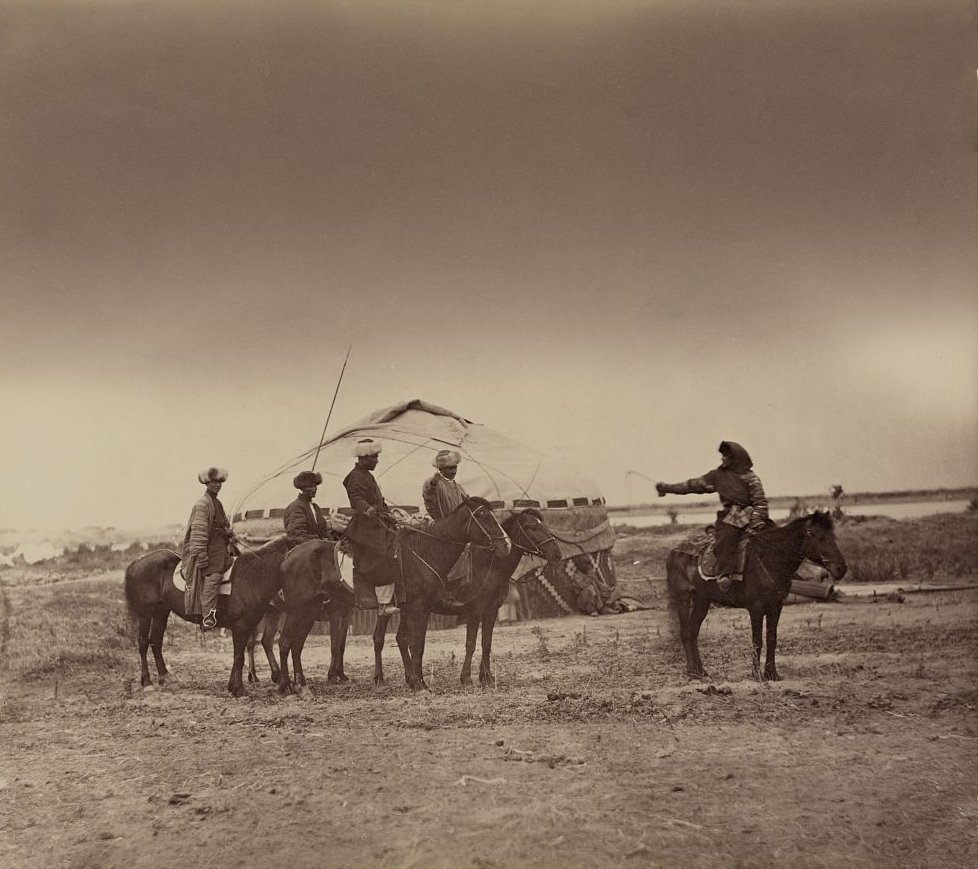 🇰🇬 Kyrgyzstan and 2 moreAla kachuuала качуу
A Kyrgyz custom of taking a woman for marriage, ranging from consensual elopement to forced abduction.Betrothal · Engagement and betrothal
🇰🇬 Kyrgyzstan and 2 moreAla kachuuала качуу
A Kyrgyz custom of taking a woman for marriage, ranging from consensual elopement to forced abduction.Betrothal · Engagement and betrothal