Family roles and who does whatSub-Saharan Africa
Polygamy in South Sudan
A common marital structure where men take multiple wives, often measured by cattle wealth.
Polygamy is a widespread practice in South Sudan, with about 40% of marriages involving more than one wife. Supporters view it as a symbol of African pride and cultural identity, while critics link it to the country's broader social instability.
In South Sudan, polygamy remains a prevalent marital arrangement, shaping family structures across the nation. This practice allows men to marry multiple women, a choice often driven by economic capacity rather than religious mandate. While some leaders defend it as a source of national pride, others associate it with the region's ongoing challenges.
Cultural significance
Supporters of this marital form argue that it represents a core aspect of African identity and pride. They believe that opposition to polygamy stems from Western influences that misunderstand local traditions. For many, maintaining these unions is a way to preserve cultural heritage against external pressures.
Economic foundations
The ability to sustain multiple marriages depends heavily on a man's financial resources. Wealth is frequently quantified through cattle ownership, which serves as a primary measure of status and capability. Men typically add wives only when they can afford the responsibilities associated with each new union.
Social context
Despite its prevalence, the practice is often linked to the chaotic state of affairs within the country. Approximately forty percent of all marriages in South Sudan are polygamous. This high rate reflects both deep-rooted traditions and the complex socio-economic realities faced by families in the region.
How Polygamy in South Sudan is kept
Men enter into multiple marriages based on their financial means, which are often assessed by the number of cattle they own. This structure allows for larger family units, though it is sometimes viewed as a symptom of broader societal instability. The practice persists due to strong cultural advocacy and traditional views on family size.
When and where
This custom is observed throughout the year in South Sudan, with no specific seasonal restrictions. It is not tied to a particular festival or calendar date but occurs whenever a man can support additional wives.
The practice is most prominent in South Sudan, where it is considered quite common. It is deeply embedded in the local culture and legal landscape, reflecting the nation's unique social dynamics.
What Polygamy in South Sudan means
For its advocates, polygamy symbolizes African pride and resilience against foreign judgment. It is seen as a valid expression of cultural values that prioritize large families and community strength over individualistic Western norms.
Who takes part
- The husband: Marries multiple wives if he has sufficient wealth, often measured in cattle.
- Archbishop Gabriel Roric: Defends the practice as a source of African pride and criticizes Western opposition.
Then and now
The practice continues to be common, with about 40% of marriages being polygamous. However, it remains a subject of debate, with some linking it to the country's chaotic conditions while others see it as a vital cultural tradition.
Questions people ask about Polygamy in South Sudan
Is polygamy common in South Sudan?
Yes, approximately 40% of marriages in South Sudan are polygamous, making it a widespread marital structure.
What determines a man's ability to have multiple wives?
A man's wealth, often measured by his cattle ownership, determines his capacity to support multiple wives.
Why do some people support polygamy in South Sudan?
Supporters view it as a source of African pride and a rejection of Western marriage models they consider misguided.
See also
Good reading and sources
The facts on this page come from the Wikipedia article "Polygamy in South Sudan", written by its contributors and used under the CC BY-SA 4.0 licence, and from its Wikidata record (CC0). EveryShaadi rewrote the text in its own words, with AI assistance, and compares every page with the article to make sure no passage is copied. It may be reused under the same CC BY-SA 4.0 licence with a link back.
It may contain mistakes. Wedding customs differ from one family, village and community to the next, and the people who keep them know them best. If something is wrong, tell us. Last refreshed 2026-10-06.
The same idea elsewhere
Interfaith, inter-community and same-sex weddings compared 🇮🇷 Iran and 1 moreNikahnikāḥ (Arabic: نِكَاح)
The Islamic marriage contract that establishes a binding union between two people.Vow · Engagement and betrothal
🇮🇷 Iran and 1 moreNikahnikāḥ (Arabic: نِكَاح)
The Islamic marriage contract that establishes a binding union between two people.Vow · Engagement and betrothal
 🇪🇬 Egypt and 4 moreWaist beads
Strands of glass or seed worn around the hips to mark womanhood and track body changes in West and North Africa.Adornment · Engagement and betrothal
🇮🇳 India and 3 moreNikah halalaنکاح حلالہ
A second marriage required for a woman to remarry her first husband after triple talaq.Vow · After the wedding
🇪🇬 Egypt and 4 moreWaist beads
Strands of glass or seed worn around the hips to mark womanhood and track body changes in West and North Africa.Adornment · Engagement and betrothal
🇮🇳 India and 3 moreNikah halalaنکاح حلالہ
A second marriage required for a woman to remarry her first husband after triple talaq.Vow · After the wedding
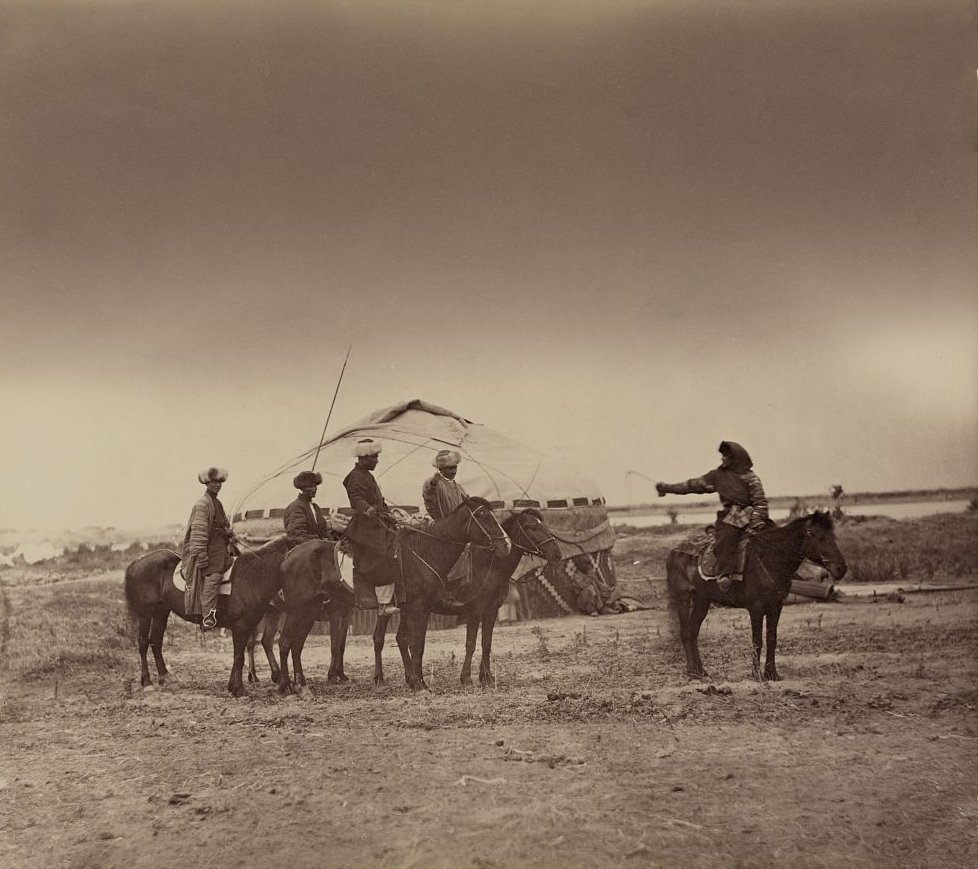 🇰🇬 Kyrgyzstan and 2 moreAla kachuuала качуу
A Kyrgyz custom of taking a woman for marriage, ranging from consensual elopement to forced abduction.Betrothal · Finding a match
🇰🇬 Kyrgyzstan and 2 moreAla kachuuала качуу
A Kyrgyz custom of taking a woman for marriage, ranging from consensual elopement to forced abduction.Betrothal · Finding a match