Ceremony and sacred ritesNorth AfricaMuslimCatholic
Arab wedding
In its own language: زفاف or فرح or عرس
A series of family-centered rites and processions that mark marriage across the Arab world.

Arab weddings are ceremonies shaped by Arab culture and Islamic law. They involve arranged matchmaking, formal engagements, henna celebrations, and a religious contract known as the nikah. The events vary widely from Egypt to Palestine but share core traditions of family approval and communal feasting.
When is Arab wedding kept?
Arab wedding is kept on throughout the wedding timeline from engagement to reception.
Arab weddings blend Islamic requirements with diverse regional customs. Families arrange matches based on shared values and background. The process moves through formal requests, engagements, and henna nights before the religious ceremony. Communal feasts and processions celebrate the union while respecting modesty norms.
Matchmaking and consent
Families play a central role in finding suitable partners. Parents look for individuals with modest temperaments and strong family values. Consanguineous marriages remain common in many regions, particularly in Saudi Arabia and Iraq. The initial meetings often involve the mothers of the couple. Urban families may allow the couple to agree privately before seeking formal permission. Both parties must consent to the marriage for it to be valid under Islamic law.
Engagement and henna
The Tulba marks the formal request for the bride's hand. Engagements feature matching outfits and ring exchanges on the right hand. A henna night precedes the wedding, where women gather to apply temporary skin decorations. In traditional settings, this involves dancing through streets and offering gold to the bride. Modern versions resemble bachelorette parties with music and food. Men often hold separate celebrations nearby.
Ceremony and procession
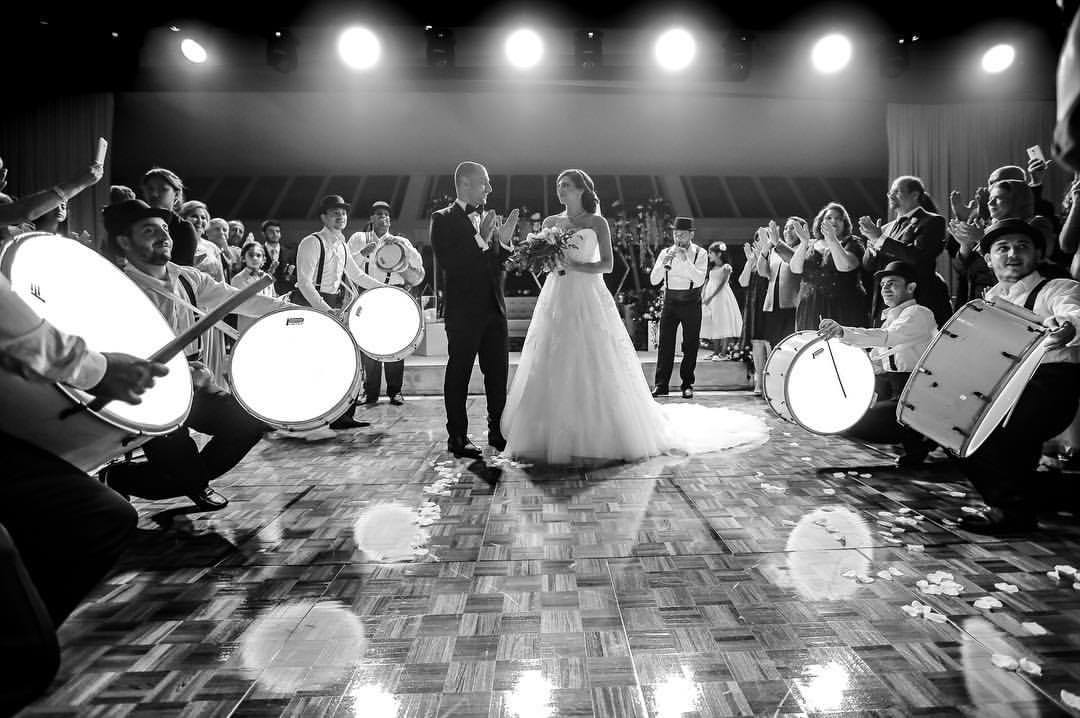
The nikah is the essential religious contract. Civil registration usually follows to satisfy legal requirements. A zaffa procession announces the wedding, featuring drums and dabkeh dancing in the Levant. In Egypt, couples sit on a raised dais called a kosha. Guests drink sharbat to honor them. The couple switches rings to their left hands to begin the festivities. Entertainment includes singers or DJs depending on the family's preferences.
Feast and modern changes
Receptions feature lavish buffets reflecting the families' wealth. Cake cutting and bouquet tossing have been adopted into local traditions. Strict Muslim households may separate genders during dances. Celebratory gunfire occurs in some areas but causes safety concerns. Customs adapt to urban life while maintaining core elements like family approval and religious contracts. The practice varies significantly between rural villages and modern cities.
How Arab wedding is kept
Families arrange meetings to assess compatibility. The groom's side formally requests the bride's hand through the Tulba. An engagement party follows with ring exchanges. A henna night brings women together for decoration and singing. The nikah ceremony seals the religious bond. A zaffa procession leads the couple to the reception. Guests dance and share a feast. Strict families observe gender separation during entertainment.
When and where
The custom spans from matchmaking through the reception. Key events include the Tulba, engagement, henna night, nikah, and reception. Dates are set by family agreement and religious calendars. The timeline varies by region and community tradition.
The custom is practiced across the Arab world. It is prominent in Egypt, Iraq, Palestine, Jordan, Syria, and Yemen. Regional variations exist within countries. Rural areas maintain older Bedouin-style traditions. Urban centers adopt more modern elements like DJs and cakes.
What Arab wedding means
Consent ensures the marriage is valid. Henna provides protection and joy. The zaffa announces the union to the community. Ring switching marks the start of married life. Feasts demonstrate generosity and social standing. Gender separation maintains modesty in strict households. The kosha elevates the couple as guests of honor.
Who takes part
- The parents: Arrange matches and give permission
- The groom's family: Make the formal request and host parts of the celebration
- The bride's family: Receive the request and host the henna night
- The officiant: Conduct the nikah ceremony
- The musicians: Lead the zaffa procession and provide entertainment
- The guests: Attend the feast and offer congratulations
If you are a guest
Guests attend the engagement and reception parties. They wear formal clothing appropriate for the occasion. At the reception, they drink sharbat offered to the couple. Guests watch the dancing and join in the celebration. They may offer money gifts to the family. Strict households require separate seating for men and women.
Then and now
Urban weddings incorporate Western elements like cake cutting. DJs replace traditional musicians in some venues. Consanguineous marriages remain high in certain countries. Safety concerns have led to criticism of celebratory gunfire. Families balance modern entertainment with religious modesty requirements. The core structure of family approval and religious contract remains stable.
On the wedding table
- Sharbat: A sweet drink passed to guests when the couple sits on the dais
- Wedding cake: Cut by the couple during the reception festivities
- Buffet dishes: Salads, meats, stews, and sweets served to guests at the reception
Symbols: The ring Henna Garlands and flowers The wedding cake Wine and the shared cup Bread


Questions people ask about Arab wedding
When is Arab wedding kept?
Arab wedding is kept on throughout the wedding timeline from engagement to reception.
What is the most important part of an Arab wedding?
The nikah is the only mandatory Islamic requirement. It establishes the religious contract between the couple. Other events like henna nights and receptions are cultural additions. Civil registration is also typically required by law.
How do families choose a spouse?
Parents look for modesty, good behavior, and compatible family backgrounds. Consanguineous marriages are common in many regions. The couple often meets with chaperones to assess compatibility. Urban families may allow private agreement before formal requests.
What happens at a henna night?
Women gather to apply henna designs to the bride's hands and feet. They sing traditional music and dance. The groom's family may present gold to the bride. Modern versions include food and drinks similar to a bachelorette party.
Is there a specific dress code?
Brides and grooms often wear matching colors during engagements. Traditional attire includes embroidered gowns for women and thobes for men. Strict Muslim households require modest clothing. Women cover their shoulders at the end of parties in conservative settings.
See also
 Jewish weddingThe ceremony and laws that bind a couple in Jewish marriage, from the canopy to the glass.
 Assyrian weddingMarriage ceremonies blending ancient Assyrian rites with modern cultural practices among the Assyrian people.
 DabkeA Levantine line dance performed at weddings to celebrate union and community.UlulationA high-pitched trilling sound made by women to celebrate weddings and share good news across many cultures.
Good reading and sources
The facts on this page come from the Wikipedia article "Arab wedding", written by its contributors and used under the CC BY-SA 4.0 licence, and from its Wikidata record (CC0). EveryShaadi rewrote the text in its own words, with AI assistance, and compares every page with the article to make sure no passage is copied. It may be reused under the same CC BY-SA 4.0 licence with a link back.
It may contain mistakes. Wedding customs differ from one family, village and community to the next, and the people who keep them know them best. If something is wrong, tell us. Last refreshed 2026-10-05.
More from Egypt
All the traditions of Egypt 🇪🇬 Cairo, EgyptTahtibتحطيب (taḥṭīb)
A traditional Egyptian stick-fighting martial art that evolved into a folk dance performed at weddings and celebrations.Performance · The weeks before
🇪🇬 Cairo, EgyptTahtibتحطيب (taḥṭīb)
A traditional Egyptian stick-fighting martial art that evolved into a folk dance performed at weddings and celebrations.Performance · The weeks before
 🇪🇬 Egypt and 4 moreWaist beads
Strands of glass or seed worn around the hips to mark womanhood and track body changes in West and North Africa.Adornment · Engagement and betrothal
🇪🇬 Egypt and 4 moreWaist beads
Strands of glass or seed worn around the hips to mark womanhood and track body changes in West and North Africa.Adornment · Engagement and betrothal
The same idea elsewhere
Arranged marriage, matchmaking and choosing a partner compared 🇦🇿 AzerbaijanAzerbaijani wedding traditionsAzərbaycanın toy adətləri
The multi-step family rituals of Azerbaijani weddings, from matchmaking to the henna night.Rite · Finding a match
🇦🇿 AzerbaijanAzerbaijani wedding traditionsAzərbaycanın toy adətləri
The multi-step family rituals of Azerbaijani weddings, from matchmaking to the henna night.Rite · Finding a match
 🇮🇷 Tehran, Iran and 1 moreIranian weddingمراسم عروسی در ایران
A multi-stage ceremony rooted in Zoroastrianism and Islam that binds families through courtship, feasts, and sacred vowsRite · Finding a match
🇮🇳 IndiaTelugu Hindu weddingతెలుగు వివాహ వేడుక
A multi-day Telugu Hindu marriage marked by seven vows around fire and family rituals.Rite · Finding a match
🇮🇳 IndiaZoroastrian wedding
A Zoroastrian marriage ceremony featuring hand-fastening, rice sprinkling, and shared meals.Rite · Engagement and betrothal
🇮🇷 Tehran, Iran and 1 moreIranian weddingمراسم عروسی در ایران
A multi-stage ceremony rooted in Zoroastrianism and Islam that binds families through courtship, feasts, and sacred vowsRite · Finding a match
🇮🇳 IndiaTelugu Hindu weddingతెలుగు వివాహ వేడుక
A multi-day Telugu Hindu marriage marked by seven vows around fire and family rituals.Rite · Finding a match
🇮🇳 IndiaZoroastrian wedding
A Zoroastrian marriage ceremony featuring hand-fastening, rice sprinkling, and shared meals.Rite · Engagement and betrothal