Matchmaking, courtship and engagementSouth AsiaMuslim
Watta satta
In its own language: وٹّا سٹّا / شغار
A reciprocal marriage arrangement where two families swap brides to bind households and manage domestic tensions.
Watta satta is an exchange marriage custom found in Pakistan and Afghanistan. It involves the simultaneous union of relatives from two different households, creating a system of mutual accountability between the families involved.
When is Watta satta kept?
Watta satta is kept during arranged marriage negotiations.
Watta satta is a form of exchange marriage practiced primarily in rural Pakistan and Afghanistan. Two families agree to marry their children to each other simultaneously. This creates a bond of mutual obligation and serves as a mechanism to control domestic behavior through reciprocal pressure.
How the practice works
The core of watta satta is the simultaneous marriage of a brother and sister from one household to a sister and brother from another. This often involves cousins or uncle-niece pairs. The arrangement binds the two clans together through blood ties on both sides. In Pakistan, this practice is deeply endogamous. Most marriages occur within the same village or tribe. Over three-quarters of these unions involve blood relatives, with first-cousin marriages being the most common preference. The structure ensures that both families remain closely linked socially and geographically.
Social rationale and effects
Scholars suggest this custom emerged in areas with low incomes and weak legal systems. Families use it to prevent divorce and reduce financial disputes over dowries or bride prices. The system creates a balance of power. If a husband mistreats his wife, he risks retaliation against his own sister in the other household. This mutual threat can deter abuse. However, it can also lead to cycles of violence if conflicts escalate. The arrangement limits the ability of women to leave unhappy marriages because doing so would harm their siblings.
Legal status and criticism
The practice faces significant legal challenges. In May 2026, the Rajasthan High Court in India ruled against such exchanges involving minors. The court described the custom as gender coercion and familial extortion. Judges noted that endurance under compulsion is not consent. They stated that no social practice can override constitutional rights or statutory protections for free consent in marriage. The ruling highlighted how the system commodifies children and entrenches patriarchal control, suppressing individual agency in favor of family interests.
How Watta satta is kept
Two families negotiate a double wedding. A brother and sister from Family A marry a sister and brother from Family B at the same time. The unions are typically arranged by parents or elders. The couples are often close blood relatives, such as first cousins. The ceremony solidifies the alliance between the two clans. Both sets of parents gain in-laws who are also their own kin. The arrangement creates a permanent link between the households, ensuring that the welfare of one family is tied to the treatment of the other.
When and where
It occurs during the matchmaking and betrothal stages. The date is set when both families agree to the terms. There is no specific calendar season. The timing depends entirely on the negotiation process between the two households. Once agreed, the weddings happen simultaneously to ensure the reciprocal obligations are established immediately.
The custom is strongest in rural parts of northwest and west Pakistan. It is prevalent in tribal regions and agrarian societies. Over thirty percent of all marriages in these areas follow this pattern. It is also observed in Afghanistan among Muslim communities. Smaller instances appear in Yemen, Mali, and Saudi Arabia, though it is less dominant there.
What Watta satta means
The practice symbolizes a binding contract between families rather than just individuals. It represents a strategy for survival in economically precarious environments. By exchanging daughters, families create a system of checks and balances. The mutual hostage-taking is intended to enforce peace and stability. It reflects a worldview where community security relies on interconnected kinship networks rather than state institutions.
Who takes part
- Parents: Negotiate the terms and arrange the simultaneous marriages
- Brothers: Marry sisters from the opposing family
- Sisters: Marry brothers from the opposing family
- Elders: Oversee the agreement and ensure clan compliance
Then and now
The practice remains widespread in rural Pakistan despite legal opposition. Critics argue it perpetuates gender inequality and limits women's autonomy. Legal rulings have begun to challenge its validity, particularly when minors are involved. However, social pressure and economic factors continue to sustain the custom in many communities.
Questions people ask about Watta satta
When is Watta satta kept?
Watta satta is kept during arranged marriage negotiations.
What is watta satta?
It is an exchange marriage where two families swap brides and grooms simultaneously. A brother and sister from one family marry a sister and brother from another. This creates a mutual bond of accountability between the households.
Where is it practiced?
It is most common in rural Pakistan and Afghanistan. You can also find it in parts of Yemen, Mali, and Saudi Arabia. In Pakistan, it accounts for over thirty percent of marriages in some tribal regions.
Is it legal?
It operates in a complex legal space. While not explicitly banned everywhere, courts like the Rajasthan High Court have ruled against it in 2026. They stated that no custom can override constitutional rights or the requirement for free consent in marriage.
Why do families choose it?
Families use it to prevent divorce and avoid dowry disputes. It creates a system of mutual deterrence against domestic abuse. If one husband mistreats his wife, his own sister may face similar treatment, encouraging better behavior.
See also
 MayianThe turmeric paste ceremony held the day before Punjabi weddings in India and Pakistan.
 SvayamvaraThe ancient Hindu ceremony where a princess picks her husband from assembled suitors
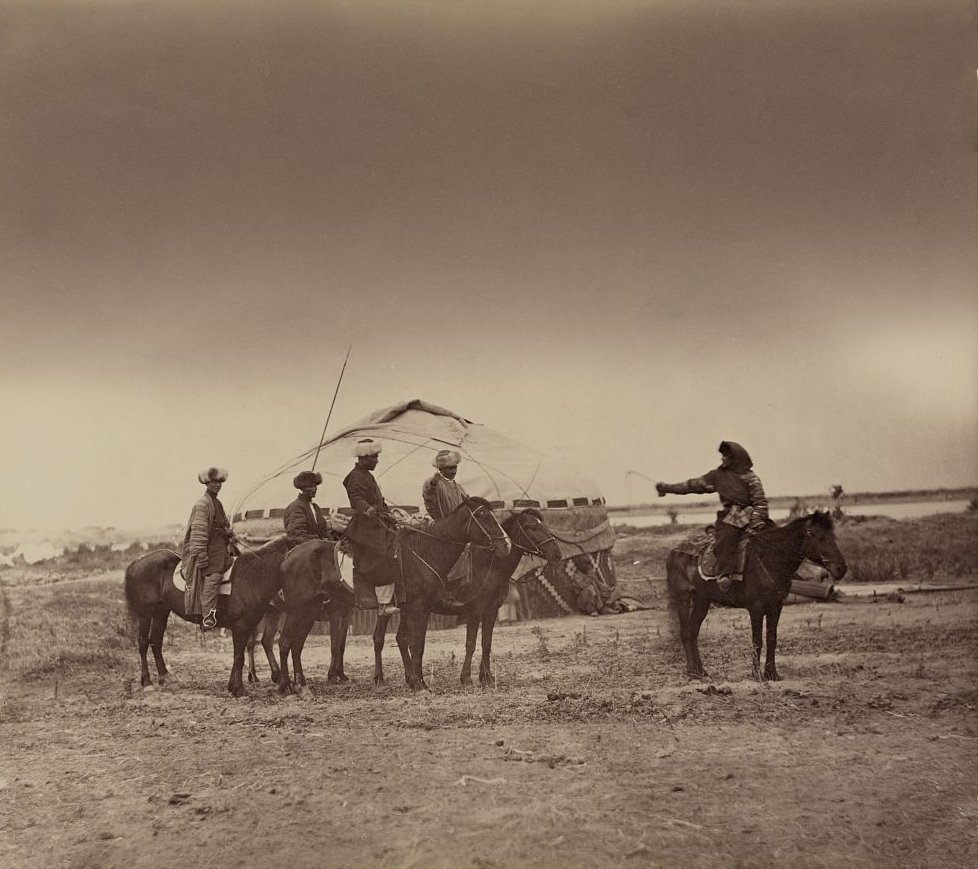 Ala kachuuA Kyrgyz custom of taking a woman for marriage, ranging from consensual elopement to forced abduction.LeblouhThe forced fattening of girls to improve their marriage prospects, a harmful practice
Good reading and sources
- ‘Mutual hostage-taking’: Why Rajasthan HC criticised state’s ‘atta satta’ marriage customThe Indian Express, Article
- ‘Mutual hostage-taking’: Why Rajasthan HC criticised state’s ‘atta satta’ marriage customThe Indian Express, Article
The facts on this page come from the Wikipedia article "Watta satta", written by its contributors and used under the CC BY-SA 4.0 licence, and from its Wikidata record (CC0). EveryShaadi rewrote the text in its own words, with AI assistance, and compares every page with the article to make sure no passage is copied. It may be reused under the same CC BY-SA 4.0 licence with a link back.
It may contain mistakes. Wedding customs differ from one family, village and community to the next, and the people who keep them know them best. If something is wrong, tell us. Last refreshed 2026-10-05.
More from Pakistan
All the traditions of Pakistan 🇵🇰 Hunza, PakistanMayoon
A pre-wedding seclusion period in Pakistan where the bride stays away from her groom for up to two weeks.Betrothal · The weeks before
🇵🇰 Hunza, PakistanMayoon
A pre-wedding seclusion period in Pakistan where the bride stays away from her groom for up to two weeks.Betrothal · The weeks before
 🇬🇷 Greece and 2 moreEngagement party
A gathering to announce a new engagement and introduce the two families before the wedding.Betrothal · Engagement and betrothal
🇬🇷 Greece and 2 moreEngagement party
A gathering to announce a new engagement and introduce the two families before the wedding.Betrothal · Engagement and betrothal
 🇮🇳 India and 2 moreArranged marriage in the Indian subcontinent
The family-led matchmaking process that shapes most marriages across South Asia.Betrothal · Finding a match
🇮🇳 India and 2 moreArranged marriage in the Indian subcontinent
The family-led matchmaking process that shapes most marriages across South Asia.Betrothal · Finding a match
 🇵🇬 Papua New Guinea and 5 moreSister exchange
A marriage arrangement where two brothers each take a sister from the other family as their wife.Betrothal · Finding a match
🇵🇬 Papua New Guinea and 5 moreSister exchange
A marriage arrangement where two brothers each take a sister from the other family as their wife.Betrothal · Finding a match
The same idea elsewhere
Arranged marriage, matchmaking and choosing a partner compared 🇰🇪 Kenya and 1 moreAyie
The Luo bride price ceremony where the mother accepts payment and agrees to the marriage.Gift custom · Engagement and betrothal
🇺🇿 UzbekistanPolygamy in Uzbekistan
The practice of men taking multiple wives in a country where the law strictly forbids it.Modern · Engagement and betrothal
🇰🇪 KenyaRecognition of same-sex unions in Kenya
The legal ban on gay marriage alongside traditional female-to-female unions that persist in some communities.Vow · Engagement and betrothal
🇰🇪 Kenya and 1 moreAyie
The Luo bride price ceremony where the mother accepts payment and agrees to the marriage.Gift custom · Engagement and betrothal
🇺🇿 UzbekistanPolygamy in Uzbekistan
The practice of men taking multiple wives in a country where the law strictly forbids it.Modern · Engagement and betrothal
🇰🇪 KenyaRecognition of same-sex unions in Kenya
The legal ban on gay marriage alongside traditional female-to-female unions that persist in some communities.Vow · Engagement and betrothal