Games, humour and mock resistanceSoutheast Asia
Punnuk
A post-harvest tug of war held in the Hapao River to ensure a plentiful rice harvest.

Punnuk is a traditional tug-of-war competition practiced by the Tuwali-speaking people of Hungduan in Ifugao, Philippines. Held in the Hapao River after the harvest, it marks the end of one farming cycle and the start of another.
When is Punnuk kept?
Punnuk is kept on after the completion of the harvest.
Punnuk is a traditional tug-of-war ritual from the Philippines. It is performed by the Tuwali-speaking communities of Hungduan, Ifugao. The event takes place in the Hapao River. It signals the close of the farming year. Participants believe the outcome affects their future rice stores.
The river setting
The competition occurs in the Hapao River. This waterway flows from Mount Alawitan and Mount Polis. Tributaries from Mount Kapiligan also feed the river. The event is specific to three barangays: Hapao Proper, Nungulunan, and Baang. These areas are known for their stone-walled terraced ricefields. The river serves as the natural arena for the contest.
How the game works
Two groups stand on opposite banks of the current. They use a pakid, which is a stem from an attoba tree. This tool has a root that hooks onto the tinaggu. The tinaggu is a figure made of bundled rice stalks and vines. It often looks like a scarecrow or a monitor lizard. Teams pull this object across the water. The first group to drag the tinaggu to their side wins.
Meaning and participants
Traditionally, only men participate in the river tug. Women cheer from the banks. In 2012, a separate tug-of-war for women was held. The result carries spiritual weight. Winners believe their rice granaries will stay full. Losers fear their harvest will be consumed quickly. The ritual formally closes the agricultural cycle. It prepares the community for the next planting season.
How Punnuk is kept
Two teams face each other across the Hapao River. Each side uses an attoba tree stem to hook a rice-stalk figure called a tinaggu. They pull the object toward their bank. The first team to move the tinaggu wins. Traditionally, men pull while women watch. The event happens after the harvest is finished.
When and where
It takes place after the harvest is complete. This timing marks the end of the farming year. It signals the start of a new agricultural cycle.
The custom is kept in Hungduan, Ifugao, Philippines. Specific barangays include Hapao Proper, Nungulunan, and Baang. The action happens in the Hapao River.
What Punnuk means
Winning ensures a full rice granary. Losing means the harvest will be eaten early. The ritual connects the physical effort to spiritual prosperity. It guarantees food security for the coming year.
Who takes part
- Men: Pull the tinaggu across the river
- Women: Cheer for the participants
If you are a guest
Guests watch from the riverbanks. They support the competing groups. Their presence validates the community effort. No specific gifts or attire are required.
Then and now
The practice remains active in Hungduan. A women-only version was introduced in 2012. This change expanded participation beyond the traditional male-only format.
On the wedding table
Symbols: Rice and grain Water and washing
Questions people ask about Punnuk
When is Punnuk kept?
Punnuk is kept on after the completion of the harvest.
What is Punnuk?
Punnuk is a tug-of-war ritual from the Philippines. It involves pulling a rice-stalk figure across a river. It is practiced by Tuwali-speaking people in Ifugao.
Who participates?
Traditionally, men pull the rope. Women cheer from the banks. A women-only version was added in 2012.
See also
 Red envelopeA gift of money in a red paper sleeve exchanged at weddings and holidays to bring good luck.
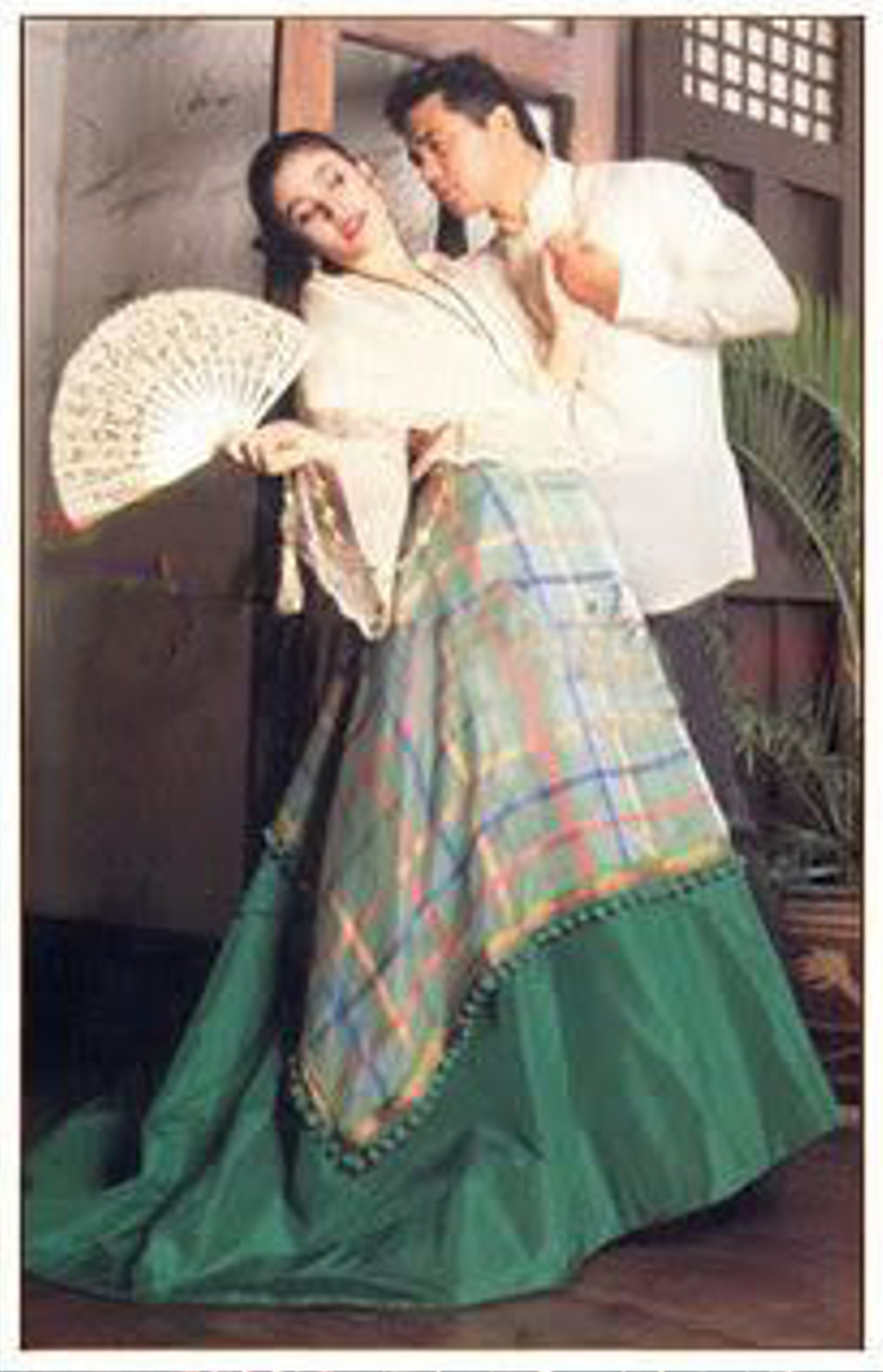 Courtship in the PhilippinesA traditional Filipino courtship marked by serenade, service, and family involvement.
 Kyz kuuA horse race where a man chases a woman to win a kiss or faces her whip if he failsLa víbora de la marA wedding game where the couple stands on chairs while guests form a snake to test their unity.
Good reading and sources
The facts on this page come from the Wikipedia article "Punnuk", written by its contributors and used under the CC BY-SA 4.0 licence, and from its Wikidata record (CC0). EveryShaadi rewrote the text in its own words, with AI assistance, and compares every page with the article to make sure no passage is copied. It may be reused under the same CC BY-SA 4.0 licence with a link back.
It may contain mistakes. Wedding customs differ from one family, village and community to the next, and the people who keep them know them best. If something is wrong, tell us. Last refreshed 2026-10-06.
More from the Philippines
All the traditions of the Philippines 🇰🇭 Cambodia and 3 moreTugging rituals and games
A rope-pulling game played across Southeast and East Asia to mark the farming season and build community bonds.Play · The weeks before
🇨🇳 China and 6 moreRed envelope红包 (hóngbāo)
A gift of money in a red paper sleeve exchanged at weddings and holidays to bring good luck.Gift custom · The wedding feast
🇵🇭 Cebu, PhilippinesCourtship in the Philippines
A traditional Filipino courtship marked by serenade, service, and family involvement.Betrothal · Finding a match
🇰🇭 Cambodia and 3 moreTugging rituals and games
A rope-pulling game played across Southeast and East Asia to mark the farming season and build community bonds.Play · The weeks before
🇨🇳 China and 6 moreRed envelope红包 (hóngbāo)
A gift of money in a red paper sleeve exchanged at weddings and holidays to bring good luck.Gift custom · The wedding feast
🇵🇭 Cebu, PhilippinesCourtship in the Philippines
A traditional Filipino courtship marked by serenade, service, and family involvement.Betrothal · Finding a match
 🇪🇸 Madrid, Spain and 5 moreTwelve Grapeslas doce uvas (de la suerte)
Eating one grape per midnight bell strike to welcome the New Year with good luckFeast custom · After the wedding
🇪🇸 Madrid, Spain and 5 moreTwelve Grapeslas doce uvas (de la suerte)
Eating one grape per midnight bell strike to welcome the New Year with good luckFeast custom · After the wedding
The same idea elsewhere
Luck, omens and protection on the day compared 🇲🇰 Galičnik, North MacedoniaGaličnik Wedding FestivalГаличка свадба (Galička svadba)
A recreated traditional wedding in a North Macedonian village that turns a local rite into an annual festival.Feast custom · The ceremony
🇲🇰 Galičnik, North MacedoniaGaličnik Wedding FestivalГаличка свадба (Galička svadba)
A recreated traditional wedding in a North Macedonian village that turns a local rite into an annual festival.Feast custom · The ceremony
 🇮🇳 Chandigarh, IndiaBhangra
A vigorous Punjabi folk dance performed to the beat of a dhol drum during harvest celebrations.Performance · Reception, dance and gifts
🇮🇳 Chandigarh, IndiaBhangra
A vigorous Punjabi folk dance performed to the beat of a dhol drum during harvest celebrations.Performance · Reception, dance and gifts
 🇪🇬 Egypt and 5 moreMizmarمزمار (mizmār)
A loud double reed instrument played at weddings and festivals across Egypt and the Levant.Performance · Procession and arrival
🇪🇬 Egypt and 5 moreMizmarمزمار (mizmār)
A loud double reed instrument played at weddings and festivals across Egypt and the Levant.Performance · Procession and arrival
 🇨🇱 Santiago, Chile and 3 moreCueca
A courtship dance from Chile and the Andes where couples trace circles with handkerchiefs to reenact a rooster and hen.Performance · The eve
🇨🇱 Santiago, Chile and 3 moreCueca
A courtship dance from Chile and the Andes where couples trace circles with handkerchiefs to reenact a rooster and hen.Performance · The eve