Feasts, food and drinkMiddle EastJewish
Seudat nissuin
In its own language: Seudat nissuin (סעודת נישואין)
The Jewish wedding meal blessed with wine and bread, followed by seven days of celebration.
A seudat nissuin is the traditional Jewish wedding feast. Observant Jews consider it a religious duty to host a joyful reception for the couple. The meal includes specific blessings and is often followed by a week-long period of daily gatherings known as sheva brachot.
When is Seudat nissuin kept?
Seudat nissuin is kept on immediately after the wedding ceremony.
The seudat nissuin serves as the central wedding feast in Jewish tradition. It transforms a simple meal into a sacred obligation by incorporating specific prayers and communal joy. This gathering marks the official start of the marriage celebration and sets the tone for the subsequent days of honor.
Order of the meal
The event follows a strict sequence of rituals. First, the newlyweds receive formal blessings. The host then blesses the kosher wine and the challah bread that will be served during the gathering. After the main course concludes, guests recite Birkat Hamazon, the grace after meals. This is immediately followed by the Sheva Brachot, a series of seven blessings. The celebration typically ends with the couple dancing together.
Duration and repetition
A standard seudat nissuin initiates a seven-day period called sheva brachot. During this week, the couple hosts or attends a new meal each day, repeating the blessing cycle. If either partner has been married before, the duration shortens to three days. In these cases, the full set of blessings is only performed on the first day of the shortened celebration.
Religious origins
Jewish texts provide deep roots for this custom. Rabbinic literature describes Adam and Eve enjoying their first meal together, served by angels. Christian writings also reference similar feasts, such as Jesus turning water into wine at Cana. These stories frame the wedding meal as a moment of divine presence and historical continuity within both faith traditions.
How Seudat nissuin is kept
The couple stands while receiving initial blessings. The host blesses the wine and challah. Guests eat the meal. Birkat Hamazon is recited. Sheva Brachot are sung. The couple dances. This cycle repeats for seven days if it is the first marriage.
When and where
It occurs right after the wedding ceremony. It lasts one day initially but triggers a seven-day celebration period. If remarried, it lasts three days.
Primarily kept within Jewish communities globally. Israel is a major center for this observance. The meal takes place in homes or event halls suitable for large gatherings.
What Seudat nissuin means
The feast represents a mitzvah, a commandment to bring joy. Sharing wine and bread symbolizes unity and sustenance. The repeated blessings highlight the sanctity of the union. Dancing signifies public happiness and community support for the new marriage.
Who takes part
- The newlyweds: Receive blessings and lead the dance
- The host: Blesses the wine and bread
- Guests: Recite grace after meals and join the celebration
If you are a guest
Guests attend the meal and participate in the recitation of Birkat Hamazon. They witness the Sheva Brachot blessings. Their presence validates the joy of the occasion. They may return for subsequent days of the sheva brachot period.
Then and now
The practice remains strong among observant Jews. The seven-day structure continues to be widely observed. Remarriages follow the three-day variation. The custom adapts to modern venues while keeping the core rituals intact.
On the wedding table
- Challah: Blessed and shared during the meal
- Kosher wine: Blessed and consumed as part of the ritual
Symbols: Wine and the shared cup Bread Breaking glass and plates
Questions people ask about Seudat nissuin
When is Seudat nissuin kept?
Seudat nissuin is kept on immediately after the wedding ceremony.
What is a seudat nissuin?
It is the Jewish wedding feast. It is a religious duty to host a joyful reception. The meal includes blessings over wine and bread. It marks the celebration of the marriage.
What are the key rituals?
The couple receives blessings. The host blesses the wine and challah. Guests say Birkat Hamazon. The Sheva Brachot are recited. The couple dances to close the segment.
See also
 WimpelA linen sash made from a baby boy's circumcision cloth that binds the Torah scroll.
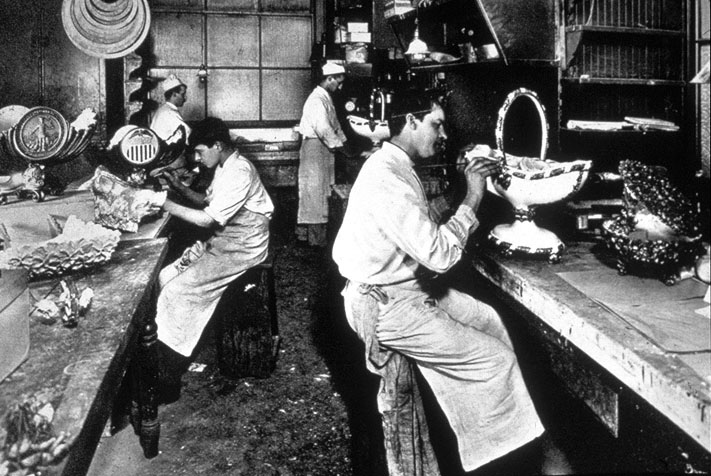 Pièce montéeA sculptural French dessert centerpiece made of nougat, sugar, and pastry for wedding banquets.
 QuaichA shallow two-handled cup used in Scottish weddings to share a drink and symbolise union.
Good reading and sources
The facts on this page come from the Wikipedia article "Seudat nissuin", written by its contributors and used under the CC BY-SA 4.0 licence, and from its Wikidata record (CC0). EveryShaadi rewrote the text in its own words, with AI assistance, and compares every page with the article to make sure no passage is copied. It may be reused under the same CC BY-SA 4.0 licence with a link back.
It may contain mistakes. Wedding customs differ from one family, village and community to the next, and the people who keep them know them best. If something is wrong, tell us. Last refreshed 2026-10-05.
More from Israel
All the traditions of Israel
🇩🇪 Hamburg, Germany and 3 moreWimpelווימפל
A linen sash made from a baby boy's circumcision cloth that binds the Torah scroll.Adornment · The weeks before
 🇮🇱 IsraelMazel tovמזל טוב
The Jewish phrase said to congratulate someone on a happy occasion or good fortune.Blessing · The ceremony
🇮🇱 IsraelMazel tovמזל טוב
The Jewish phrase said to congratulate someone on a happy occasion or good fortune.Blessing · The ceremony
 🇮🇱 Jerusalem, Israel and 3 moreJewish wedding
The ceremony and laws that bind a couple in Jewish marriage, from the canopy to the glass.Rite · Engagement and betrothal
🇮🇱 Jerusalem, Israel and 3 moreJewish wedding
The ceremony and laws that bind a couple in Jewish marriage, from the canopy to the glass.Rite · Engagement and betrothal
The same idea elsewhere
Vows, contracts and witnesses compared 🇬🇪 Georgia and 1 moreTamadaთამადა
The toastmaster who leads the Georgian supra and sets the rhythm of a wedding feast.Feast custom · The wedding feast
🇬🇪 Georgia and 1 moreTamadaთამადა
The toastmaster who leads the Georgian supra and sets the rhythm of a wedding feast.Feast custom · The wedding feast
 🇮🇳 IndiaChaklong wedding
The traditional Ahom marriage system involving rice powder mandalas and ancestral rituals.Rite · Finding a match
🇮🇳 IndiaTelugu Hindu weddingతెలుగు వివాహ వేడుక
A multi-day Telugu Hindu marriage marked by seven vows around fire and family rituals.Rite · Finding a match
🇮🇳 IndiaChaklong wedding
The traditional Ahom marriage system involving rice powder mandalas and ancestral rituals.Rite · Finding a match
🇮🇳 IndiaTelugu Hindu weddingతెలుగు వివాహ వేడుక
A multi-day Telugu Hindu marriage marked by seven vows around fire and family rituals.Rite · Finding a match
 🇷🇺 RussiaRussian wedding traditionsРусская свадьба
A multi-day celebration blending Orthodox crowning, ransom games, and lively toasting in Russia.Rite · Engagement and betrothal
🇷🇺 RussiaRussian wedding traditionsРусская свадьба
A multi-day celebration blending Orthodox crowning, ransom games, and lively toasting in Russia.Rite · Engagement and betrothal