Feasts, food and drinkCentral Asia and the Caucasus
Tamada
In its own language: თამადა
The toastmaster who leads the Georgian supra and sets the rhythm of a wedding feast.

A tamada is the toastmaster at a Georgian supra or wedding feast. This role guides the toasts, manages the pace of drinking, and maintains unity among guests through eloquent speech and leadership.
When is Tamada kept?
Tamada is kept during the feast.
The tamada serves as the toastmaster for a Georgian supra, guiding the flow of conversation and drinking. This leader ensures that every guest participates in the communal bonding process through structured toasts. The role requires strong speaking skills and emotional intelligence to keep the atmosphere harmonious.
Role and duties
The tamada acts as the central figure at the table, directing when to drink and what topics to discuss. He bridges the gap between past ancestors and future generations by proposing specific toasts. Guests follow his lead, developing on his ideas rather than creating independent ones. The tamada must be quick-witted and humorous to handle any interruptions or competing speakers from the audience.
Selection process
For small gatherings, the host naturally assumes the role without formal selection. Large events like weddings require advance planning where the family chooses a respected relative or friend known for their eloquence. At medium-sized tables, the attendees themselves vote for the candidate. The chosen person is toasted by the group before officially starting his duties.
Required qualities
A successful tamada possesses excellent verbal skills and can improvise poetry on the spot. He must sense the mood of the room and adjust the pace of drinking accordingly. Sensitivity is crucial to draw out quiet guests and maintain unity. While he must drink with everyone, he avoids becoming visibly intoxicated to preserve his authority and clarity of thought throughout the evening.
How Tamada is kept
The tamada stands or sits at the head of the table to propose the first toast, usually honoring himself if nominated by others. Guests then raise their glasses in unison. He introduces subsequent themes, such as family, history, or individual guests. Participants respond with their own remarks, but only after the tamada initiates the topic. He controls the rhythm, deciding when to pause for singing or dancing.
When and where
This custom occurs during the feast portion of a wedding or social gathering. It begins immediately after seating and continues until the event concludes. The timing of each toast depends entirely on the tamada's judgment of the group's energy levels.
The practice is deeply rooted in Georgian culture and extends into neighboring regions like Azerbaijan. It takes place at supras, which are traditional feasts held in homes or banquet halls. The setting is always centered around a large dining table where wine is served.
What Tamada means
Toasting honors the individuals present and strengthens social bonds. By praising specific traits like honesty or generosity, the tamada encourages positive behavior within the community. The act of drinking together symbolizes unity and shared experience. The tamada connects the living guests with their ancestors and descendants through these ritualized speeches.
Who takes part
- The tamada: Proposes all toasts and manages the flow of the feast
- The host: May nominate the tamada or assume the role in small groups
- Guests: Listen to toasts, offer comments, and drink in unison
- Family elders: Often select the tamada for large formal occasions
If you are a guest
Guests must listen attentively to the tamada's proposals before speaking. They raise their glasses simultaneously when instructed and drink quickly during the initial toast to the leader. Everyone expects to receive a personal toast highlighting their best qualities, which they should accept graciously.
Then and now
Historically, the tamada had stricter control over guest behavior, including permission to leave the table. Modern supras have relaxed these rules, allowing more freedom for attendees. However, the core requirement for eloquence and leadership remains essential for the role today.
On the wedding table


Questions people ask about Tamada
When is Tamada kept?
Tamada is kept during the feast.
What is a tamada?
A tamada is the toastmaster at a Georgian supra or wedding feast. He leads the toasts, manages the drinking pace, and ensures all guests participate in the communal celebration through guided speeches and rituals.
How is a tamada chosen?
For small dinners, the host takes the role. For weddings, the family selects an eloquent relative or friend in advance. At smaller gatherings, the guests vote for someone capable. The chosen person is toasted before starting.
Can anyone propose a toast?
No. Only the tamada can introduce a new toast theme. Guests may elaborate on his ideas or compete with original remarks, but they cannot start a new topic without his invitation or approval.
What happens if the tamada refuses?
If the selected candidate declines, the group proposes another person. This continues until someone accepts the responsibility. The refusal is rare because the role carries significant social prestige and respect.
See also
 KartuliA romantic Georgian wedding dance where the couple dances apart without touching.
 Bride kidnappingThe abduction of a woman or girl by a man who wishes to marry her, ranging from consensual elopement to violent coercion
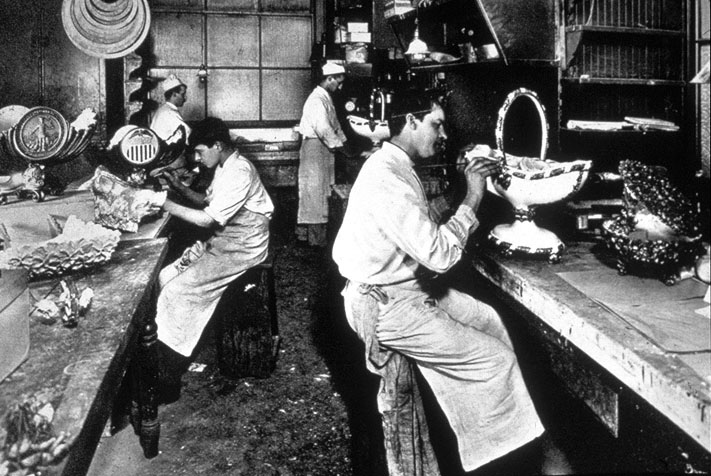 Pièce montéeA sculptural French dessert centerpiece made of nougat, sugar, and pastry for wedding banquets.
 QuaichA shallow two-handled cup used in Scottish weddings to share a drink and symbolise union.
Good reading and sources
- Tamada on WikipediaEncyclopedia
- More photos on Wikimedia CommonsPhotos and video
- Wikidata recordOpen data
The facts on this page come from the Wikipedia article "Tamada", written by its contributors and used under the CC BY-SA 4.0 licence, and from its Wikidata record (CC0). EveryShaadi rewrote the text in its own words, with AI assistance, and compares every page with the article to make sure no passage is copied. It may be reused under the same CC BY-SA 4.0 licence with a link back.
It may contain mistakes. Wedding customs differ from one family, village and community to the next, and the people who keep them know them best. If something is wrong, tell us. Last refreshed 2026-10-05.
More from Georgia
All the traditions of Georgia
🇬🇪 Tbilisi, GeorgiaKartuliქართული ცეკვა
A romantic Georgian wedding dance where the couple dances apart without touching.Performance · Reception, dance and gifts
🇰🇬 Kyrgyzstan and 5 moreBride kidnapping
The abduction of a woman or girl by a man who wishes to marry her, ranging from consensual elopement to violent coercionBetrothal · Engagement and betrothal
The same idea elsewhere
Vows, contracts and witnesses compared 🇮🇳 IndiaChaklong wedding
The traditional Ahom marriage system involving rice powder mandalas and ancestral rituals.Rite · Finding a match
🇮🇳 IndiaChaklong wedding
The traditional Ahom marriage system involving rice powder mandalas and ancestral rituals.Rite · Finding a match
 🇧🇩 Bangladesh and 1 moreBengali Muslim weddingবাঙালি মুসলিম বিয়ে
A multi-day Bengali Muslim marriage blending Islamic rites with local folk traditions.Rite · The weeks before
🇧🇩 Bangladesh and 1 moreBengali Muslim weddingবাঙালি মুসলিম বিয়ে
A multi-day Bengali Muslim marriage blending Islamic rites with local folk traditions.Rite · The weeks before
 🇷🇺 RussiaRussian wedding traditionsРусская свадьба
A multi-day celebration blending Orthodox crowning, ransom games, and lively toasting in Russia.Rite · Engagement and betrothal
🇷🇺 RussiaRussian wedding traditionsРусская свадьба
A multi-day celebration blending Orthodox crowning, ransom games, and lively toasting in Russia.Rite · Engagement and betrothal
 🇮🇳 IndiaOdia Hindu weddingBahaghara (ଓଡ଼ିଆ ବାହାଘର)
The traditional Hindu marriage ceremony of the Odia people in Odisha, India.Rite · Engagement and betrothal
🇮🇳 IndiaOdia Hindu weddingBahaghara (ଓଡ଼ିଆ ବାହାଘର)
The traditional Hindu marriage ceremony of the Odia people in Odisha, India.Rite · Engagement and betrothal