Matchmaking, courtship and engagement
How a match is found, asked for and agreed: matchmakers, rings of promise, the first visit.
Before the wedding comes the finding and the asking: a matchmaker consulted, a horoscope compared, a family visit made, a ring or a gift given to seal the promise. Betrothal customs differ more than almost anything else in the wedding, because they depend on who decides: the couple, the parents, or both.
Who chooses
In Japan the omiai was an arranged first meeting with photographs and a go-between, called a nakodo. In India families still use biodata, community matrimonial pages and horoscope matching, and many marriages are arranged with the consent of both sides. In Western countries most couples meet on their own and the proposal is the key moment, often with a ring. In Jewish communities a shadchan may suggest a match, and in parts of the Gulf a mother or aunt might first visit the family on the bride's behalf.
Marking the promise
Betrothal has its own rites. In Punjab the roka and the shagun mark the families' agreement. In Greece the engagement is blessed by a priest and rings are exchanged. In Iran the khastegari is a formal visit in which the groom's family asks for the bride, and tea is served as a signal. In the Ottoman tradition and across Turkey the groom's family visits to ask, and the bride may serve coffee with salt as a test of good humour. Each of these is a stage in which the families get to know each other.
What is changing
Online dating and matrimonial apps have joined older channels. Many families who still arrange marriages now allow months of conversation before a decision. Engagement parties, proposal videos and social media announcements have also spread far beyond the West. At the same time, some communities have moved against engagement customs that pressured the bride's family for gifts.
Written by the EveryShaadi desk with AI assistance. Background on Matchmaking, courtship and engagement (kind of custom). Customs differ from place to place and family to family. If this is your tradition and we have it wrong, tell us.
 🇳🇱 NetherlandsPoffer
The elaborate white headdress worn by married women in the Netherlands to mark their status.Attire · Engagement and betrothal
🇷🇴 Romania and 1 morePerinița
A Romanian circle dance where a pillow marks the last partner dance for unmarried youth before a wedding.Performance · The eve
🇽🇰 Kosovo and 2 morePodruga
A second wife brought into the home to bear children when the first marriage is childless.Family role · Engagement and betrothal
🇳🇱 NetherlandsPoffer
The elaborate white headdress worn by married women in the Netherlands to mark their status.Attire · Engagement and betrothal
🇷🇴 Romania and 1 morePerinița
A Romanian circle dance where a pillow marks the last partner dance for unmarried youth before a wedding.Performance · The eve
🇽🇰 Kosovo and 2 morePodruga
A second wife brought into the home to bear children when the first marriage is childless.Family role · Engagement and betrothal
 🇵🇱 Poland and 3 moreŚmigus-Dyngus
The Easter Monday water splashing and willow whipping tradition of Central EuropeRite · The weeks before
🇵🇱 Poland and 3 moreŚmigus-Dyngus
The Easter Monday water splashing and willow whipping tradition of Central EuropeRite · The weeks before
 🇩🇰 Denmark and 5 moreWidow conservationÄnkekonservering
A Protestant custom where a new vicar married his predecessor's widow to secure her support.Betrothal · Engagement and betrothal
🇩🇰 Denmark and 5 moreWidow conservationÄnkekonservering
A Protestant custom where a new vicar married his predecessor's widow to secure her support.Betrothal · Engagement and betrothal
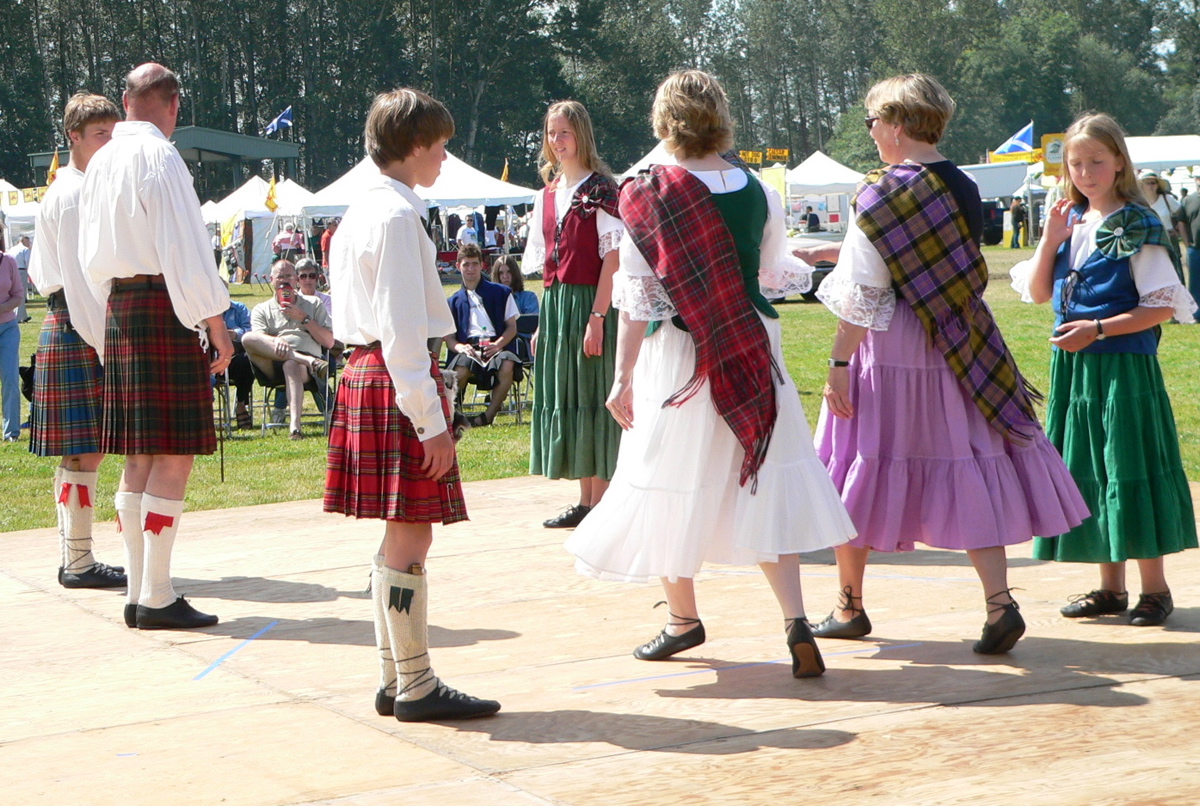 🇬🇧 Edinburgh, United Kingdom and 5 moreScottish country dance
A social group dance where couples trace progressive patterns to traditional Scottish musicPerformance · Reception, dance and gifts
🇬🇧 Edinburgh, United Kingdom and 5 moreScottish country dance
A social group dance where couples trace progressive patterns to traditional Scottish musicPerformance · Reception, dance and gifts
 🇬🇧 United KingdomDebutante dress
The strict white gown and feathered headdress worn by young women at their debutante cotillion.Attire · The weeks before
🇬🇧 United KingdomDebutante dress
The strict white gown and feathered headdress worn by young women at their debutante cotillion.Attire · The weeks before
Photo credits on this page
The small pictures above come from Wikimedia Commons under free licences. Some are cropped to fit.
- Śmigus-Dyngus: Nationwide Specialty Co., Arlington, Texas -- In Buffalo, N.Y., Stanle, CC BY 3.0, source
- Poffer: Unknown author, Public domain, source
- Widow conservation: Keith Ruffles, CC BY 3.0, source
- Scottish country dance: © James F. Perry, CC BY-SA 3.0, source
- Debutante dress: State Library of Queensland, Australia, No restrictions, source