Matchmaking, courtship and engagement
How a match is found, asked for and agreed: matchmakers, rings of promise, the first visit.
Before the wedding comes the finding and the asking: a matchmaker consulted, a horoscope compared, a family visit made, a ring or a gift given to seal the promise. Betrothal customs differ more than almost anything else in the wedding, because they depend on who decides: the couple, the parents, or both.
Who chooses
In Japan the omiai was an arranged first meeting with photographs and a go-between, called a nakodo. In India families still use biodata, community matrimonial pages and horoscope matching, and many marriages are arranged with the consent of both sides. In Western countries most couples meet on their own and the proposal is the key moment, often with a ring. In Jewish communities a shadchan may suggest a match, and in parts of the Gulf a mother or aunt might first visit the family on the bride's behalf.
Marking the promise
Betrothal has its own rites. In Punjab the roka and the shagun mark the families' agreement. In Greece the engagement is blessed by a priest and rings are exchanged. In Iran the khastegari is a formal visit in which the groom's family asks for the bride, and tea is served as a signal. In the Ottoman tradition and across Turkey the groom's family visits to ask, and the bride may serve coffee with salt as a test of good humour. Each of these is a stage in which the families get to know each other.
What is changing
Online dating and matrimonial apps have joined older channels. Many families who still arrange marriages now allow months of conversation before a decision. Engagement parties, proposal videos and social media announcements have also spread far beyond the West. At the same time, some communities have moved against engagement customs that pressured the bride's family for gifts.
Written by the EveryShaadi desk with AI assistance. Background on Matchmaking, courtship and engagement (kind of custom). Customs differ from place to place and family to family. If this is your tradition and we have it wrong, tell us.
 🇮🇷 Iran and 5 moreNikahنِكَاح (nikāḥ)
The Islamic marriage contract that binds a couple through mutual consent and a mandatory gift.Rite · Engagement and betrothal
🇮🇱 Jerusalem, IsraelTu B'Avט״ו באב
A minor Jewish holiday in Israel that serves as a popular day for weddings and matchmaking.Betrothal · Finding a match
🇾🇪 Yemen and 4 moreKafa'ahالكفاءة (al-kafā'ah)
The Islamic legal principle of social equivalence required for a valid marriage contractVow · Finding a match
 🇮🇷 Iran and 2 moreNoghlنقل (Persian), نقل (Dari), ملبس (Arabic)
Sugar-coated almonds served as a sweet treat and showered on the couple during Iranian and Afghan weddings.Feast custom · The wedding feast
 🇮🇱 Jerusalem, Israel and 3 moreJewish wedding
The ceremony and laws that bind a couple in Jewish marriage, from the canopy to the glass.Rite · Engagement and betrothal
 🇮🇱 IsraelErusinאירוסין
The first part of a traditional Jewish marriage that sanctifies the couple before the final ceremony.Betrothal · Engagement and betrothal
🇮🇷 Iran and 5 moreNikah mut'ahنكاح المتعة
A private contract for a fixed-term marriage practiced in Twelver Shia Islam.Vow · Engagement and betrothal
 🇮🇱 Israel and 2 moreKetubahכְּתוּבָּה
The Jewish marriage contract that outlines the groom's financial and personal duties to his bride.Vow · Engagement and betrothal
🇮🇱 Israel and 1 moreBaháʼí marriage
A spiritual union requiring parental consent and a fixed dowry, centered on the recitation of specific vows.Vow · Finding a match
🇮🇱 Jerusalem, Israel and 5 moreJewish prenuptial agreement
A contract signed before marriage to ensure a Jewish divorce document is granted if one spouse refuses.Vow · Engagement and betrothal
 🇸🇾 Syria and 3 moreAssyrian wedding
Marriage ceremonies blending ancient Assyrian rites with modern cultural practices among the Assyrian people.Rite · Finding a match
🇮🇱 Jerusalem, Israel and 4 moreAgunahעֲגוּנָה (Agunah)
A Jewish woman trapped in a marriage because her husband has not granted a religious divorce document known as a get.Vow · After the wedding
 🇮🇷 Iran and 1 moreIranian weddingمراسم عروسی در ایران
A multi-stage celebration rooted in Zoroastrian tradition and adapted by Islamic customs across Iran.Rite · Finding a match
🇮🇶 Baghdad, IraqWedding traditions in Iraq
A structured sequence of arranged matches, religious vows, and family feasts across Iraqi communities.Betrothal · Finding a match
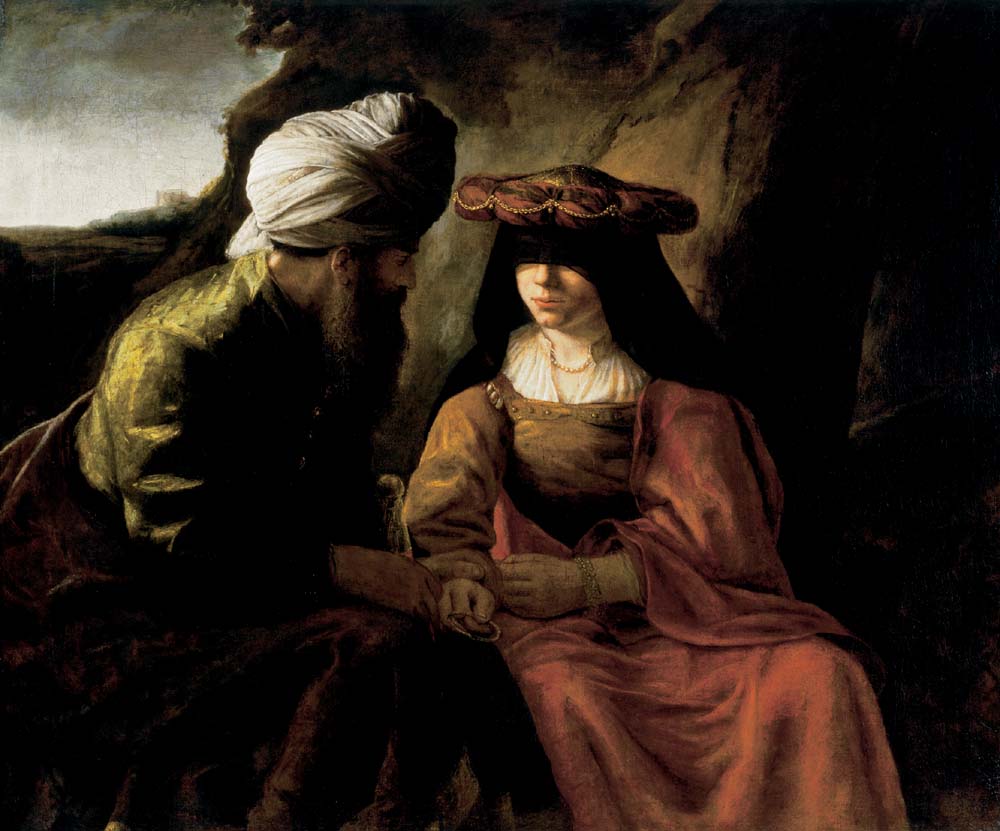 🇮🇱 Israel and 1 moreYibbumייבום
A Jewish rite where a brother marries his childless deceased brother's widow to provide an heir.Betrothal · Engagement and betrothal
🇮🇱 IsraelKallahYarchei Kallah (Hebrew: ירחי כלה)
A biannual gathering for Torah study and marriage law held by Babylonian Jewish scholars in Adar and Elul.Betrothal · The weeks before
🇮🇱 Israel and 5 moreLevirate marriage
A custom where a man marries his deceased brother's widow to protect her and keep the family line intact.Betrothal · After the wedding
🇸🇦 Saudi Arabia and 5 moreCousin marriage in the Middle East
A traditional practice of marrying close relatives, especially paternal cousins, across Middle Eastern communities.Betrothal · Finding a match
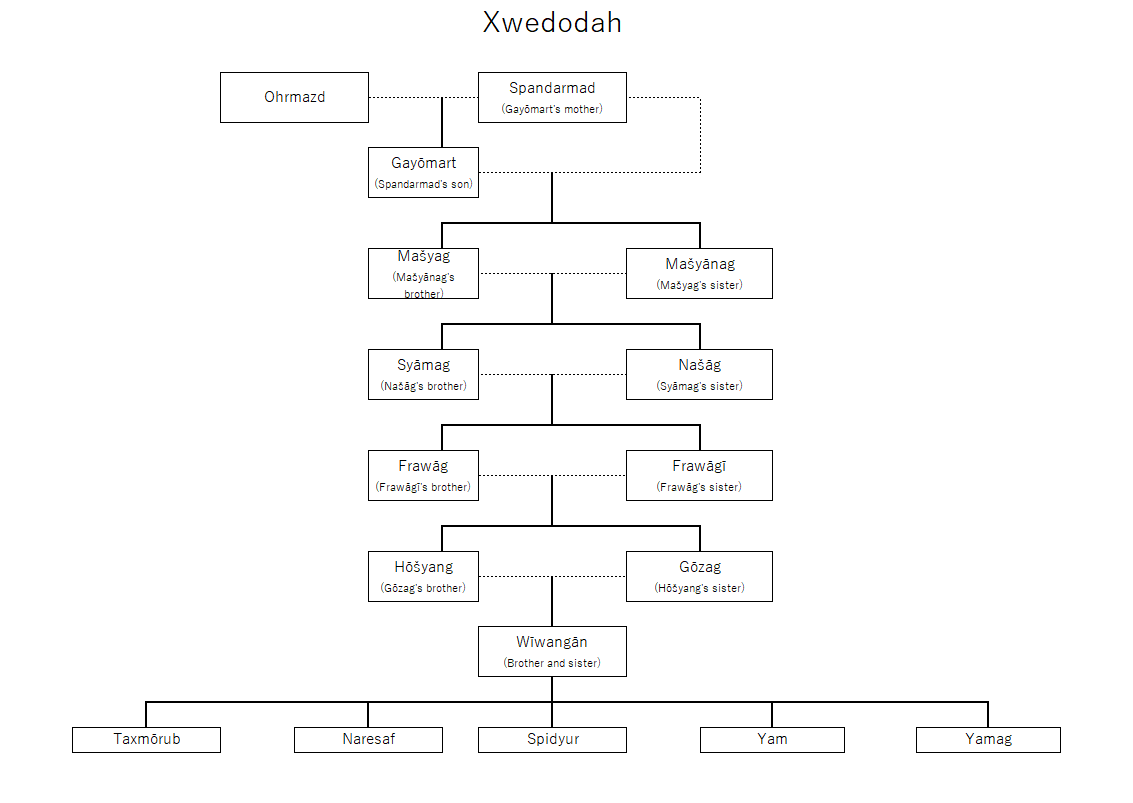 🇮🇷 Iran and 3 moreXwedodahxwidōdāh
A Zoroastrian rite of close-kin marriage rooted in ancient cosmology and royal tradition.Betrothal · Engagement and betrothal
🇮🇱 IsraelIsha katlanitאישה קטלנית
A Jewish legal concept regarding a widow who has lost two husbands and the risks associated with her remarrying.Vow · Engagement and betrothal
Photo credits on this page
The small pictures above come from Wikimedia Commons under free licences. Some are cropped to fit.
- Assyrian wedding: Yucalyptus, CC0, source
- Iranian wedding: Flickr.com user "avlxyz", CC BY-SA 2.0, source
- Jewish wedding: Jozef Israëls, Public domain, source
- Noghl: Taxman, CC BY-SA 3.0, source
- Xwedodah: Dageoa, CC BY-SA 4.0, source
- Erusin: LGJMS, CC BY-SA 4.0, source
- Yibbum: School of Rembrandt, Public domain, source
- Nikah: عامر شاہین, CC BY-SA 3.0, source
- Ketubah: Unknown author, Public domain, source