Jewish wedding traditions
A Jewish wedding is built around the chuppah, the ketubah and the seven blessings, and the breaking of the glass.
A Jewish wedding is built around the chuppah, the ketubah and the seven blessings, and the breaking of the glass. The details vary between Orthodox, Conservative, Reform and Reconstructionist communities, and between Ashkenazi, Sephardi, Mizrahi and other traditions.
Core elements
The ketubah is a marriage contract that sets out the husband's obligations to the wife. It is signed by two witnesses before the ceremony. Under the chuppah, a canopy, the groom gives the bride a ring, and the sheva brachot, the seven blessings, are recited over a cup of wine. The couple may be walked in by their parents. At the end the groom, or both partners in some communities, breaks a glass, a gesture often linked to remembering the destruction of the Temple.
Differences between communities
Orthodox weddings keep the bride and groom apart in the week before, include a bedeken, the veiling of the bride, and often separate seating for men and women. Reform and Conservative weddings may include both partners giving rings, women as witnesses and officiants, and in the case of some Reform rabbis, same-sex or interfaith couples. Mizrahi and Sephardi communities may add henna nights, as among Moroccan and Yemenite Jews, and elaborate costume such as the Yemenite bridal dress.
Before and after
Many grooms are called to the Torah in an aufruf the Sabbath before. After the wedding the couple spend time alone in the yichud room, and the seven blessings are repeated for the week afterwards. Weddings are not held on Sabbath or most festivals, nor during the Omer in many communities, and weeks around Tisha B'Av. The agunah problem, where a woman cannot obtain a divorce, is still a live concern for rabbis, and some couples add a prenuptial agreement.
Written by the EveryShaadi desk with AI assistance. Background on Jewish (faith). Customs differ from place to place and family to family. If this is your tradition and we have it wrong, tell us.
 🇮🇱 Jerusalem, Israel and 3 moreJewish wedding
The ceremony and laws that bind a couple in Jewish marriage, from the canopy to the glass.Rite · Engagement and betrothal
🇮🇱 Jerusalem, Israel and 3 moreJewish wedding
The ceremony and laws that bind a couple in Jewish marriage, from the canopy to the glass.Rite · Engagement and betrothal
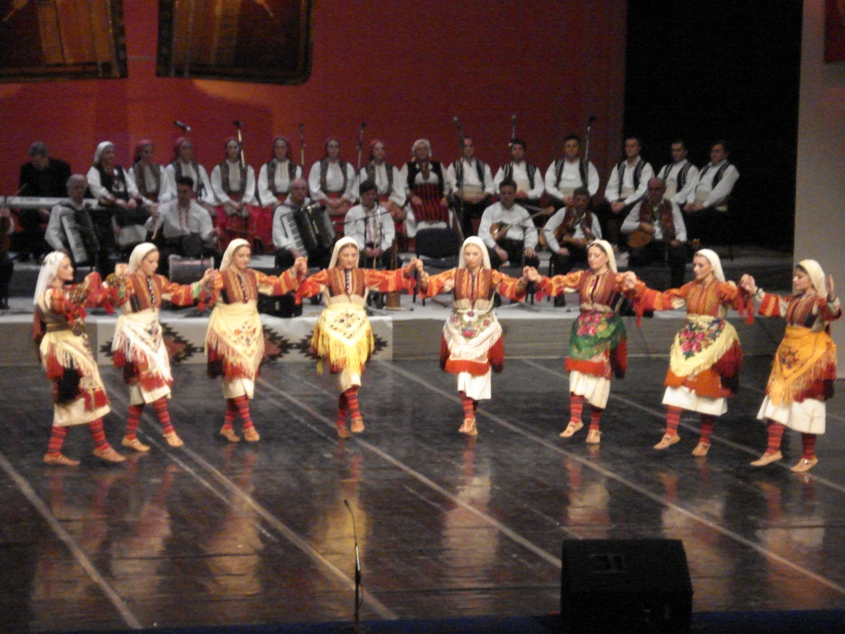 🇷🇴 Romania and 7 moreHorahora (Romanian), horo (Bulgarian), oro (Macedonian), horah (Hebrew)
A circle dance held at weddings across Southeast Europe and among Jewish communities worldwide.Performance · Reception, dance and gifts
🇷🇴 Romania and 7 moreHorahora (Romanian), horo (Bulgarian), oro (Macedonian), horah (Hebrew)
A circle dance held at weddings across Southeast Europe and among Jewish communities worldwide.Performance · Reception, dance and gifts
 🇷🇺 Russia and 5 moreBread and salt
A traditional welcome offering of bread and salt to guests or newlyweds in Slavic, Baltic, and Balkan cultures.Feast custom · The weeks before
🇪🇬 Egypt and 1 moreWedding music
The songs and instruments that mark the arrival of the couple and set the mood for the celebration.Performance · The weeks before
🇷🇺 Russia and 5 moreBread and salt
A traditional welcome offering of bread and salt to guests or newlyweds in Slavic, Baltic, and Balkan cultures.Feast custom · The weeks before
🇪🇬 Egypt and 1 moreWedding music
The songs and instruments that mark the arrival of the couple and set the mood for the celebration.Performance · The weeks before
 🇬🇷 Greece and 2 moreEngagement party
A gathering to announce a new engagement and introduce the two families before the wedding.Betrothal · Engagement and betrothal
🇬🇷 Greece and 2 moreEngagement party
A gathering to announce a new engagement and introduce the two families before the wedding.Betrothal · Engagement and betrothal
 🇮🇱 Israel and 2 moreSheva Brachotשבע ברכות
The seven blessings recited during Jewish weddings and the subsequent festive week.Blessing · The ceremony
🇮🇱 IsraelKallahYarchei Kallah (Hebrew: ירחי כלה)
A biannual gathering for Torah study and marriage law held by Babylonian Jewish scholars in Adar and Elul.Betrothal · The weeks before
🇮🇱 Israel and 2 moreSheva Brachotשבע ברכות
The seven blessings recited during Jewish weddings and the subsequent festive week.Blessing · The ceremony
🇮🇱 IsraelKallahYarchei Kallah (Hebrew: ירחי כלה)
A biannual gathering for Torah study and marriage law held by Babylonian Jewish scholars in Adar and Elul.Betrothal · The weeks before
 🇬🇧 United Kingdom and 5 moreWedding superstitions
Traditional beliefs about luck and omens that shape wedding rituals across culturesAttire · The weeks before
🇬🇧 United Kingdom and 5 moreWedding superstitions
Traditional beliefs about luck and omens that shape wedding rituals across culturesAttire · The weeks before
 🇲🇦 Morocco and 5 moreMimounaמימונה (Hebrew), ميمونة (Arabic)
The Maghrebi Jewish feast held the day after Passover to welcome leavened bread and good fortune.Feast custom · After the wedding
🇲🇦 Morocco and 5 moreMimounaמימונה (Hebrew), ميمونة (Arabic)
The Maghrebi Jewish feast held the day after Passover to welcome leavened bread and good fortune.Feast custom · After the wedding
 🇷🇴 Romania and 5 moreKlezmerקלעזמער
The instrumental dance music played by Ashkenazi Jewish musicians at weddings in Eastern Europe and beyondPerformance · Engagement and betrothal
🇷🇴 Romania and 5 moreKlezmerקלעזמער
The instrumental dance music played by Ashkenazi Jewish musicians at weddings in Eastern Europe and beyondPerformance · Engagement and betrothal
 🇷🇴 Romania and 5 moreKlezmerקלעזמער
The instrumental wedding music of Ashkenazi Jews, blending Eastern European and Jewish ritual melodies.Performance · Engagement and betrothal
🇷🇴 Romania and 5 moreKlezmerקלעזמער
The instrumental wedding music of Ashkenazi Jews, blending Eastern European and Jewish ritual melodies.Performance · Engagement and betrothal
 🇮🇱 Jerusalem, IsraelBirkat Hamazonבִּרְכַּת הַמָּזוׂן (Birkat Hamazon)
The Hebrew blessings recited after a Jewish meal to thank God for the food and the land.Blessing · After the wedding
🇮🇱 Jerusalem, IsraelBirkat Hamazonבִּרְכַּת הַמָּזוׂן (Birkat Hamazon)
The Hebrew blessings recited after a Jewish meal to thank God for the food and the land.Blessing · After the wedding
Photo credits on this page
The small pictures above come from Wikimedia Commons under free licences. Some are cropped to fit.
- Sheva Brachot: מנחם יוסיפון, CC0, source
- Klezmer: Syrena Records (Warsaw), Public domain, source
- Hora: Chajeshukarie ( talk ), Public domain, source
- Mimouna: U.S. Embassy Tel Aviv, CC BY-SA 2.0, source
- Bread and salt: Olli Niemitalo, CC0, source
- Birkat Hamazon: Peggy Greb, USDA ARS, Public domain, source
- Jewish wedding: Jozef Israëls, Public domain, source
- Wedding superstitions: Anonymous Unknown author, Public domain, source
- Klezmer: Unknown artist identified as "M.D.", Public domain, source
- Engagement party: Melissa Gupta, CC BY-SA 2.0, source