Jewish wedding traditions
A Jewish wedding is built around the chuppah, the ketubah and the seven blessings, and the breaking of the glass.
A Jewish wedding is built around the chuppah, the ketubah and the seven blessings, and the breaking of the glass. The details vary between Orthodox, Conservative, Reform and Reconstructionist communities, and between Ashkenazi, Sephardi, Mizrahi and other traditions.
Core elements
The ketubah is a marriage contract that sets out the husband's obligations to the wife. It is signed by two witnesses before the ceremony. Under the chuppah, a canopy, the groom gives the bride a ring, and the sheva brachot, the seven blessings, are recited over a cup of wine. The couple may be walked in by their parents. At the end the groom, or both partners in some communities, breaks a glass, a gesture often linked to remembering the destruction of the Temple.
Differences between communities
Orthodox weddings keep the bride and groom apart in the week before, include a bedeken, the veiling of the bride, and often separate seating for men and women. Reform and Conservative weddings may include both partners giving rings, women as witnesses and officiants, and in the case of some Reform rabbis, same-sex or interfaith couples. Mizrahi and Sephardi communities may add henna nights, as among Moroccan and Yemenite Jews, and elaborate costume such as the Yemenite bridal dress.
Before and after
Many grooms are called to the Torah in an aufruf the Sabbath before. After the wedding the couple spend time alone in the yichud room, and the seven blessings are repeated for the week afterwards. Weddings are not held on Sabbath or most festivals, nor during the Omer in many communities, and weeks around Tisha B'Av. The agunah problem, where a woman cannot obtain a divorce, is still a live concern for rabbis, and some couples add a prenuptial agreement.
Written by the EveryShaadi desk with AI assistance. Background on Jewish (faith). Customs differ from place to place and family to family. If this is your tradition and we have it wrong, tell us.
 🇩🇪 Hamburg, Germany and 3 moreWimpelווימפל
A linen sash made from a baby boy's circumcision cloth that binds the Torah scroll.Adornment · The weeks before
🇮🇱 IsraelSeudat nissuinSeudat nissuin (סעודת נשואין)
The joyful wedding meal that observant Jews eat after the ceremony to fulfill a religious duty.Feast custom · The ceremony
 🇺🇸 United States and 3 moreMatchmaking
The practice of pairing people for marriage through intermediaries, ranging from professional brokers to community clergBetrothal · Finding a match
 🇮🇱 IsraelErusinאירוסין
The first part of a traditional Jewish marriage that sanctifies the couple before the final ceremony.Betrothal · Engagement and betrothal
 🇫🇷 France and 5 moreProxy marriage
A ceremony where one or both partners are absent and represented by another person.Vow · The ceremony
 🇷🇺 Moscow, Russia and 5 moreBread and salt
A traditional welcome offering of bread and salt given to guests or newlyweds in Slavic, Baltic, and Balkan cultures.Feast custom · The ceremony
🇮🇱 Jerusalem, Israel and 5 moreJewish prenuptial agreement
A contract signed before marriage to ensure a Jewish divorce document is granted if one spouse refuses.Vow · Engagement and betrothal
 🇺🇸 United States and 5 moreInterfaith marriage in Judaism
The practice and legal status of a Jewish person marrying someone of another faith within Jewish tradition.Vow · Engagement and betrothal
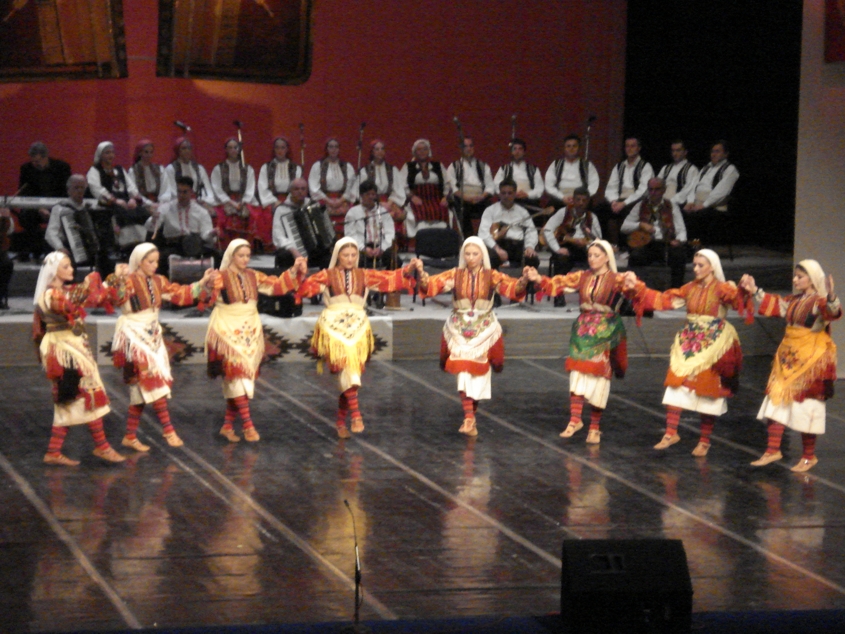 🇷🇴 Romania and 7 moreHorahora (Romanian), horo (Bulgarian), oro (Macedonian), horah (Hebrew)
A circle dance held at weddings across Southeast Europe and among Jewish communities worldwide.Performance · Reception, dance and gifts
🇮🇱 Jerusalem, Israel and 4 moreAgunahעֲגוּנָה (Agunah)
A Jewish woman trapped in a marriage because her husband has not granted a religious divorce document known as a get.Vow · After the wedding
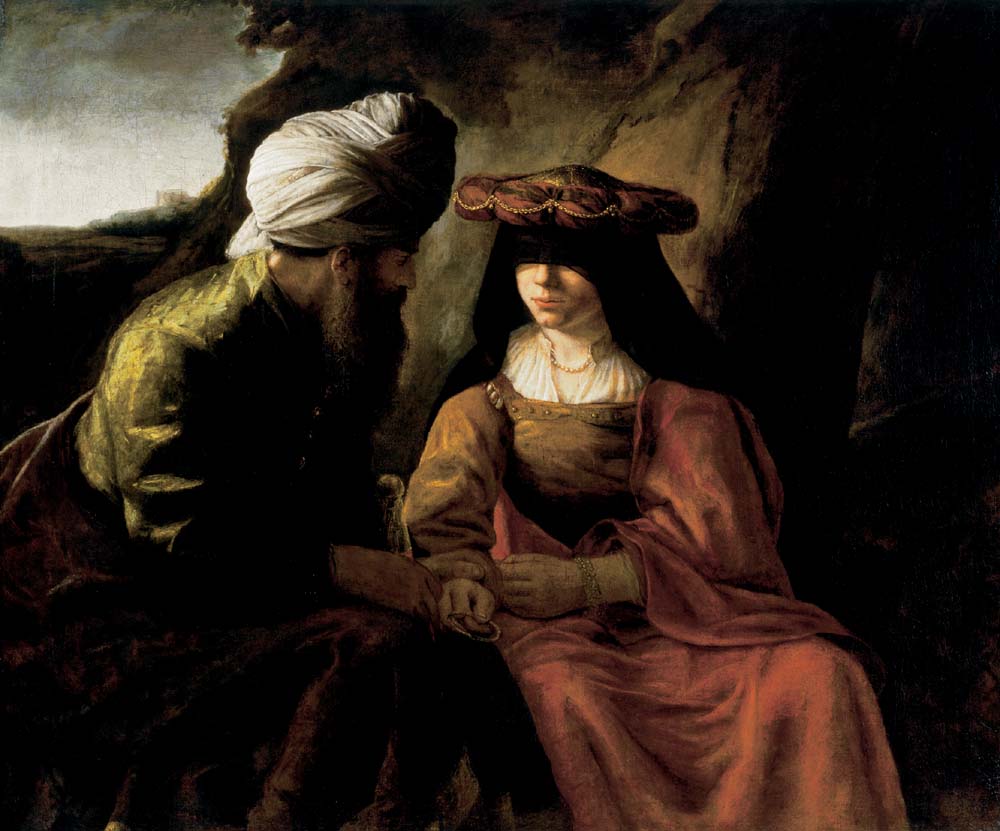 🇮🇱 Israel and 1 moreYibbumייבום
A Jewish rite where a brother marries his childless deceased brother's widow to provide an heir.Betrothal · Engagement and betrothal
 🇵🇱 Poland and 1 moreBadchenבּדחן (badkhn)
The Ashkenazi Jewish wedding entertainer and master of ceremonies who guides the couple through ritual stages with song Performance · Engagement and betrothal
 🇬🇷 Greece and 2 moreEngagement party
A gathering to announce a new engagement and introduce the two families before the wedding.Betrothal · Engagement and betrothal
 🇺🇸 United States and 5 moreInterfaith marriage
A union between spouses of different faiths, navigating legal and religious boundaries across the world.Vow · Engagement and betrothal
🇮🇱 Israel and 5 moreLevirate marriage
A custom where a man marries his deceased brother's widow to protect her and keep the family line intact.Betrothal · After the wedding
🇨🇳 China and 5 morePosthumous marriageminghun
A union performed when one or both partners have died, kept in parts of Asia and permitted by law in a few nations.Betrothal · After the wedding
🇧🇹 Bhutan and 5 moreSororate marriage
A practice where a man marries his late or infertile wife's sister to keep family ties strong.Family role · After the wedding
 🇮🇳 India and 5 moreWedding veil
A cloth covering the head or face worn by brides and grooms to mark marriage.Attire · The ceremony
🇮🇱 Israel and 2 moreHeter meah rabbanimהיתר מאה רבנים
A rare exemption allowing a man to remarry when his wife refuses a Jewish divorce.Vow · After the wedding
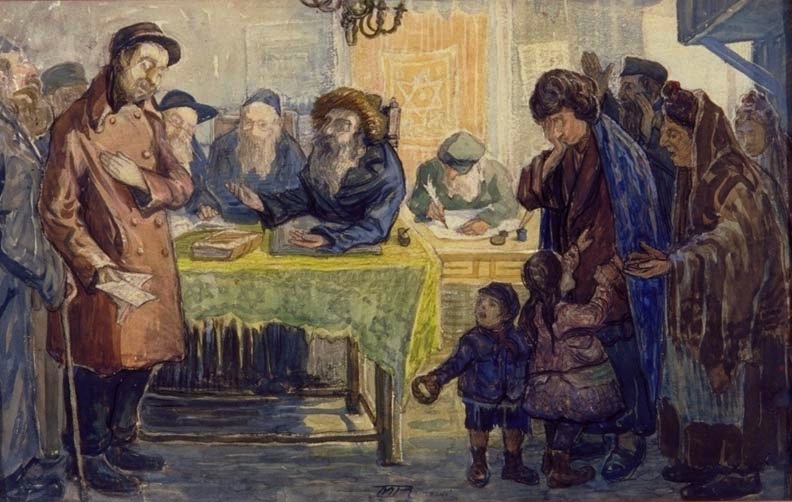 🇮🇱 IsraelGetגט
The Aramaic divorce document that frees a Jewish woman to remarryVow · After the wedding
🇩🇪 Germany and 2 moreGet of Cleves
A disputed 1766 Jewish divorce document that sparked international rabbinic debate over mental competence.Vow · After the wedding
🇸🇦 Saudi Arabia and 5 moreCousin marriage in the Middle East
A traditional practice of marrying close relatives, especially paternal cousins, across Middle Eastern communities.Betrothal · Finding a match
🇿🇲 ZambiaPolygamy in Zambia
A legal form of marriage allowing one man to have multiple wives under customary law.Family role · Engagement and betrothal
 🇩🇪 Germany and 3 moreHerem of Rabbeinu GershomḤerem de-Rabbeinu Gershom
Medieval ordinances that banned polygyny and forced divorce for Ashkenazi Jews.Vow · Engagement and betrothal
🇮🇱 Israel and 1 moreLieberman clause
A ketubah provision for rabbinic arbitration to prevent a woman from being unable to remarry.Vow · Engagement and betrothal
 🇮🇱 IsraelSeudat mitzvahסעודת מצוה
The obligatory festive meals in Judaism that mark religious milestones and sacred days.Feast custom · The ceremony
Photo credits on this page
The small pictures above come from Wikimedia Commons under free licences. Some are cropped to fit.
- Bread and salt: Olli Niemitalo, CC0, source
- Interfaith marriage in Christianity: Andreas Praefcke, CC BY 3.0, source
- Interfaith marriage in Judaism: Rembrandt, Public domain, source
- Seudat mitzvah: Unknown author, Public domain, source
- Hora: Chajeshukarie ( talk ), Public domain, source
- Wimpel: Wikipedia Loves Art participant " The_Grotto ", CC BY-SA 2.5, source
- Matchmaking: Pavel Fedotov, Public domain, source
- Erusin: LGJMS, CC BY-SA 4.0, source
- Wedding veil: David Ring, CC0, source
- Yibbum: School of Rembrandt, Public domain, source
- Badchen: Unknown author, Public domain, source
- Engagement party: Melissa Gupta, CC BY-SA 2.0, source
- Get: Moshe Rynecki (1881-1943), Public domain, source
- Herem of Rabbeinu Gershom: Nixnubix, CC BY-SA 4.0, source
- Proxy marriage: Alejandro Cicarelli, Public domain, source