Wedding traditions with the colour white
White is so tied to the Western wedding that many people think it is the only wedding colour.
White is so tied to the Western wedding that many people think it is the only wedding colour. The custom is more recent and more varied than that, and white has a different meaning in other parts of the world.
How white became the fashion
Queen Victoria wore white lace at her wedding to Prince Albert in 1840, and the picture spread through magazines and department stores. White was a sign of wealth, since it was hard to keep clean, and later a symbol of purity, though the claim that white always stood for virginity is a modern simplification. Before that, brides wore their best dress in any colour.
White in other cultures
In Japan the shiromuku is white to show a bride who is ready to take on the colours of her husband's house. In many Buddhist and Chinese communities white is the colour of mourning, and a white wedding dress may be worn only for the photographs. In India some communities, such as Kerala Christians and Parsi brides, wear white or cream. In Western Christianity white is also the colour of baptism.
Written by the EveryShaadi desk with AI assistance. Background on The colour white (symbol). Customs differ from place to place and family to family. If this is your tradition and we have it wrong, tell us.
 🇩🇰 Copenhagen, Denmark and 2 moreKransekakekransekage
A towering almond ring cake central to Scandinavian wedding and holiday traditions.Feast custom · Reception, dance and gifts
🇩🇰 Copenhagen, Denmark and 2 moreKransekakekransekage
A towering almond ring cake central to Scandinavian wedding and holiday traditions.Feast custom · Reception, dance and gifts
 🇲🇽 Oaxaca, Mexico and 1 moreHuipilhuīpīlli
The traditional tunic worn by indigenous women in Mexico and Central America for weddings and daily life.Attire · The weeks before
🇲🇽 Oaxaca, Mexico and 1 moreHuipilhuīpīlli
The traditional tunic worn by indigenous women in Mexico and Central America for weddings and daily life.Attire · The weeks before
 🇰🇷 South Korea and 1 morePyebaek폐백
A Korean post-ceremony ritual where the couple bows to the groom's parents and shares symbolic foods.Blessing · After the wedding
🇰🇷 South Korea and 1 morePyebaek폐백
A Korean post-ceremony ritual where the couple bows to the groom's parents and shares symbolic foods.Blessing · After the wedding
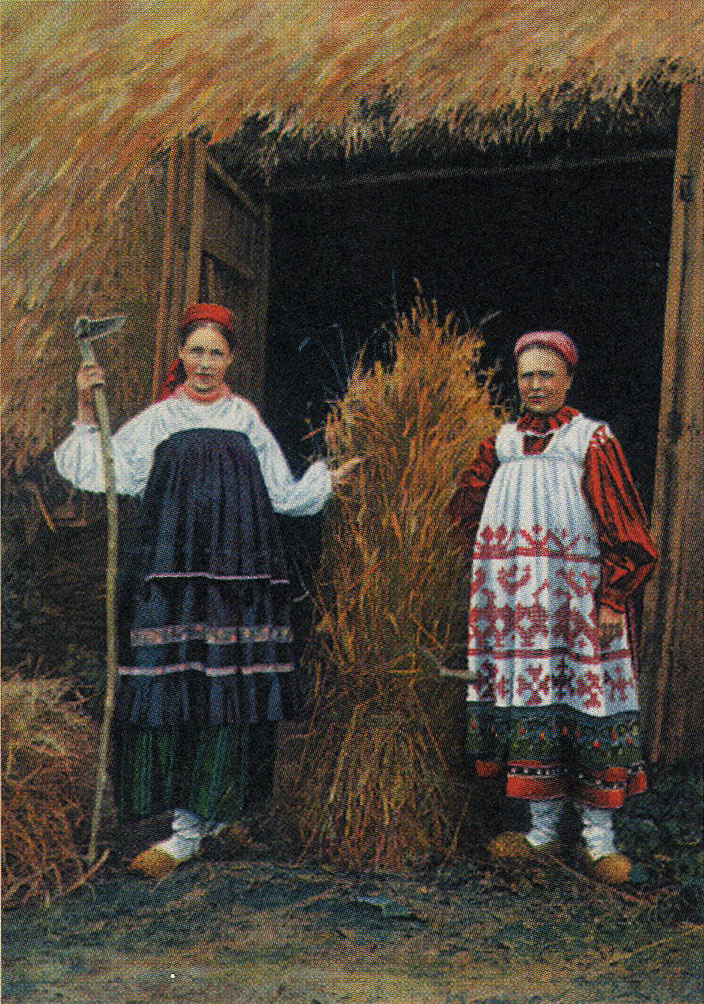 🇵🇱 Poland and 5 moreDożynki
A Slavic harvest festival where farmers bring the last sheaf of grain to the village in a ceremonial wreath.Feast custom · After the wedding
🇷🇴 Romania and 3 moreMărțișor
The red and white string charm worn in early spring to welcome the new year.Adornment · The weeks before
🇭🇷 CroatiaŽudijeŽudije (čuvari Kristova groba)
Catholic guardians who stand watch over a replica tomb of Christ in Dalmatia until Easter Vigil.Rite · The weeks before
🇵🇱 Poland and 5 moreDożynki
A Slavic harvest festival where farmers bring the last sheaf of grain to the village in a ceremonial wreath.Feast custom · After the wedding
🇷🇴 Romania and 3 moreMărțișor
The red and white string charm worn in early spring to welcome the new year.Adornment · The weeks before
🇭🇷 CroatiaŽudijeŽudije (čuvari Kristova groba)
Catholic guardians who stand watch over a replica tomb of Christ in Dalmatia until Easter Vigil.Rite · The weeks before
Photo credits on this page
The small pictures above come from Wikimedia Commons under free licences. Some are cropped to fit.
- Huipil: Gift in memory of Elizabeth Ege Freudenheim, No restrictions, source
- Kransekake: Kjetil Ree, CC BY-SA 3.0, source
- Dożynki: Unknown author, Public domain, source
- Pyebaek: halfGoku, CC BY-SA 2.0, source