Feasts, food and drinkEuropeHinduPagan and ancient
Dożynki
A Slavic harvest festival where farmers bring the last sheaf of grain to the village in a ceremonial wreath.
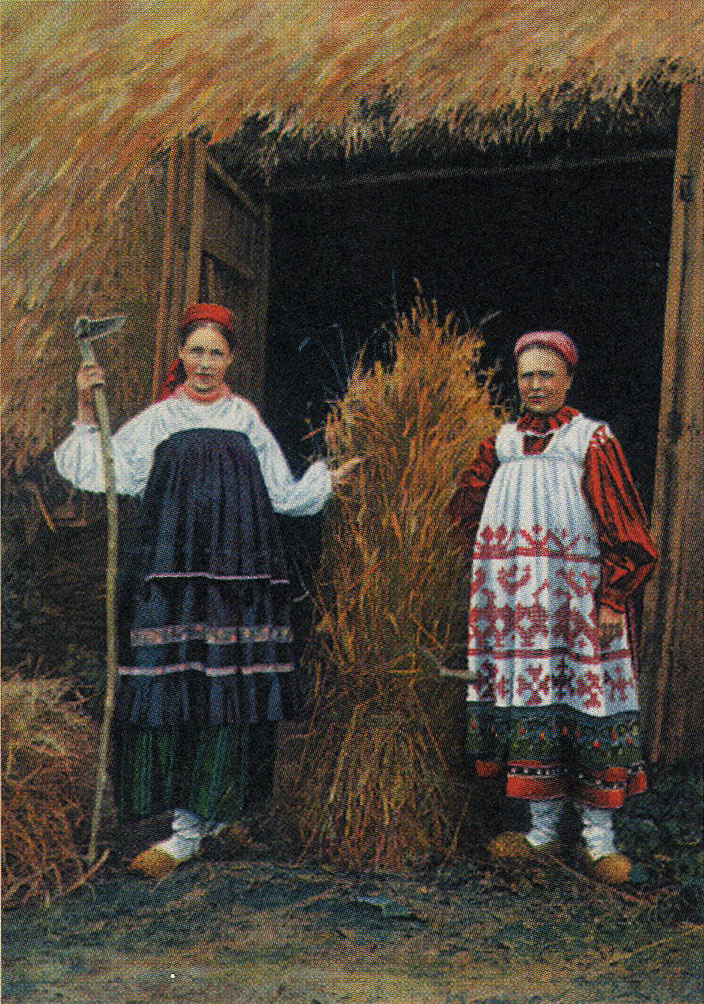
Dożynki is a traditional Slavic harvest festival marking the end of fieldwork. It involves creating a wreath from the final crop and bringing it to the community leader or church for blessing. The celebration includes feasting and dancing to thank God or ancient deities for a bountiful year.
When is Dożynki kept?
Dożynki is kept on after the harvest season ends, usually on a Sunday in late summer or early autumn.
Dożynki marks the completion of the harvest across Slavic regions. Farmers gather the last ears of grain to weave a decorative wreath. This wreath is carried in a procession to the village center or church. The community then shares a feast to celebrate their hard work and pray for future abundance. The rite blends ancient pagan gratitude with Christian thanksgiving.
Origins and history
The roots of Dożynki lie in pre-Christian Slavic paganism. Early communities worshipped deities linked to agriculture and the seasons. They believed the last sheaf held magical power. Offerings included large pancakes made from new grain. If the pancake was big enough for a priest to hide behind, they expected a rich next year. By the sixteenth century, the feast gained a Christian character. Landed gentry and wealthy peasants organized it to reward reapers. The focus shifted to thanking God and the Mother of God for the crops.
Rituals and symbols
The central symbol is a wreath made from the final batch of cereal. Women decorate this wreath with field flowers, ribbons, and braided straws. Sometimes it takes the shape of a crown or oval. The group carries the wreath in a procession back to the village. In Catholic areas, a priest blesses it with holy water. In other places, the priest travels to the fields. The grain from the wreath is often threshed first and saved for next year's sowing. This act ensures continuity and prosperity for the coming season.
Regional variations
Names for the festival vary by region. In Poland, people call it dożynki, wyżynki, or wieniec. Belarus uses names like Prachystaya or Aspazha. The timing depends on when local harvesting finishes. In southern Poland, blessings happen around August fifteenth. In Russia, celebrations occur in August or September. Modern Polish festivals sometimes include political elements, but most return to religious or folk traditions. Neo-pagan groups also observe the rites to honor Slavic native faith beliefs.
How Dożynki is kept
Farmers cut the last stalks of grain in the field. Women weave these stalks into a wreath adorned with flowers and ribbons. A procession forms and carries the wreath to the manor house, church, or village square. The wreath is offered to the host or clergy. A priest may bless the grain with holy water. The community then holds a feast with traditional dances and food to celebrate the completed harvest.
When and where
It falls after the harvest season ends. Dates vary by region, often on a Sunday in August or September. Some areas mark it on the Feast of the Assumption or the Dormition.
The custom is strongest in Poland, Belarus, Russia, Ukraine, Czechia, and Slovakia. It is an established local custom throughout these Slavic nations.
What Dożynki means
The wreath represents wealth, a rich harvest, and the power of new life within the grain. Saving the first grain for next year's sowing connects the current success to future survival. The ritual expresses gratitude for the land's bounty and seeks protection for the community's livelihood.
Who takes part
- Farmers: Cut the last ears of cereal and form the procession
- Women: Weave the final grain into a decorated wreath
- Priest: Bless the wreath with holy water or travel to the site
- Host: Receive the wreath as the guest of honour
If you are a guest
Guests attend the feast and watch the procession. They participate in traditional dances and share meals. In modern times, they may visit official presidential harvest festivals in Poland. Guests respect the sacred nature of the grain wreath and the prayers offered.
Then and now
In Poland, the tradition survived Soviet propaganda periods. Today, authorities restore its religious meaning while keeping folk customs. Neo-pagan minorities actively cultivate the ancient Slavic rites. The festival remains a key part of rural cultural identity across Eastern Europe.
On the wedding table
- Tolkno meal: A celebratory dish made from flour eaten in the Russian North to mark the end of harvest
- Grain pancake: A large human-sized cake made from newly threshed grain, used in ancient offerings to gods
Symbols: Rice and grain Garlands and flowers The colour red The colour white Gold and jewellery Bread


Questions people ask about Dożynki
When is Dożynki kept?
Dożynki is kept on after the harvest season ends, usually on a Sunday in late summer or early autumn.
What is Dożynki?
Dożynki is a Slavic harvest festival that marks the end of the agricultural season. It involves weaving a wreath from the last grain and celebrating with a communal feast and procession.
Is it a religious holiday?
Yes, it has both Christian and pagan elements. Christians thank God and the Virgin Mary, while some groups honor ancient Slavic deities associated with agriculture.
See also
 Wedding breakfastThe post-ceremony feast served to the couple and their guests in British English usage.Wedding of the WeddingsA Polish annual gathering for couples who chose alcohol-free wedding receptions.
 KorovaiA large round braided bread shared at weddings to bless the couple and unite the community.
 RadonitsaThe Orthodox memorial day that lifts fasting restrictions and officially opens the wedding season.
Good reading and sources
- Dożynki on WikipediaEncyclopedia
- More photos on Wikimedia CommonsPhotos and video
- Wikidata recordOpen data
The facts on this page come from the Wikipedia article "Dożynki", written by its contributors and used under the CC BY-SA 4.0 licence, and from its Wikidata record (CC0). EveryShaadi rewrote the text in its own words, with AI assistance, and compares every page with the article to make sure no passage is copied. It may be reused under the same CC BY-SA 4.0 licence with a link back.
It may contain mistakes. Wedding customs differ from one family, village and community to the next, and the people who keep them know them best. If something is wrong, tell us. Last refreshed 2026-10-06.
More from Poland
All the traditions of Poland
🇬🇧 United Kingdom and 1 moreWedding breakfast
The post-ceremony feast served to the couple and their guests in British English usage.Feast custom · The ceremony
🇺🇦 Ukraine and 4 moreKorovaiкоровай (Ukrainian), каравай (Russian), кравай (Bulgarian)
A large round braided bread shared at weddings to bless the couple and unite the community.Feast custom · The ceremony
 🇵🇱 Poland and 6 moreKolachколач (kolach), калач (kalach), kołacz, colac, kalács
A braided or ring-shaped bread that marks weddings and major holidays across Eastern Europe.Feast custom · Engagement and betrothal
🇵🇱 Kraków, PolandWedding of the Weddings
A Polish annual gathering for couples who chose alcohol-free wedding receptions.Feast custom · The ceremony
🇵🇱 Poland and 6 moreKolachколач (kolach), калач (kalach), kołacz, colac, kalács
A braided or ring-shaped bread that marks weddings and major holidays across Eastern Europe.Feast custom · Engagement and betrothal
🇵🇱 Kraków, PolandWedding of the Weddings
A Polish annual gathering for couples who chose alcohol-free wedding receptions.Feast custom · The ceremony
The same idea elsewhere
The wedding feast, the cake and the toast compared 🇮🇳 IndiaOdia Hindu weddingBahaghara (ଓଡ଼ିଆ ବାହାଘର)
The traditional Hindu marriage ceremony of the Odia people in Odisha, India.Rite · Engagement and betrothal
🇮🇳 IndiaOdia Hindu weddingBahaghara (ଓଡ଼ିଆ ବାହାଘର)
The traditional Hindu marriage ceremony of the Odia people in Odisha, India.Rite · Engagement and betrothal
 🇸🇿 Ludzidzini Royal Village, Eswatini and 1 moreUmhlanga
The annual Swazi and Zulu gathering where young women cut reeds to preserve chastity and offer tribute labour.Rite · The eve
🇿🇦 South AfricaUmemulo
The Zulu coming of age ceremony that marks a woman as ready for marriageRite · The weeks before
🇸🇿 Ludzidzini Royal Village, Eswatini and 1 moreUmhlanga
The annual Swazi and Zulu gathering where young women cut reeds to preserve chastity and offer tribute labour.Rite · The eve
🇿🇦 South AfricaUmemulo
The Zulu coming of age ceremony that marks a woman as ready for marriageRite · The weeks before
 🇮🇩 Indonesia and 2 moreKenduri
A communal feast and prayer gathering held by Javanese and Malay communities to mark life events.Feast custom · The weeks before
🇮🇩 Indonesia and 2 moreKenduri
A communal feast and prayer gathering held by Javanese and Malay communities to mark life events.Feast custom · The weeks before