Matchmaking, courtship and engagementSoutheast Asia
Binukot
A Visayan custom of secluding young noblewomen to preserve their purity and elevate their marriage value.

The Binukot tradition involves the secluded upbringing of young women in the Philippines, primarily among the Panay Bukidnon community. This practice begins in early childhood and continues until marriage, aiming to protect the girl and increase her prestige as a bride.
When is Binukot kept?
Binukot is kept from early childhood until marriage.
The Binukot is a traditional practice from the Visayan regions of the Philippines where young women are kept in strict seclusion. Families believed this isolation protected the girl and made her more desirable to potential suitors. The custom originated with noble families but persisted among specific groups like the Panay Bukidnon.
Meaning and origins
The term Binukot translates to wrapped or veiled in local languages. It describes a state of confinement intended to shield a young woman from public view. Historically, this custom applied to daughters of high-ranking families. The goal was to maintain their purity and enhance their social standing. By remaining unseen, these girls were considered more valuable when it came time for marriage negotiations.
Life in seclusion
Girls typically entered seclusion at ages three or four. They remained indoors, avoiding sunlight and physical labor. Female servants assisted them with daily tasks like bathing. Parents entertained them with stories and dances, preserving oral history. Men were forbidden from seeing them until puberty. Violations could result in severe punishment. This isolation created a distinct standard of beauty within the community.
Marriage and status
When ready for marriage, usually around age thirteen, the family sought a high bride price. The suitor had to prove he could care for someone unfamiliar with self-sufficiency. If married, the woman became known as a Nabukot. She retained her cultural knowledge and status. Her husband was expected to cherish and support her throughout their life together.
How Binukot is kept
Parents isolate a young girl from early childhood. She stays indoors, avoids work, and interacts only with female attendants. Family members share oral traditions with her. When marriage approaches, parents negotiate a bride price. The suitor meets the family but not the bride directly. She may reveal only her fingernails during visits.
When and where
The practice starts in early childhood and lasts until marriage. It is not tied to a specific calendar date but follows personal readiness for union.
This custom is rooted in the Visayan regions of the Philippines. It is most strongly associated with the Panay Bukidnon people who maintained pre-colonial traditions.
What Binukot means
Seclusion symbolized purity and high social value. The untouched nature of the girl increased her desirability. Her fair skin and fine appearance represented ideal beauty. The practice reinforced family prestige and cultural continuity through preserved epics.
Who takes part
- Parents: Enforce seclusion and negotiate marriage terms
- Female servants: Assist with bathing and daily chores
- Suitor: Pays bride price and proves capability to care for the bride
- Community elders: Preserve oral history and cultural standards
Then and now
The practice has largely faded but survives among some Panay Bukidnon families. Modern influences have reduced its prevalence. Some descendants still value the cultural knowledge passed down through this tradition.
On the wedding table
Symbols: The ring The colour white Gold and jewellery
Questions people ask about Binukot
When is Binukot kept?
Binukot is kept from early childhood until marriage.
What does the word Binukot mean?
It means wrapped up or veiled in Visayan languages. It refers to the seclusion of young women from public view.
Is the practice still common today?
It is no longer widespread. Only a few Panay Bukidnon families maintain aspects of the tradition today.
What happens after marriage?
The woman becomes a Nabukot. She retains her cultural status and is supported by her husband for life.
See also
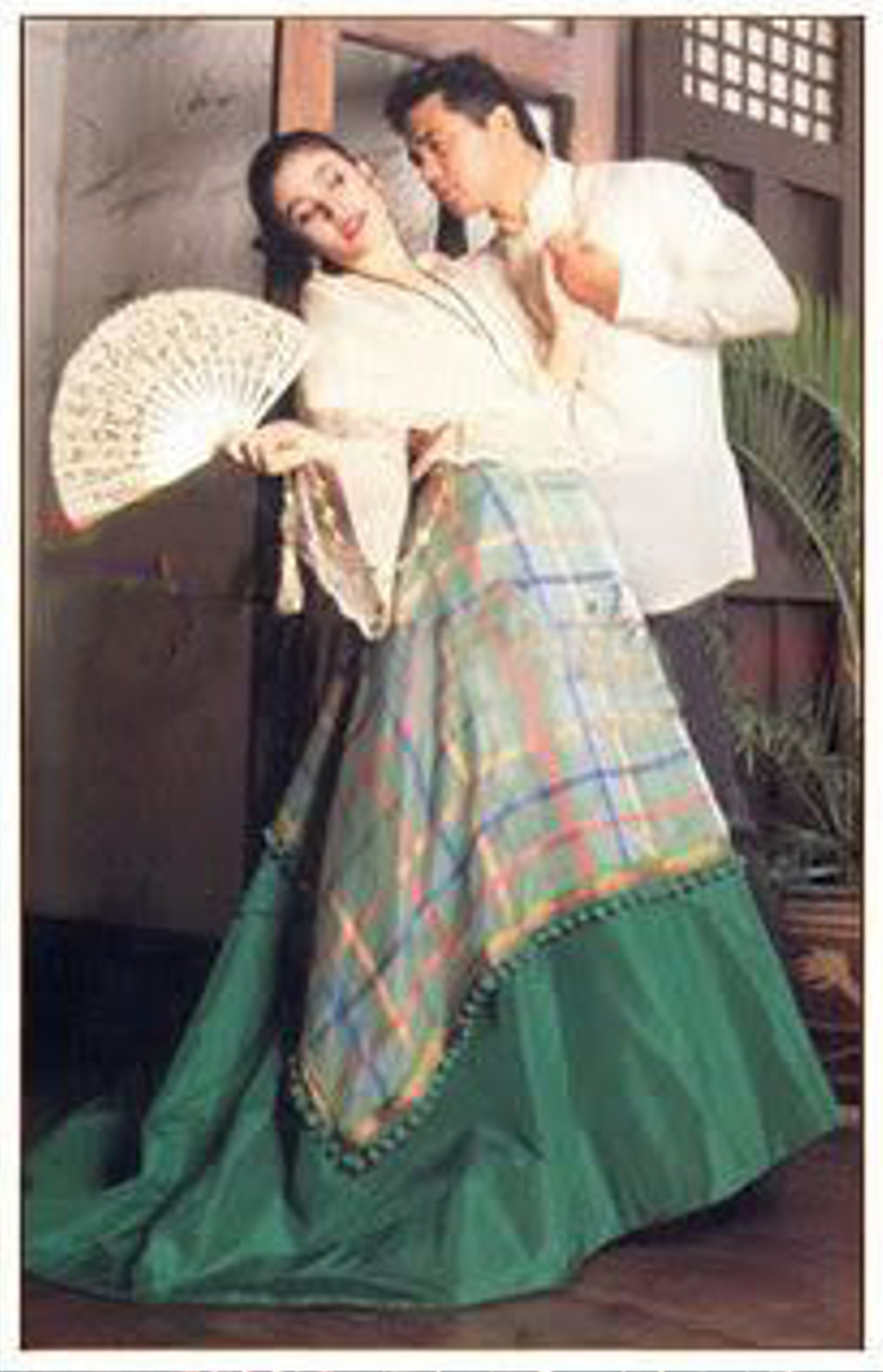 Courtship in the PhilippinesA traditional Filipino courtship marked by serenade, service, and family involvement.
 Blessing ceremony of the Unification ChurchA large-scale marriage rededication or new union ceremony that engrafts couples into a sinless lineage.
 Wedding cordA satin loop placed around the couple to symbolize their lifelong union in Catholic weddings.
Good reading and sources
The facts on this page come from the Wikipedia article "Binukot", written by its contributors and used under the CC BY-SA 4.0 licence, and from its Wikidata record (CC0). EveryShaadi rewrote the text in its own words, with AI assistance, and compares every page with the article to make sure no passage is copied. It may be reused under the same CC BY-SA 4.0 licence with a link back.
It may contain mistakes. Wedding customs differ from one family, village and community to the next, and the people who keep them know them best. If something is wrong, tell us. Last refreshed 2026-10-06.
More from the Philippines
All the traditions of the Philippines
🇵🇭 Cebu, PhilippinesCourtship in the Philippines
A traditional Filipino courtship marked by serenade, service, and family involvement.Betrothal · Finding a match
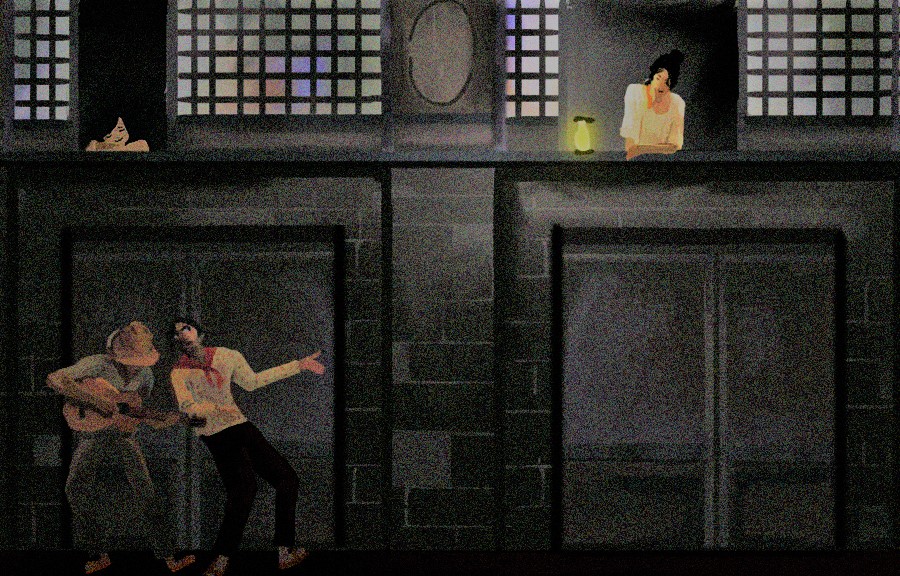 🇵🇭 Cebu, PhilippinesHarana
A traditional Filipino courtship serenade where a suitor sings beneath a woman's window at night.Betrothal · Finding a match
🇰🇷 South Korea and 5 moreBlessing ceremony of the Unification ChurchHoly Marriage Blessing Ceremony (축복결혼식)
A large-scale marriage rededication or new union ceremony that engrafts couples into a sinless lineage.Rite · Engagement and betrothal
🇵🇭 Cebu, PhilippinesHarana
A traditional Filipino courtship serenade where a suitor sings beneath a woman's window at night.Betrothal · Finding a match
🇰🇷 South Korea and 5 moreBlessing ceremony of the Unification ChurchHoly Marriage Blessing Ceremony (축복결혼식)
A large-scale marriage rededication or new union ceremony that engrafts couples into a sinless lineage.Rite · Engagement and betrothal
The same idea elsewhere
Arranged marriage, matchmaking and choosing a partner compared 🇳🇬 NigeriaIgbo traditional marriageIgba Nkwu
The multi-stage Igbo marriage process that formalizes a union through family negotiations and the wine-carrying ceremonyRite · Finding a match
🇳🇬 NigeriaIgbo traditional marriageIgba Nkwu
The multi-stage Igbo marriage process that formalizes a union through family negotiations and the wine-carrying ceremonyRite · Finding a match
 🇮🇳 IndiaMeitei weddingLuhongba (ꯂꯨꯍꯣꯡꯕ)
The traditional union of the Meitei people, marked by clan exogamy and specific courtship rituals.Rite · Finding a match
🇮🇳 IndiaMeitei weddingLuhongba (ꯂꯨꯍꯣꯡꯕ)
The traditional union of the Meitei people, marked by clan exogamy and specific courtship rituals.Rite · Finding a match
 🇨🇳 China and 2 moreChinese pre-wedding customs三書六禮 (sàam syù luhk láih)
The traditional betrothal rituals of the Book of Rites that prepare a Chinese marriage.Betrothal · Finding a match
🇮🇳 IndiaSakharpuda
The Maharashtrian engagement rite where sugar and coconuts seal a verbal promise between families.Betrothal · Engagement and betrothal
🇨🇳 China and 2 moreChinese pre-wedding customs三書六禮 (sàam syù luhk láih)
The traditional betrothal rituals of the Book of Rites that prepare a Chinese marriage.Betrothal · Finding a match
🇮🇳 IndiaSakharpuda
The Maharashtrian engagement rite where sugar and coconuts seal a verbal promise between families.Betrothal · Engagement and betrothal