Matchmaking, courtship and engagementSoutheast Asia
Pamamanhikan
The formal visit by the groom's family to ask the bride's parents for her hand in marriage.
Pamamanhikan is a Filipino courtship tradition where the man's family visits the woman's family to formally request her hand in marriage. This rite occurs after a couple has established a long relationship and marks the transition from private engagement to public family union. It serves as the official start of wedding planning between the two households.
When is Pamamanhikan kept?
Pamamanhikan is kept on after a long relationship decides to get married.
Pamamanhikan is a traditional Filipino custom where the groom's family visits the bride's home to formally ask for her hand in marriage. This ritual signifies the official beginning of the union between two families. It takes place after a couple has decided to wed, allowing both sides to discuss wedding details and secure parental blessings.
What it is
Pamamanhikan translates to supplication or request in English. It is a formal visit where the man's parents and relatives go to the woman's house. The purpose is to ask the bride's parents for their consent to the marriage. This step confirms that the couple's decision to marry is recognized by their elders. It transforms a private agreement into a family matter. The visit sets the tone for all future wedding preparations.
How it is kept
The groom's family travels to the bride's home with influential members, sometimes including local leaders like the Barangay Captain. They present their request directly to the bride's parents. If the parents agree, the couple may be asked to help with farm work or chores as a sign of commitment. Following the request, both families hold a banquet. During this meal, they discuss the wedding date, location, and roles for godparents and attendants.
Origins and meaning
The term literally means climbing up or ascension process. This reflects the respect shown to the bride's family hierarchy. The custom emphasizes the importance of parental approval in Filipino culture. It ensures that the marriage is not just between two people but two united lineages. The practice reinforces community bonds by involving neighbors and local figures in the announcement.
How Pamamanhikan is kept
The groom's family visits the bride's home to ask for her hand in marriage. They are often accompanied by influential relatives or local leaders. The bride's parents must give consent. The couple may serve the family through chores or farm work. A banquet follows where wedding details like dates, guests, and officiants are discussed.
When and where
It happens after a couple decides to marry but before the ceremony. It marks the official start of wedding planning.
This custom is practiced throughout the Philippines among Filipino communities.
What Pamamanhikan means
It symbolizes respect for elders and the importance of family consent. The visit elevates the relationship from private to public. It shows the groom's seriousness and willingness to integrate into the bride's family structure.
Who takes part
- Groom's parents: Lead the visit and formally ask for the bride's hand
- Bride's parents: Give or withhold consent for the marriage
- Local leaders: Sometimes participate to add weight to the request
Questions people ask about Pamamanhikan
When is Pamamanhikan kept?
Pamamanhikan is kept on after a long relationship decides to get married.
What is Pamamanhikan?
It is a Filipino tradition where the groom's family visits the bride's home to formally ask for her hand in marriage. It marks the official start of wedding planning between families.
Who participates?
The groom's parents and relatives lead the visit. The bride's parents receive them. Local leaders may also join to support the request.
See also
 Blessing ceremony of the Unification ChurchA large-scale marriage rededication or new union ceremony that engrafts couples into a sinless lineage.
 Wedding cordA satin loop placed around the couple to symbolize their lifelong union in Catholic weddings.
 Las arrasThirteen coins exchanged by the couple to symbolize provision and trust in a Christian marriage.ElopementA secret marriage conducted without parental approval or public notice to bypass objections or legal barriers.
Good reading and sources
The facts on this page come from the Wikipedia article "Pamamanhikan", written by its contributors and used under the CC BY-SA 4.0 licence, and from its Wikidata record (CC0). EveryShaadi rewrote the text in its own words, with AI assistance, and compares every page with the article to make sure no passage is copied. It may be reused under the same CC BY-SA 4.0 licence with a link back.
It may contain mistakes. Wedding customs differ from one family, village and community to the next, and the people who keep them know them best. If something is wrong, tell us. Last refreshed 2026-10-05.
More from the Philippines
All the traditions of the Philippines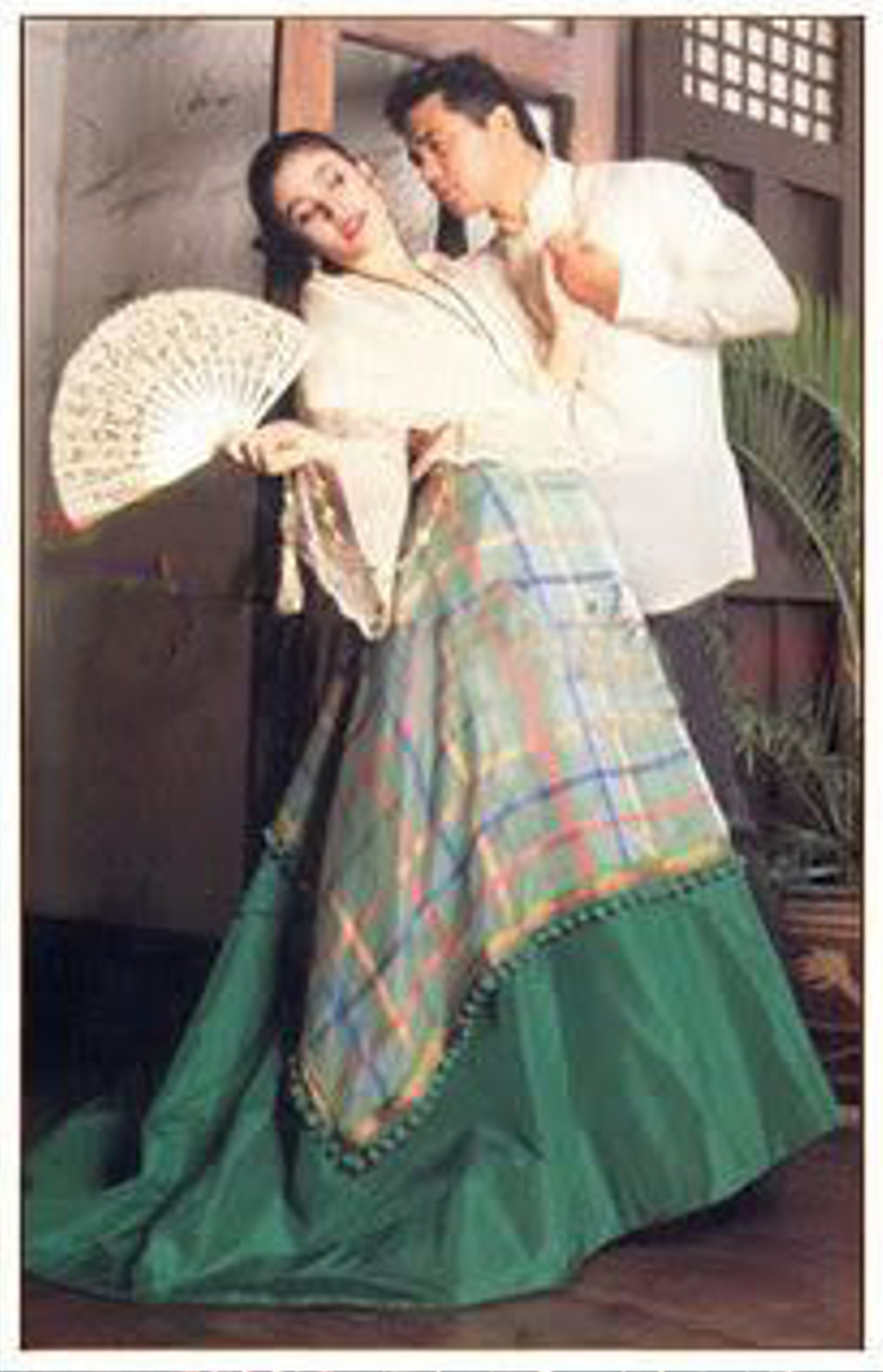 🇵🇭 Cebu, PhilippinesCourtship in the Philippines
A traditional Filipino courtship marked by serenade, service, and family involvement.Betrothal · Finding a match
🇰🇷 South Korea and 5 moreBlessing ceremony of the Unification ChurchHoly Marriage Blessing Ceremony (축복결혼식)
A large-scale marriage rededication or new union ceremony that engrafts couples into a sinless lineage.Rite · Engagement and betrothal
🇪🇸 Spain and 2 moreLas arrasLas arras matrimoniales
Thirteen coins exchanged by the couple to symbolize provision and trust in a Christian marriage.Rite · The ceremony
🇵🇭 Cebu, PhilippinesCourtship in the Philippines
A traditional Filipino courtship marked by serenade, service, and family involvement.Betrothal · Finding a match
🇰🇷 South Korea and 5 moreBlessing ceremony of the Unification ChurchHoly Marriage Blessing Ceremony (축복결혼식)
A large-scale marriage rededication or new union ceremony that engrafts couples into a sinless lineage.Rite · Engagement and betrothal
🇪🇸 Spain and 2 moreLas arrasLas arras matrimoniales
Thirteen coins exchanged by the couple to symbolize provision and trust in a Christian marriage.Rite · The ceremony
 🇨🇳 China and 6 moreRed envelope红包 (hóngbāo)
A gift of money in a red paper sleeve exchanged at weddings and holidays to bring good luck.Gift custom · The wedding feast
🇨🇳 China and 6 moreRed envelope红包 (hóngbāo)
A gift of money in a red paper sleeve exchanged at weddings and holidays to bring good luck.Gift custom · The wedding feast
The same idea elsewhere
Arranged marriage, matchmaking and choosing a partner compared 🇯🇵 JapanMiai見合い (Miai)
A traditional Japanese matchmaking meeting where a man and woman consider marriage with the help of a go-between.Betrothal · Finding a match
🇯🇵 JapanMiai見合い (Miai)
A traditional Japanese matchmaking meeting where a man and woman consider marriage with the help of a go-between.Betrothal · Finding a match
 🇮🇳 India and 2 moreArranged marriage in the Indian subcontinent
The family-led matchmaking process that shapes most marriages across South Asia.Betrothal · Finding a match
🇮🇳 India and 2 moreArranged marriage in the Indian subcontinent
The family-led matchmaking process that shapes most marriages across South Asia.Betrothal · Finding a match
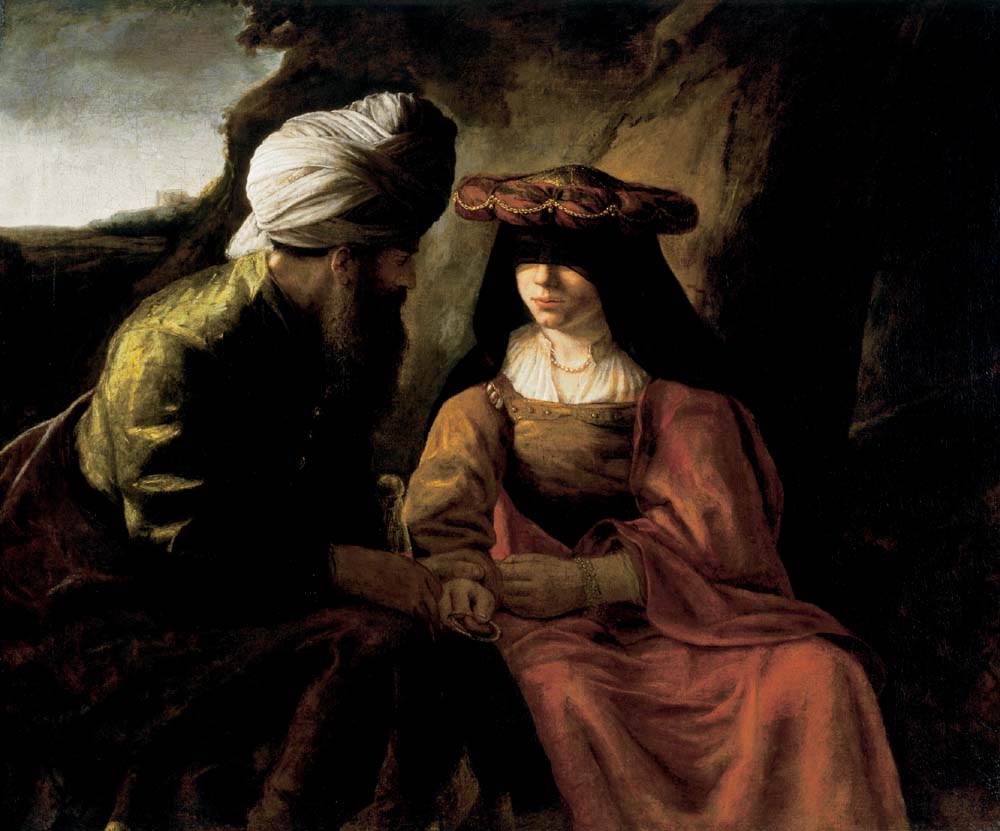 🇮🇱 Israel and 1 moreYibbumייבום
A Jewish rite where a brother marries his childless deceased brother's widow to continue the family line.Vow · Engagement and betrothal
🇮🇱 Israel and 1 moreYibbumייבום
A Jewish rite where a brother marries his childless deceased brother's widow to continue the family line.Vow · Engagement and betrothal