Matchmaking, courtship and engagementCentral Asia and the Caucasus
Bride kidnapping
The abduction of a woman or girl by a man who wishes to marry her, ranging from consensual elopement to violent coercion

Bride kidnapping is a practice where a man abducts a woman he wants to marry. It occurs across diverse regions, including Central Asia, East Africa, and parts of South America. While some cases represent consensual elopements disguised as captures, others involve severe coercion, rape, and forced unions that violate local and international laws.
Bride kidnapping involves a man taking a woman against her will or through a staged abduction to secure a marriage. This practice appears in diverse regions, from the Caucasus to East Africa. While some cases represent consensual elopements disguised as captures, others involve severe coercion, rape, and forced unions. The custom intersects with economic pressures, social stigma, and weak legal enforcement.
What the practice is
Bride kidnapping refers to the abduction of a woman or girl by a man who intends to marry her. Also called marriage by capture, this custom spans multiple continents, appearing in Central Asia, Africa, and parts of Latin America. The term covers a wide range of behaviors. At one end, it functions as a form of elopement where a couple conspires to trick their parents. At the other, it involves violent seizure, rape, and total coercion. The practice replaces standard courtship and serves as a method of securing a spouse outside normal social channels.
How the abduction unfolds
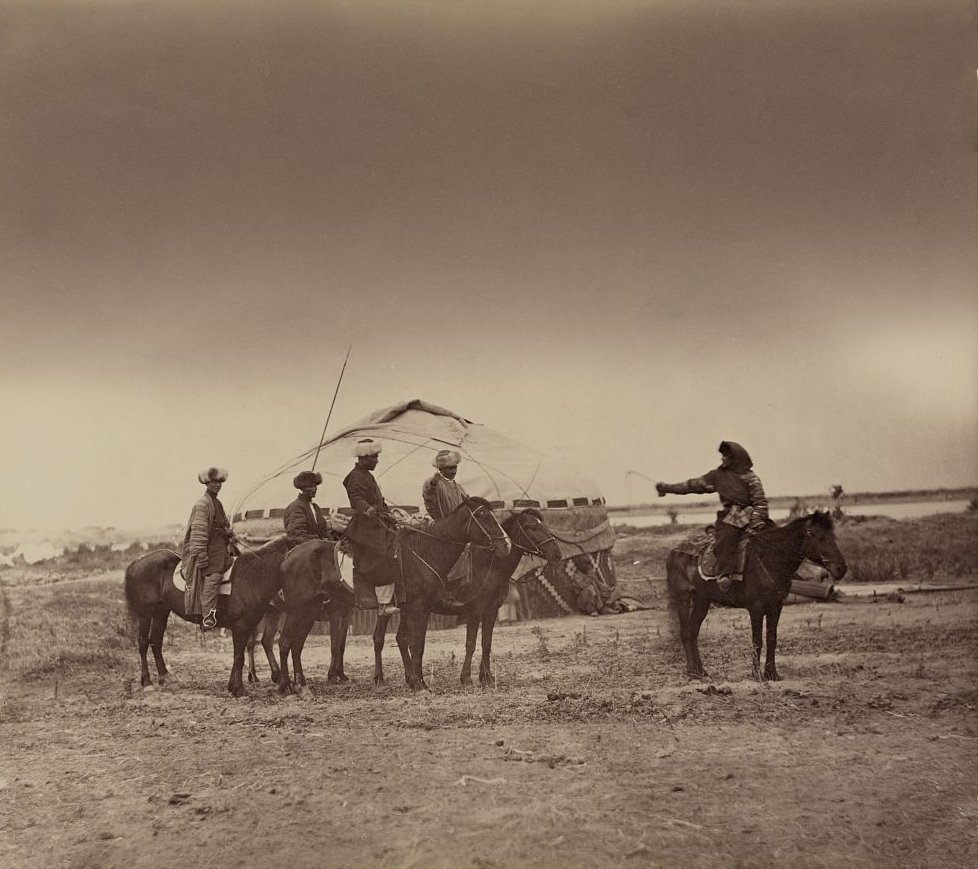
The groom or his associates seize the target, often using horses or vehicles to escape pursuit. The woman is hidden or brought to the groom's home. In several regions, sexual violence is employed to force acceptance, relying on the stigma surrounding pregnancy and rape. Following the capture, the groom's family approaches the woman's relatives. They may negotiate a reduced bride price or offer restitution. A formal ceremony might occur days later to confirm the union, though sometimes the marriage remains informal or the woman is kept as a concubine.
Reasons and consequences
Economic pressure drives much of the custom. Young men unable to afford the bride price may turn to kidnapping as a cheaper alternative. Patriarchal structures and the value placed on female labor in agricultural societies also fuel demand. The consequences for women are severe. Victims face physical trauma, early pregnancy, and interrupted education. Fear of abduction discourages school attendance. In some areas, abductors abandon their wives after impregnating them, leaving the women without support or future prospects.
Law and modern shifts
National governments increasingly criminalize bride kidnapping, treating it as a sex crime or forced marriage. Kyrgyzstan enforces stricter penalties, including prison terms of up to ten years. Yet rural enforcement remains inconsistent, and customary law often overrides state statutes. International bodies and local NGOs classify the practice as a human rights violation. Awareness campaigns promote gender equity and discourage the tradition. Despite these efforts, the custom persists where poverty and weak governance allow it to survive.
How Bride kidnapping is kept
A man or his group seizes a woman, often using violence or deception. She may be hidden or taken to his home. In some regions, rape is used to force compliance due to pregnancy stigma. The groom's family then negotiates with the woman's relatives, sometimes paying a reduced bride price. A ceremony may follow to legitimize the union, though in other cases, the couple colludes to present a fait accompli to their parents.
When and where
This practice occurs during the betrothal phase, before any formal wedding ceremony. It replaces traditional matchmaking or courtship steps. The timing depends on the opportunity for abduction rather than a fixed calendar date, though it happens throughout the year.
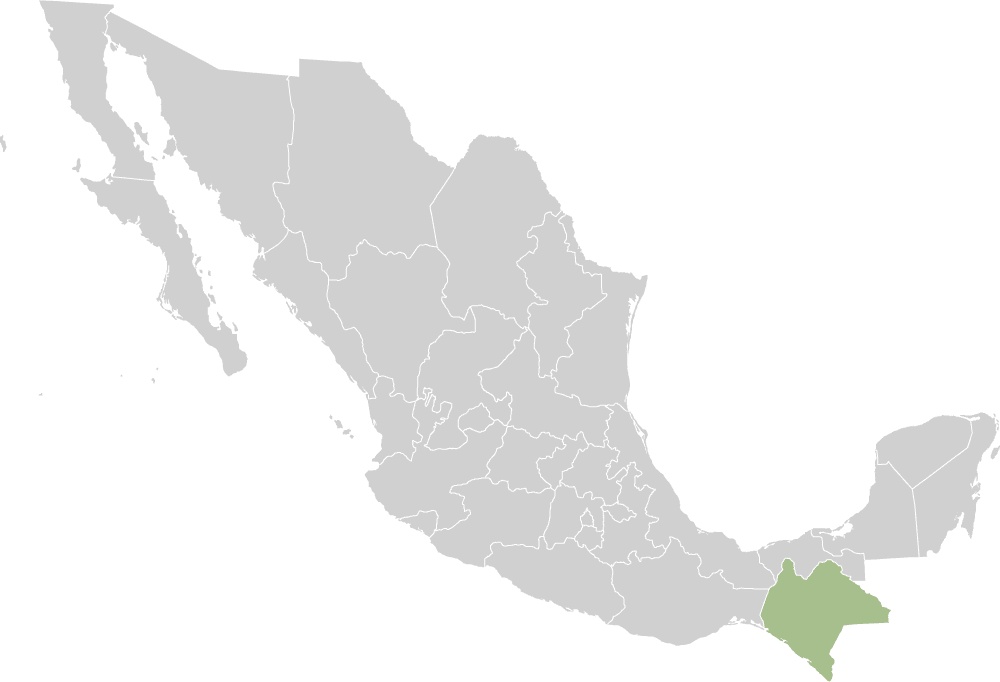
The custom is found in Kyrgyzstan, Kazakhstan, Ethiopia, Rwanda, Kenya, Georgia, and parts of China and Mexico. It is most prevalent in rural areas of Central Asia and East Africa, where traditional norms and economic factors sustain the practice despite national laws.
What Bride kidnapping means
In some cultures, the act symbolizes the groom's determination and ability to provide. For those using it as a cover for elopement, it saves face for families opposed to the match. However, the symbolism of capture often masks deep violations of consent, turning a ritual into a tool for exploitation and control over women.
Who takes part
- The groom: Seizes the woman and takes her away.
- The groom's friends: Assist in the abduction and escape.
- The bride: May resist, flee, or collude with the groom depending on the case.
- The bride's family: Negotiates restitution or bride price after learning of the abduction.
- Community elders: Mediate disputes and help legitimize the marriage.
Then and now
Legal crackdowns have increased in countries like Kyrgyzstan, with prison sentences up to ten years. However, enforcement remains weak in rural zones. Non-governmental organizations and UN agencies challenge the practice as a human rights violation. Awareness campaigns aim to reduce prevalence, though economic drivers and patriarchal norms continue to support it in some areas.


Questions people ask about Bride kidnapping
Is bride kidnapping always non-consensual?
Not always. Some cases involve couples colluding to fake an abduction to bypass parental opposition or high bride prices. These consensual versions allow the couple to present a fait accompli to their families, though the line between elopement and coercion can be blurred.
How does bride kidnapping relate to bride price?
The two are closely linked. Men may resort to kidnapping to avoid paying the full bride price demanded by the bride's family. In some instances, the groom negotiates a lower price after the abduction, or pays restitution to the family once the woman is taken.
What is the legal status of bride kidnapping today?
Most countries criminalize bride kidnapping, classifying it as a sex crime or forced marriage. Kyrgyzstan imposes prison sentences of up to ten years. Despite these laws, customary practices and weak judicial enforcement allow the custom to persist in many rural regions.
See also
 Ala kachuuA Kyrgyz custom of taking a woman for marriage, ranging from consensual elopement to forced abduction.LeblouhThe forced fattening of girls to improve their marriage prospects, a harmful practice
 SvayamvaraThe ancient Hindu ceremony where a princess picks her husband from assembled suitorsWedding traditions in IraqThe arranged courtship, religious rites and multi-day celebrations that mark marriage in Iraqi society.
Good reading and sources
- Encyclopaedia BritannicaArticle
- Gardai hunt gang accused of seizing Roma child brideThe Guardian, Article
- Moscow police swoop on fake 'bride kidnapping'BBC, Article
- Gardai hunt gang accused of seizing Roma child brideThe Guardian, Article
- Moscow police swoop on fake 'bride kidnapping'BBC, Article
- Bride kidnapping on WikipediaEncyclopedia
- More photos on Wikimedia CommonsPhotos and video
- Wikidata recordOpen data
The facts on this page come from the Wikipedia article "Bride kidnapping", written by its contributors and used under the CC BY-SA 4.0 licence, and from its Wikidata record (CC0). EveryShaadi rewrote the text in its own words, with AI assistance, and compares every page with the article to make sure no passage is copied. It may be reused under the same CC BY-SA 4.0 licence with a link back.
It may contain mistakes. Wedding customs differ from one family, village and community to the next, and the people who keep them know them best. If something is wrong, tell us. Last refreshed 2026-10-05.
More from Kyrgyzstan
All the traditions of Kyrgyzstan
🇰🇬 Kyrgyzstan and 2 moreAla kachuuала качуу
A Kyrgyz custom of taking a woman for marriage, ranging from consensual elopement to forced abduction.Betrothal · Engagement and betrothal
 🇰🇿 Kazakhstan and 2 moreKimeshekкимешек (Kazakh/Karakalpak), элечек (Kyrgyz)
The traditional white headgear worn by married women with children in Central AsiaAttire · After the wedding
🇰🇿 Kazakhstan and 2 moreKimeshekкимешек (Kazakh/Karakalpak), элечек (Kyrgyz)
The traditional white headgear worn by married women with children in Central AsiaAttire · After the wedding
 🇦🇿 Azerbaijan and 1 moreKyz kuu
A horse race where a man chases a woman to win a kiss or faces her whip if he failsPlay · Engagement and betrothal
🇦🇿 Azerbaijan and 1 moreKyz kuu
A horse race where a man chases a woman to win a kiss or faces her whip if he failsPlay · Engagement and betrothal
The same idea elsewhere
Arranged marriage, matchmaking and choosing a partner compared 🇨🇳 China and 2 moreChinese pre-wedding customs三書六禮 (sàam syù luhk láih)
The traditional betrothal rituals of the Book of Rites that prepare a Chinese marriage.Betrothal · Finding a match
🇳🇬 NigeriaMoney marriage
A practice in southern Nigeria where a girl is given in marriage to settle her family's debts.Gift custom · Finding a match
🇨🇦 Canada and 1 moreMarriage à la façon du paysMariage à la façon du pays
The common-law unions between European fur traders and Indigenous women that shaped North American history.Betrothal · Engagement and betrothal
🇨🇳 China and 2 moreChinese pre-wedding customs三書六禮 (sàam syù luhk láih)
The traditional betrothal rituals of the Book of Rites that prepare a Chinese marriage.Betrothal · Finding a match
🇳🇬 NigeriaMoney marriage
A practice in southern Nigeria where a girl is given in marriage to settle her family's debts.Gift custom · Finding a match
🇨🇦 Canada and 1 moreMarriage à la façon du paysMariage à la façon du pays
The common-law unions between European fur traders and Indigenous women that shaped North American history.Betrothal · Engagement and betrothal
 🇿🇦 South Africa and 1 moreLobololobola (Zulu, Xhosa, Swazi, Ndebele), mahadi (Sesotho), mahari (Swahili), magadi (Sepedi), bogadi (Setswana), lovola (Xi
The livestock or cash payment from a groom's family to a bride's family that formalizes a customary marriage in SouthernGift custom · Finding a match
🇿🇦 South Africa and 1 moreLobololobola (Zulu, Xhosa, Swazi, Ndebele), mahadi (Sesotho), mahari (Swahili), magadi (Sepedi), bogadi (Setswana), lovola (Xi
The livestock or cash payment from a groom's family to a bride's family that formalizes a customary marriage in SouthernGift custom · Finding a match