Wedding dress and clothingEurope
Debutante dress
The strict white gown and feathered headdress worn by young women at their debutante cotillion.

A debutante dress is a formal white ball gown with long gloves and pearls. It was worn by young women at cotillions to mark their entry into society as eligible for marriage.
When is Debutante dress kept?
Debutante dress is kept at the debutante cotillion presentation.
This attire marks a young woman's introduction to high society. The strict rules of the dress signaled her readiness for marriage. Families followed detailed guidelines to ensure proper presentation at court events.
Strict rules of dress
Young ladies had to follow meticulous guidelines for their appearance. White was the main color, though ivory or eggshell were allowed over a white base. A headdress with feathers and a veil was mandatory. The number and size of feathers changed over time. No outerwear like cloaks or shawls was permitted inside, even in cold weather. Mourning attire could be black.
History of the style
During the Georgian era, dresses featured panniers and elaborate trimmings. King George III favored ostrich plumes. Later styles varied with general fashion. In the Victorian era, gowns had short sleeves and low necklines. Health certificates could excuse high necklines. Queen Victoria preferred larger feathers visible from a distance. Edward VII saw the three-feather Prince of Wales plume become standard.
Marriage and re-presentation
After marrying appropriately, a woman was presented again at Court. She typically wore her wedding dress with modifications. This second presentation confirmed her new status as a married lady within the social hierarchy. The transition from debutante to wife was marked by this specific change in attire and public role.
How Debutante dress is kept
A young woman wears a pure white ball gown with long white gloves and pearls. She dons a headdress featuring feathers and a veil. The ensemble is completed according to strict court regulations. She presents herself at a cotillion to enter society. If she marries well, she appears again in a modified wedding dress.
When and where
It is worn during the debutante cotillion, which serves as a coming-of-age celebration before marriage. The event marks the transition from girlhood to eligible adulthood in high society circles.
The custom originated in the United Kingdom, particularly within the royal court and aristocracy. It was prominent during the reigns of George III through Edward VII.
What Debutante dress means
The white gown symbolized purity and eligibility. The feathers and veil denoted status and adherence to tradition. Following the rules showed respect for the monarchy and social order. The attire prepared the young woman for her future role as a wife.
Who takes part
- The debutante: Wears the regulated gown and headdress to present herself to society
- The monarch: Receives the debutantes and sets the fashion rules for the court
- The doctor: Provides certificates if health issues prevent wearing low-necked gowns
On the wedding table
Symbols: The colour white The veil


Questions people ask about Debutante dress
When is Debutante dress kept?
Debutante dress is kept at the debutante cotillion presentation.
What is a debutante dress?
It is a white ball gown with long gloves and pearls. Young women wear it at cotillions to enter society as eligible for marriage. Strict rules governed its design and accessories.
What are the rules for the headdress?
The headdress must include feathers and a veil. Queen Victoria disliked small feathers, so they were sized to be seen from afar. The three-feather Prince of Wales plume became standard later.
See also
 Wedding ringA metal circle worn on the finger to show that a person is married.
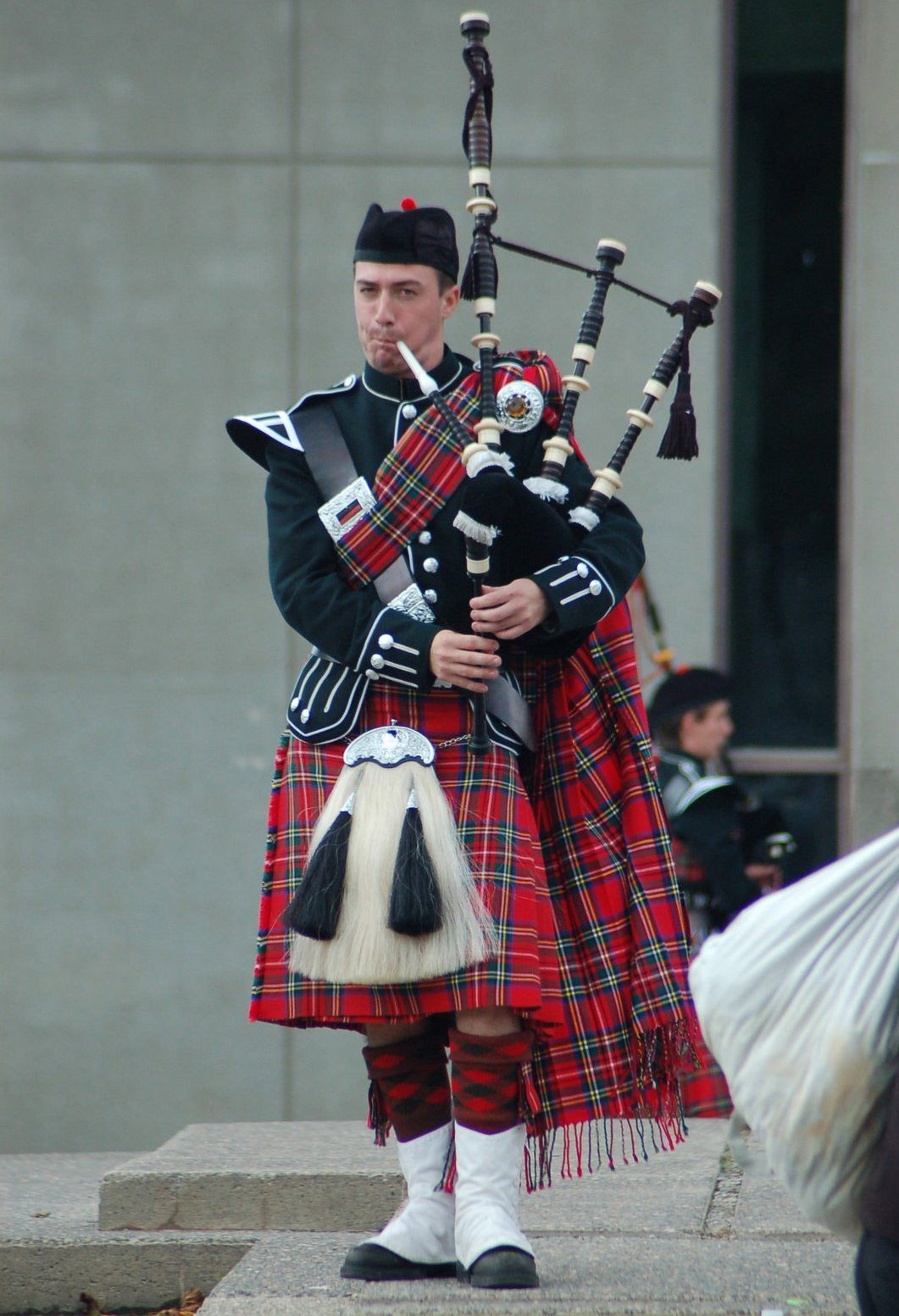 Full plaidA long tartan mantle worn over the shoulder in Scottish Highland dress and military uniforms.
 White weddingA formal Western ceremony marked by a white bridal gown and traditional Christian rituals.
 Care clothA linen or silk cloth held over the heads of a bride and groom during a Christian wedding blessing.
Good reading and sources
The facts on this page come from the Wikipedia article "Debutante dress", written by its contributors and used under the CC BY-SA 4.0 licence, and from its Wikidata record (CC0). EveryShaadi rewrote the text in its own words, with AI assistance, and compares every page with the article to make sure no passage is copied. It may be reused under the same CC BY-SA 4.0 licence with a link back.
It may contain mistakes. Wedding customs differ from one family, village and community to the next, and the people who keep them know them best. If something is wrong, tell us. Last refreshed 2026-10-07.
More from the United Kingdom
All the traditions of the United Kingdom
🇬🇧 United Kingdom and 3 moreCare cloth
A linen or silk cloth held over the heads of a bride and groom during a Christian wedding blessing.Attire · The ceremony
🇬🇧 United Kingdom and 2 moreWhite wedding
A formal Western ceremony marked by a white bridal gown and traditional Christian rituals.Attire · Engagement and betrothal
🇬🇷 Greece and 5 moreWedding ring
A metal circle worn on the finger to show that a person is married.Attire · Engagement and betrothal
 🇬🇧 United Kingdom and 5 moreWedding superstitions
Traditional beliefs about luck and omens that shape wedding rituals across culturesAttire · The weeks before
🇬🇧 United Kingdom and 5 moreWedding superstitions
Traditional beliefs about luck and omens that shape wedding rituals across culturesAttire · The weeks before
The same idea elsewhere
The wedding dress and what the couple wear compared 🇯🇵 Tokyo, JapanShinto wedding神前結婚 (Shinzen kekkon)
A Shinto purification ritual featuring sake sharing and kimono attire held at a shrine or venue.Rite · The ceremony
🇮🇳 Kochi, IndiaKasavuകസാവ്
The white cotton and gold border attire worn by Malayalis for weddings and festivals.Attire · The weeks before
🇯🇵 Tokyo, JapanShinto wedding神前結婚 (Shinzen kekkon)
A Shinto purification ritual featuring sake sharing and kimono attire held at a shrine or venue.Rite · The ceremony
🇮🇳 Kochi, IndiaKasavuകസാവ്
The white cotton and gold border attire worn by Malayalis for weddings and festivals.Attire · The weeks before
 🇮🇳 IndiaShankha
White conch shell bangles worn by Bengali Hindu married women as a symbol of their husband's well-being.Adornment · Engagement and betrothal
🇮🇳 IndiaShankha
White conch shell bangles worn by Bengali Hindu married women as a symbol of their husband's well-being.Adornment · Engagement and betrothal
 🇪🇬 Egypt and 4 moreWaist beads
Strands of glass or seed worn around the hips to mark womanhood and track body changes in West and North Africa.Adornment · Engagement and betrothal
🇪🇬 Egypt and 4 moreWaist beads
Strands of glass or seed worn around the hips to mark womanhood and track body changes in West and North Africa.Adornment · Engagement and betrothal