Matchmaking, courtship and engagementEast Asia
Heqin
In its own language: 和親 (Héqīn)
A historical Chinese policy of uniting imperial families with neighboring rulers to secure peace.

Heqin was a diplomatic strategy used by Chinese dynasties to arrange marriages between royal women and leaders of border tribes. The practice began in the second century BC as a way to stabilize relations with the Xiongnu and later expanded to other states across Asia.
When is Heqin kept?
Heqin is kept on throughout various Chinese dynastic periods.
Heqin served as a formal mechanism for political union between China and its neighbors. By sending royal women to marry foreign chieftains, emperors sought to prevent conflict and establish lasting treaties. This practice defined early international relations in East Asia.
Origins and purpose
The system started after military setbacks against the Xiongnu nomads. Officials proposed marrying imperial daughters to the Xiongnu leader Modu Chanyu to buy peace. This treaty marked the first official use of the policy. It shifted the approach from warfare to familial bonding. The goal was to create a kinship tie that would discourage raids on Chinese borders.
Han dynasty practices
During the Han era, the court frequently sent women to marry Xiongnu rulers. Often, these brides were not the emperor's biological daughters but distant relatives or commoners given the title of princess. This allowed the state to maintain the alliance without risking the lives of primary heirs. Over fifteen such unions occurred, linking the Han throne to successive Xiongnu chieftains.
Expansion to other regions
The custom spread beyond the northern steppes. Women married into the Kingdom of Khotan and the Rouran Khaganate. Later dynasties like the Sui and Tang continued the tradition. They arranged matches with Turkic khans and other western powers. These unions often involved complex remarriages due to local customs where widows married their husband's relatives.
Political significance
Heqin was never merely about romance. It was a calculated tool of statecraft. Marriages solidified alliances during times of weakness or uncertainty. They also facilitated cultural exchange along the Silk Road. The women carried Chinese goods and customs to distant courts, influencing local societies while securing diplomatic stability for the empire.
How Heqin is kept
Imperial officials selected women from the extended royal family or the harem. These women were formally titled as princesses before departure. They traveled to the capital of the neighboring state to marry the ruler. The union was sealed with a treaty and exchanged gifts. If the ruler died, the bride might remarry his successor according to local tradition.
When and where
The practice began in 198 BC and continued through various dynasties until the Tang period. Dates were set by political necessity rather than seasonal cycles. Marriages occurred when treaties were negotiated or conflicts threatened to escalate.
The custom originated in central China and extended to the northern steppes and western oases. Key locations included the Xiongnu territories, the Kingdom of Khotan, and the Rouran Khaganate. It was strongest during the Han, Sui, and Tang dynasties.
What Heqin means
The marriage symbolized a bond of equality between sovereigns. It transformed enemies into relatives, making war against one's own kin taboo. The woman represented the benevolence and reach of the Chinese emperor. Her presence was a constant reminder of the alliance.
Who takes part
- The emperor: Selects the bride and authorizes the marriage treaty
- The princess: Travels to the foreign court to marry the ruler
- Xiongnu chieftains: Accept the bride and form a political alliance
- Diplomatic officials: Negotiate the terms and organize the procession
Then and now
The practice ended with the fall of traditional imperial dynasties. Modern China no longer uses marriage alliances for diplomacy. Historical records remain important for understanding past international relations and cultural exchanges.
Questions people ask about Heqin
When is Heqin kept?
Heqin is kept on throughout various Chinese dynastic periods.
What is heqin?
Heqin is a historical Chinese policy of arranging marriages between imperial women and rulers of neighboring states to secure peace and political alliances.
Who were the brides?
Brides were usually members of the extended imperial family or women from the harem given the title of princess, rather than the emperor's direct daughters.
Was it legal?
It was a formal state policy established by imperial decree and treaty, not a private custom. It functioned as official diplomatic protocol.
See also
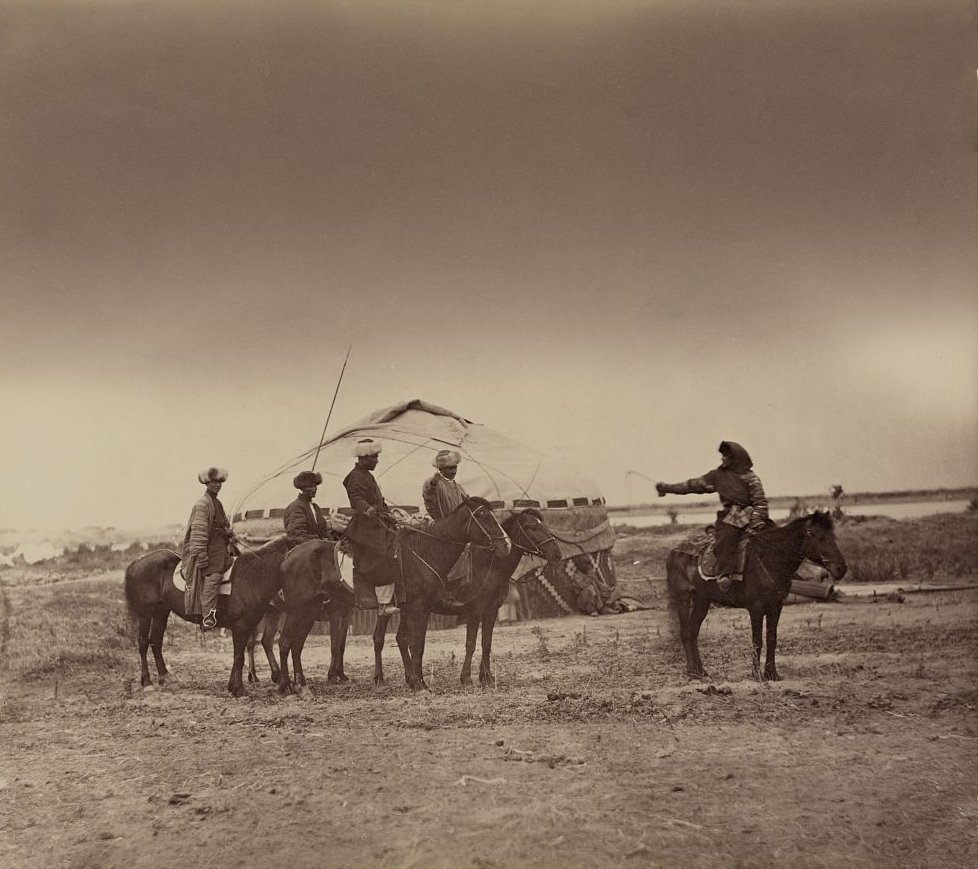 Ala kachuuA Kyrgyz custom of taking a woman for marriage, ranging from consensual elopement to forced abduction.
 Shanghai Marriage MarketParents pin written profiles of their unmarried children to strings in a Shanghai park
 Marriage marketPublic spaces where families gather to find spouses for their children through listings and brokers.
 Chinese pre-wedding customsThe traditional betrothal rituals of the Book of Rites that prepare a Chinese marriage.
Good reading and sources
The facts on this page come from the Wikipedia article "Heqin", written by its contributors and used under the CC BY-SA 4.0 licence, and from its Wikidata record (CC0). EveryShaadi rewrote the text in its own words, with AI assistance, and compares every page with the article to make sure no passage is copied. It may be reused under the same CC BY-SA 4.0 licence with a link back.
It may contain mistakes. Wedding customs differ from one family, village and community to the next, and the people who keep them know them best. If something is wrong, tell us. Last refreshed 2026-10-05.
More from China
All the traditions of China
🇨🇳 China and 2 moreChinese pre-wedding customs三書六禮 (sàam syù luhk láih)
The traditional betrothal rituals of the Book of Rites that prepare a Chinese marriage.Betrothal · Finding a match
🇨🇳 Shanghai, ChinaShanghai Marriage Market人民公园相亲角 (Rénmín Gōngyuán Xiāngqīn Jiǎo)
Parents pin written profiles of their unmarried children to strings in a Shanghai parkBetrothal · Finding a match
🇨🇳 Beijing, China and 1 moreMarriage market
Public spaces where families gather to find spouses for their children through listings and brokers.Betrothal · Finding a match
🇮🇳 India and 4 moreAuspicious wedding dates
The selection of lucky times for a ceremony based on astrology, numerology, and tradition.Betrothal · Engagement and betrothal
The same idea elsewhere
Arranged marriage, matchmaking and choosing a partner compared 🇲🇲 MyanmarMarriage in Myanmar
A blend of Buddhist rites, astrological timing, and family negotiations that defines union across Myanmar's diverse ethnRite · Finding a match
🇮🇳 IndiaSambandam
The traditional matrilineal marriage alliance of Kerala's Nairs and Nambudiris.Betrothal · Finding a match
🇲🇲 MyanmarMarriage in Myanmar
A blend of Buddhist rites, astrological timing, and family negotiations that defines union across Myanmar's diverse ethnRite · Finding a match
🇮🇳 IndiaSambandam
The traditional matrilineal marriage alliance of Kerala's Nairs and Nambudiris.Betrothal · Finding a match
 🇮🇳 India and 2 moreArranged marriage in the Indian subcontinent
The family-led matchmaking process that shapes most marriages across South Asia.Betrothal · Finding a match
🇮🇳 India and 2 moreArranged marriage in the Indian subcontinent
The family-led matchmaking process that shapes most marriages across South Asia.Betrothal · Finding a match
 🇮🇱 Israel and 1 moreYibbumייבום
A Jewish rite where a brother marries his childless deceased brother's widow to continue the family line.Vow · Engagement and betrothal
🇮🇱 Israel and 1 moreYibbumייבום
A Jewish rite where a brother marries his childless deceased brother's widow to continue the family line.Vow · Engagement and betrothal