Family roles and who does whatSoutheast Asia
Minangkabau marriage
A matrilineal wedding tradition from West Sumatra where the groom moves into the bride's family home.

Minangkabau marriage refers to the wedding customs of the Minangkabau people, an indigenous group in West Sumatra, Indonesia. The practice is defined by its matrilineal structure, where the bride’s maternal family leads negotiations and the couple resides with the bride’s family after the ceremony.
When is Minangkabau marriage kept?
Minangkabau marriage is kept on over a fortnight during the wedding period.
In the highlands of West Sumatra, the Minangkabau people observe a wedding system rooted in matrilineal heritage. Unlike many global traditions, this custom places authority in the hands of the bride’s female relatives. The engagement begins with formal courtship requests, and the subsequent ceremonies span nearly two weeks. These events celebrate the union while reinforcing the community’s unique social structure where women inherit ancestral property.
Engagement and negotiation
The process starts with Maresek, a step where a representative from the groom’s side approaches the bride’s family to seek courtship. This leads to a mutual agreement between both parties. Because the culture is matrilineal, the bride’s mother and her siblings hold the power to decide on the marriage terms. The father of the bride does not participate in these negotiations. Instead, the maternal family manages the planning and implementation of the wedding details, ensuring their preferences guide the proceedings.
Ceremonial duration and dress
Weddings in the Minangkabau Highlands typically involve several distinct ceremonies spread over a fortnight. Participants wear highly elaborate costumes that reflect their cultural identity. These traditional outfits are so significant that they are often reconstructed and displayed in local museums across West Sumatra. The attire serves as a visual marker of the community’s heritage during these extended celebrations. If participants follow a religion other than Islam, they are no longer considered part of the Muslim community within this specific cultural framework.
Post-wedding residence
After the ceremony, the bride remains in her mother’s home rather than moving to the groom’s house. The husband relocates his personal belongings, including his bed and chairs, to live with his wife in her family residence. Despite this cohabitation, he traditionally stays with his sister at night and only visits his wife’s room later. This arrangement reflects the broader societal norm where women receive ancestral land and manage household upbringing, while men oversee the management of these properties.
How Minangkabau marriage is kept
A member of the groom’s family initiates Maresek to propose courtship. The bride’s maternal family then negotiates the terms and plans the event. The wedding spans multiple ceremonies over two weeks, featuring elaborate traditional costumes. Following the rites, the groom moves his furniture and possessions into the bride’s family home. He continues to reside primarily with his sister, visiting his wife at night. This setup maintains the matrilineal household structure central to Minangkabau life.
When and where
The custom unfolds over a fortnight, involving several distinct ceremonies. It occurs during the wedding period following the initial engagement agreement. The timing allows families to prepare the necessary elaborate costumes and coordinate the complex logistics of the multi-day celebration.
This tradition is practiced by the Minangkabau people in West Sumatra, Indonesia. It is most prominent in the Minangkabau Highlands, where the cultural emphasis on matrilineal inheritance and residence is strongest. Museums in the region preserve the associated costumes and paraphernalia.
What Minangkabau marriage means
The custom reinforces the matrilineal values of the Minangkabau society. By keeping the bride in her ancestral home and having the groom move in, the practice ensures that property and lineage remain with the women. The elaborate costumes symbolize cultural pride and identity. The separation of the husband’s nightly residence with his sister highlights the enduring bond between brothers and sisters in this kinship system.
Who takes part
- Groom's family representative: Initiates Maresek to seek courtship for the bride
- Bride's maternal family: Negotiates terms and plans the wedding details
- The groom: Moves his possessions into the bride's family home
- The bride: Remains in her mother's house after the ceremony
- The groom's sister: Provides a residence for the groom to stay with at night
If you are a guest
Guests witness the elaborate costumes and multi-day ceremonies. They participate in the communal celebration of the union. Their presence validates the agreements made by the families. Guests may also observe the traditional living arrangements and the movement of the groom into the bride's household.
Then and now
Modernization has changed some aspects of the custom. Many men now leave the village or country for work opportunities, viewing staying home as a sign of weakness. When men live in cities with large Minangkabau populations, they may only symbolically visit their mother’s house to respect matriarchal customs while maintaining separate residences.
Questions people ask about Minangkabau marriage
When is Minangkabau marriage kept?
Minangkabau marriage is kept on over a fortnight during the wedding period.
Who makes the decisions during the engagement?
The bride’s maternal family holds the authority. They negotiate the terms and plan the wedding. The bride’s father does not have a say in the proposal or the arrangement details.
Where does the couple live after marriage?
The bride stays in her mother’s home. The groom moves his personal belongings, such as his bed and chairs, to live with her in her family house. This reflects the matrilineal nature of the society.
How long do the wedding ceremonies last?
The weddings usually entail several ceremonies conducted over a fortnight. This extended period allows for the preparation of elaborate costumes and the coordination of various cultural rituals.
See also
 SvayamvaraThe ancient Hindu ceremony where a princess picks her husband from assembled suitors
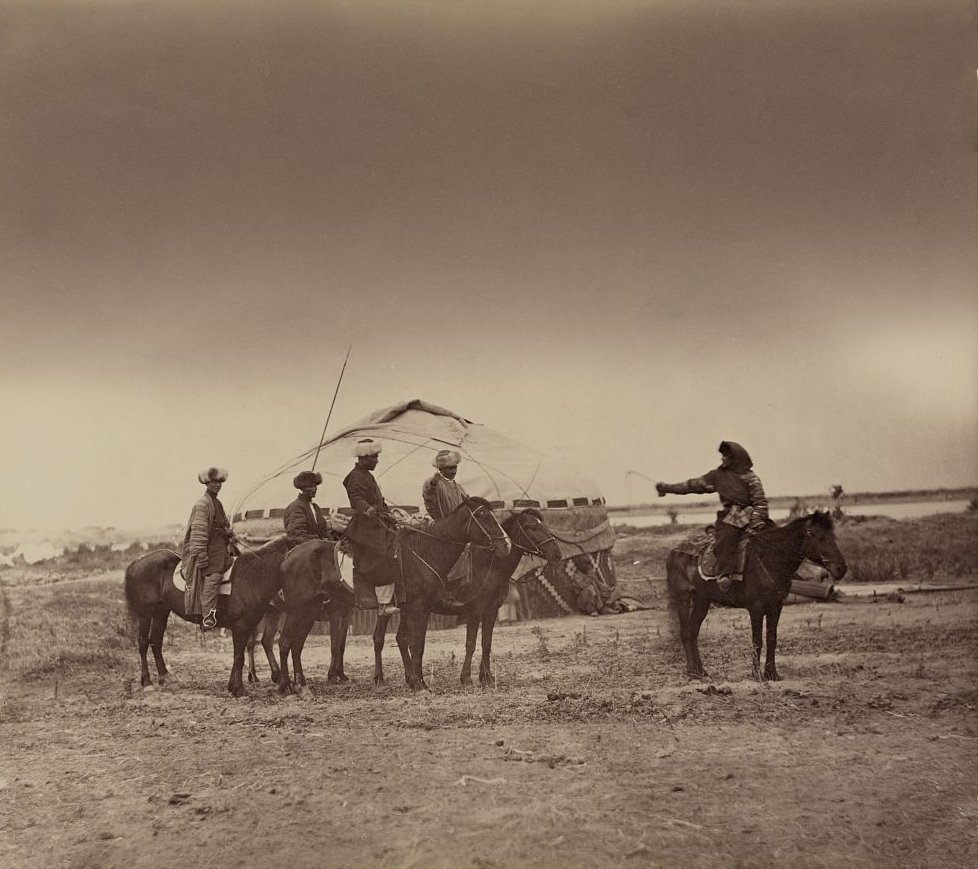 Ala kachuuA Kyrgyz custom of taking a woman for marriage, ranging from consensual elopement to forced abduction.
 MayianThe turmeric paste ceremony held the day before Punjabi weddings in India and Pakistan.
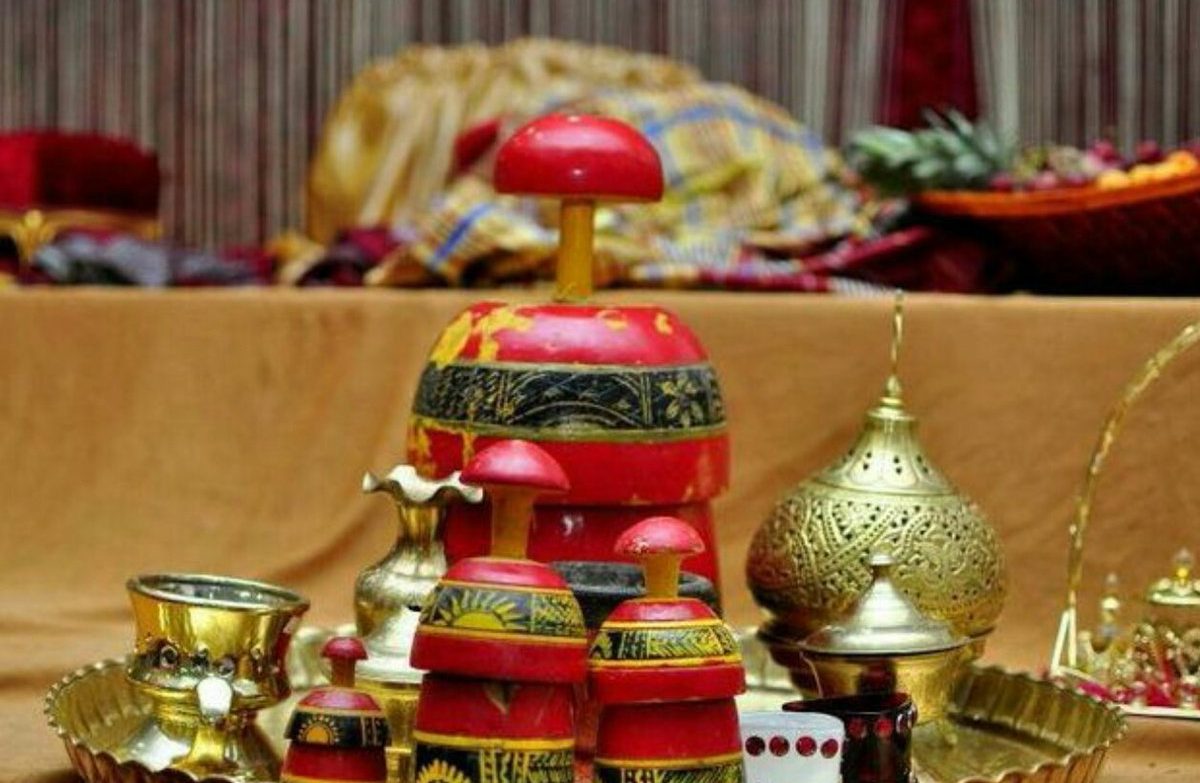 JirtigA Sudanese inauguration ritual where the groom is symbolically crowned as a king.
Good reading and sources
The facts on this page come from the Wikipedia article "Minangkabau marriage", written by its contributors and used under the CC BY-SA 4.0 licence, and from its Wikidata record (CC0). EveryShaadi rewrote the text in its own words, with AI assistance, and compares every page with the article to make sure no passage is copied. It may be reused under the same CC BY-SA 4.0 licence with a link back.
It may contain mistakes. Wedding customs differ from one family, village and community to the next, and the people who keep them know them best. If something is wrong, tell us. Last refreshed 2026-10-05.
More from Indonesia
All the traditions of Indonesia 🇲🇾 Malaysia and 4 moreBaju Kurungباجو كوروڠ
The traditional blouse and skirt worn by Malay women for weddings and religious ceremoniesAttire · The weeks before
🇲🇾 Malaysia and 4 moreBaju Kurungباجو كوروڠ
The traditional blouse and skirt worn by Malay women for weddings and religious ceremoniesAttire · The weeks before
 🇧🇳 Brunei and 2 moreTengkolokتڠكولوق
A folded songket headcloth worn by Malay and Indonesian grooms at weddingsAttire · The ceremony
🇧🇳 Brunei and 2 moreTengkolokتڠكولوق
A folded songket headcloth worn by Malay and Indonesian grooms at weddingsAttire · The ceremony
 🇮🇩 IndonesiaBeskapꦧꦼꦱ꧀ꦏꦥ꧀
The formal black jacket worn by Javanese men during weddings and official ceremonies.Attire · The ceremony
🇮🇩 IndonesiaBeskapꦧꦼꦱ꧀ꦏꦥ꧀
The formal black jacket worn by Javanese men during weddings and official ceremonies.Attire · The ceremony
 🇮🇩 Palembang, Indonesia and 2 moreSongketᬲᭀᬂᬓᬾᬢ᭄
A hand-woven brocade cloth patterned with gold or silver threads for traditional weddings in Southeast Asia.Attire · Engagement and betrothal
🇮🇩 Palembang, Indonesia and 2 moreSongketᬲᭀᬂᬓᬾᬢ᭄
A hand-woven brocade cloth patterned with gold or silver threads for traditional weddings in Southeast Asia.Attire · Engagement and betrothal
The same idea elsewhere
Arranged marriage, matchmaking and choosing a partner compared 🇮🇳 IndiaMeitei weddingLuhongba (ꯂꯨꯍꯣꯡꯕ)
The traditional union of the Meitei people, marked by clan exogamy and specific courtship rituals.Rite · Finding a match
🇺🇦 UkraineSong about the RushnykПісня про рушник (Pisnia pro rushnyk)
A Ukrainian song that celebrates the embroidered cloth used in weddings and family life.Performance · The ceremony
🇮🇳 IndiaMeitei weddingLuhongba (ꯂꯨꯍꯣꯡꯕ)
The traditional union of the Meitei people, marked by clan exogamy and specific courtship rituals.Rite · Finding a match
🇺🇦 UkraineSong about the RushnykПісня про рушник (Pisnia pro rushnyk)
A Ukrainian song that celebrates the embroidered cloth used in weddings and family life.Performance · The ceremony
 🇲🇱 MaliWeddings in Mali
Multi-day Malian wedding traditions blending Islamic rites, civil law, and local customs with bazin attire.Rite · Engagement and betrothal
🇲🇱 MaliWeddings in Mali
Multi-day Malian wedding traditions blending Islamic rites, civil law, and local customs with bazin attire.Rite · Engagement and betrothal
 🇳🇬 Iseyin, Nigeria and 2 moreAso okeAṣọ òkè
Hand-woven cloth worn by the Yoruba for weddings and formal gatheringsAttire · The ceremony
🇳🇬 Iseyin, Nigeria and 2 moreAso okeAṣọ òkè
Hand-woven cloth worn by the Yoruba for weddings and formal gatheringsAttire · The ceremony