Wedding dress and clothingSub-Saharan Africa
Shweshwe
In its own language: Seshoeshoe
A printed cotton fabric worn by Xhosa and Sotho brides and married women in Southern Africa.

Shweshwe is a dyed cotton textile with geometric patterns, used for traditional wedding attire by Xhosa makoti and Sotho women. It originated in the 1840s through French missionaries and King Moshoeshoe I of Lesotho, becoming a key symbol of cultural identity in South Africa and Lesotho.
When is Shweshwe kept?
Shweshwe is kept during weddings and daily life.
Shweshwe is a distinctive printed cotton fabric central to Southern African wedding traditions. Xhosa brides and Sotho women wear garments made from this material to mark their marriage and marital status. The fabric features intricate geometric designs and has served as a marker of cultural identity since the nineteenth century.
Origins and history
The fabric arrived in Southern Africa during the 1840s when French missionaries gifted it to King Moshoeshoe I of Lesotho. He embraced the material and helped popularise it among his people. The name seshoeshoe derives directly from this royal association. Other local names reflect different colonial influences. Terantala comes from Afrikaans words linked to German settlers, while ujamani references Swiss immigrants who also imported the blue-printed cloth. These early exchanges established the textile within local dress cultures.
Wedding significance
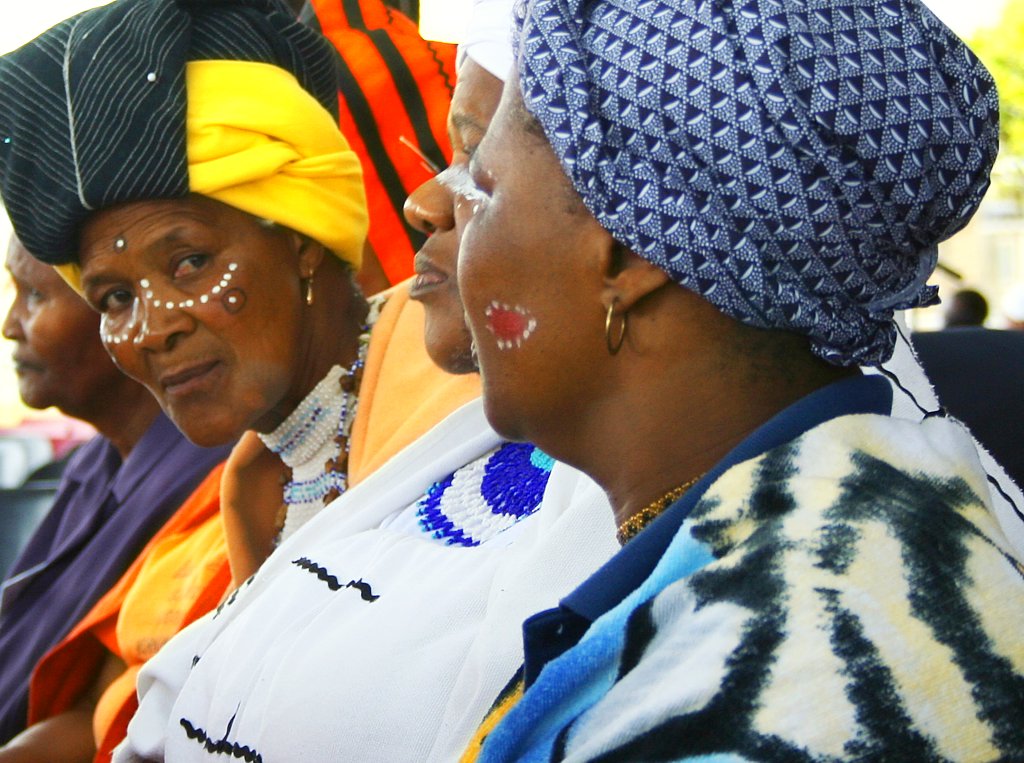
For Xhosa women, wearing shweshwe marks the transition into marriage. Newly wedded women, known as makoti, don dresses and skirts cut from this fabric to display their new role. Sotho women continue wearing shweshwe throughout their married lives as a sign of respect and tradition. The material often appears alongside traditional ochre blankets. Wearing these garments connects the couple to their ancestors and community values during the ceremony and subsequent celebrations.
Production and design
Manufacturers use acid discharge and roller printing on pure cotton calico to create the fabric. Original designs featured indigo dye, but producers now offer chocolate brown and red options too. The patterns include florals, stripes, and complex geometric shapes like diamonds and squares. Traditional production involved picotage, a precise pinning technique that creates sharp edges. This method is rare today due to its cost and complexity. Modern replicas attempt to mimic these detailed effects using newer technology.
How Shweshwe is kept
Brides and married women wear dresses, skirts, aprons, or wrap-around clothing made from shweshwe. Xhosa makoti specifically choose this fabric for their wedding day attire. Sotho women incorporate it into their daily and ceremonial wear. The garments are often paired with traditional blankets. Families purchase or commission these items before the wedding. The stiff texture from traditional starching distinguishes authentic pieces. Guests see the vibrant patterns as a celebration of heritage and marital union.
When and where
Worn during the wedding ceremony and reception. Also kept as part of long-term marital dress codes. No specific calendar date governs its use, though it remains popular year-round for special occasions.
Strongest in South Africa and Lesotho. Produced mainly in the Eastern Cape township of Zwelitsha. Used across various ethnic groups in contemporary fashion. Also found in quilting circles in the United States.
What Shweshwe means
The fabric represents cultural pride and continuity. Wearing it affirms one's place within the Xhosa or Sotho community. For brides, it signals readiness for married life. The intricate patterns reflect skill and patience. The material bridges colonial history and indigenous identity, showing how external goods were adapted into local traditions over generations.
Who takes part
- The bride: Wears a shweshwe dress or skirt for the ceremony
- Married women: Continues wearing the fabric to show marital status
- Textile manufacturers: Prints the fabric using traditional roller techniques
- Family elders: Guides the choice of appropriate styles and colors
If you are a guest
Guests observe the bride's attire as a sign of respect. They may wear similar fabrics to show solidarity. No specific gifts are required. Comments on the pattern quality are common. Guests appreciate the connection to heritage shown through the clothing choices.
Then and now
Competition from cheaper imitations threatens genuine production. Authentic shweshwe is identified by its stiffness, smell, and trademark logos. Da Gama Textiles reduced output significantly due to inferior copies from China and Pakistan. Contemporary designers still use the fabric, blending tradition with modern fashion trends for men and women.
On the wedding table


Questions people ask about Shweshwe
When is Shweshwe kept?
Shweshwe is kept during weddings and daily life.
What is shweshwe fabric?
It is a printed cotton textile with geometric patterns, originally dyed indigo. It is widely used for traditional clothing in Southern Africa, particularly by Xhosa and Sotho communities.
Who wears shweshwe at weddings?
Xhosa newlyweds, known as makoti, wear it for their wedding day. Sotho women also wear it to signify their married status during ceremonies and daily life.
Where does the name come from?
The name seshoeshoe honors King Moshoeshoe I of Lesotho, who popularised the fabric after receiving it from French missionaries in the 1840s.
How can you tell real shweshwe?
Genuine fabric feels stiff from traditional starching, has a distinct smell, and displays trademark logos on the reverse side. It is narrower than average prints.
See also
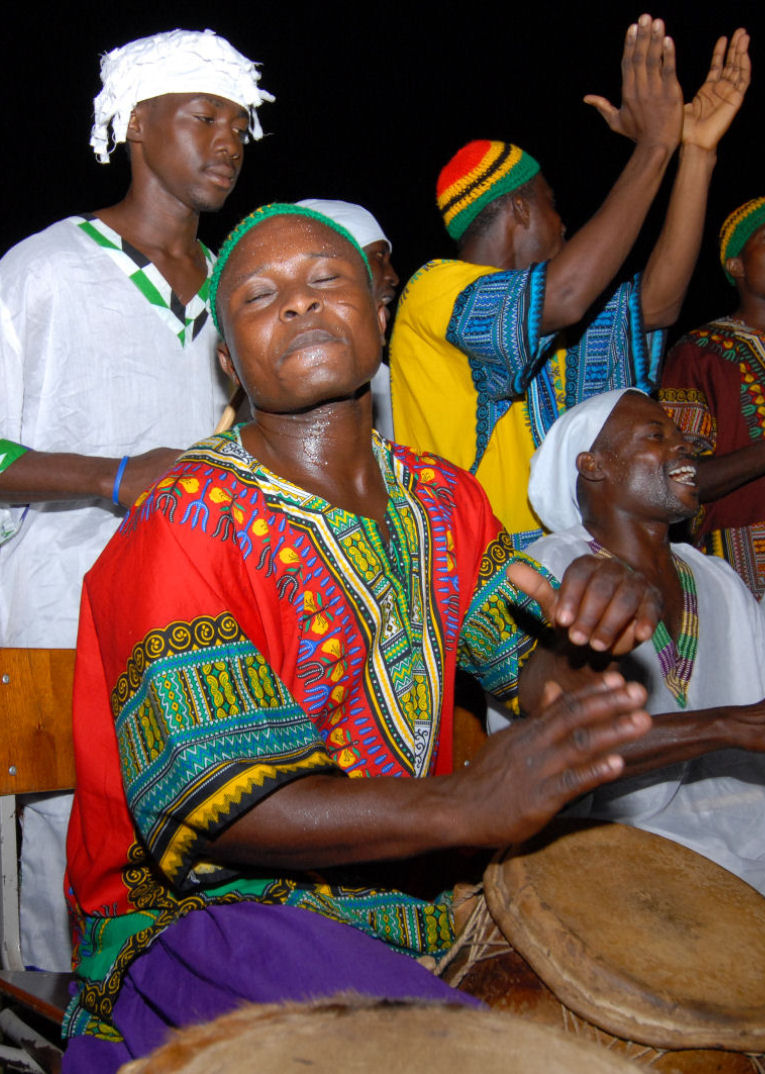 Dashiki suitThe tailored tunic and trousers worn by grooms in West African and diaspora weddingsUmemuloThe Zulu coming of age ceremony that marks a woman as ready for marriage
 UmhlangaThe annual Swazi and Zulu gathering where young women cut reeds to preserve chastity and offer tribute labour.UkungenwaA South African custom where a widowed woman is inherited by her late husband's male relatives.
Good reading and sources
- Seshoeshoe on WikipediaEncyclopedia
- More photos on Wikimedia CommonsPhotos and video
- Wikidata recordOpen data
The facts on this page come from the Wikipedia article "Seshoeshoe", written by its contributors and used under the CC BY-SA 4.0 licence, and from its Wikidata record (CC0). EveryShaadi rewrote the text in its own words, with AI assistance, and compares every page with the article to make sure no passage is copied. It may be reused under the same CC BY-SA 4.0 licence with a link back.
It may contain mistakes. Wedding customs differ from one family, village and community to the next, and the people who keep them know them best. If something is wrong, tell us. Last refreshed 2026-10-07.
More from South Africa
All the traditions of South Africa
🇳🇬 Nigeria and 5 moreDashiki suit
The tailored tunic and trousers worn by grooms in West African and diaspora weddingsAttire · The ceremony
🇸🇿 Ludzidzini Royal Village, Eswatini and 1 moreUmhlanga
The annual Swazi and Zulu gathering where young women cut reeds to preserve chastity and offer tribute labour.Rite · The eve
🇿🇦 South AfricaUmemulo
The Zulu coming of age ceremony that marks a woman as ready for marriageRite · The weeks before
 🇿🇦 South Africa and 1 moreLobololobola (Zulu, Xhosa, Swazi, Ndebele), mahadi (Sesotho), mahari (Swahili), magadi (Sepedi), bogadi (Setswana), lovola (Xi
The livestock or cash payment from a groom's family to a bride's family that formalizes a customary marriage in SouthernGift custom · Finding a match
🇿🇦 South Africa and 1 moreLobololobola (Zulu, Xhosa, Swazi, Ndebele), mahadi (Sesotho), mahari (Swahili), magadi (Sepedi), bogadi (Setswana), lovola (Xi
The livestock or cash payment from a groom's family to a bride's family that formalizes a customary marriage in SouthernGift custom · Finding a match
The same idea elsewhere
The wedding dress and what the couple wear compared 🇮🇩 Palembang, Indonesia and 2 moreSongketᬲᭀᬂᬓᬾᬢ᭄
A hand-woven brocade cloth patterned with gold or silver threads for traditional weddings in Southeast Asia.Attire · Engagement and betrothal
🇮🇩 Palembang, Indonesia and 2 moreSongketᬲᭀᬂᬓᬾᬢ᭄
A hand-woven brocade cloth patterned with gold or silver threads for traditional weddings in Southeast Asia.Attire · Engagement and betrothal
 🇲🇽 Oaxaca, Mexico and 1 moreHuipilhuīpīlli
The traditional tunic worn by indigenous women in Mexico and Central America for weddings and daily life.Attire · The weeks before
🇮🇳 IndiaMadisarமடிசார் (Madisar)
The nine-yard sari drape worn by Tamil Brahmin women during weddings and religious rites.Attire · The ceremony
🇲🇽 Oaxaca, Mexico and 1 moreHuipilhuīpīlli
The traditional tunic worn by indigenous women in Mexico and Central America for weddings and daily life.Attire · The weeks before
🇮🇳 IndiaMadisarமடிசார் (Madisar)
The nine-yard sari drape worn by Tamil Brahmin women during weddings and religious rites.Attire · The ceremony
 🇼🇸 Samoa and 3 moreʻIe tōga
Prestige woven mats exchanged at Samoan weddings to honor family ties and chiefly status.Attire · The ceremony
🇼🇸 Samoa and 3 moreʻIe tōga
Prestige woven mats exchanged at Samoan weddings to honor family ties and chiefly status.Attire · The ceremony