Vows, contracts and registrationMiddle EastJewish
Yibbum
In its own language: ייבום
A Jewish rite where a brother marries his childless deceased brother's widow to continue the family line.
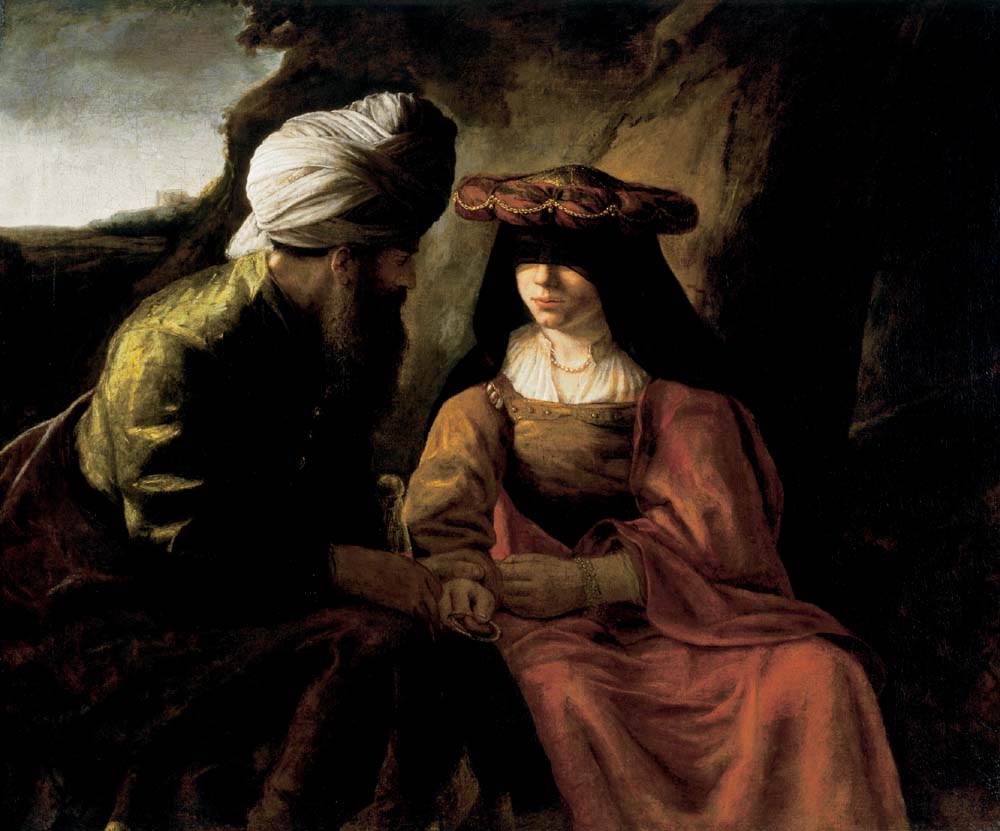
Yibbum is a levirate marriage custom found in Judaism. It requires a man to marry his brother's widow if the brother died without children. The practice aims to provide an heir and protect the widow from destitution.
When is Yibbum kept?
Yibbum is kept on when a married man dies without children.
Yibbum is a specific form of levirate marriage within Jewish tradition. It occurs when a man passes away without leaving any offspring. His surviving brother is then expected to marry the widow. This union serves to produce an heir for the deceased and ensures the widow has financial security. The custom is rooted in ancient biblical law and remains a part of Jewish legal discourse today.
Origins and purpose
The Torah outlines this duty in Deuteronomy. It allows a brother to take his deceased sibling's wife as a spouse. The primary goal is to keep the dead man's name alive through a child who carries his lineage. Historically, this also protected widows from starvation or social disgrace. Without a husband or children, a woman had no means of support. The law ensured she received food, shelter, and care within the family unit.
Legal requirements
Jewish law sets strict conditions for yibbum. The brothers must share the same father. The deceased must have left no children at all. The surviving brother must be physically capable of having children. He must also be born before his sibling's death. If these criteria are met, the eldest brother has the first right to perform the marriage. If he refuses, the next oldest brother may step in. The practice is considered an exception to general prohibitions against marrying a brother's wife.
Halizah alternative
If either party declines the marriage, they must perform halizah. This is a formal ceremony of renunciation. It releases both individuals from their obligations. Halizah involves symbolic acts that show the refusal to marry. Over time, Jewish communities increasingly preferred halizah over yibbum. Rabbis often cited concerns about the brother's motives. Marrying for beauty was viewed negatively. Thus, the refusal ceremony became the standard path in most groups.
Modern status
Today, yibbum is extremely rare. In Israel, the Chief Rabbinate prohibits it by mandate. Most contemporary Jewish communities follow this rule. Yemenite Jews practiced it until the mid-twentieth century. The Israeli religious authorities banned it there in 1950 for uniformity. Conservative Judaism still retains the option. Reform and Reconstructionist movements have abolished it entirely. Orthodox Jews generally perform halizah instead.
How Yibbum is kept
The process begins when a man dies childless. His brother is identified as the potential groom. If he agrees, they may cohabit under biblical law. However, rabbinic rules require a formal maamar ceremony. They recite marriage blessings and sign a ketubah contract. If the brother refuses, they perform halizah. This involves a public act of renunciation. Only one brother can marry the widow. Afterward, none of the other brothers may marry her. The remaining widows can remarry after halizah with one of them.
When and where
It happens after the death of a childless husband. The date is set by the family situation rather than a calendar. The widow cannot remarry until yibbum or halizah is completed.
It originates in ancient Judea. Today it is discussed in Israel and among Yemenite Jewish communities. It is prohibited in Israel by religious law.
What Yibbum means
The union symbolizes the continuation of a dead man's lineage. The first child born is considered the heir of the deceased. This preserves the family name and inheritance rights. It also represents a duty to protect vulnerable widows from poverty.
Who takes part
- The surviving brother: Marrys the widow or performs halizah
- The widow: Accepts the marriage or participates in halizah
- Rabbinical court: Oversees the legal requirements and ceremonies
- Two witnesses: Observe the betrothal and formal acts
Then and now
The practice has largely disappeared. Israel bans it officially. Most Jewish groups prefer halizah. Some modern movements reject it completely. Yemenite Jews stopped practicing it after moving to Israel.
On the wedding table
Symbols: Money and envelopes The ring


Questions people ask about Yibbum
When is Yibbum kept?
Yibbum is kept on when a married man dies without children.
What is yibbum?
It is a levirate marriage where a brother marries his childless deceased brother's widow. It provides an heir and protects the widow.
Is it legal today?
In Israel, it is prohibited by the Chief Rabbinate. Most Jewish communities do not practice it.
What is halizah?
It is a ceremony of renunciation. It allows the widow to remarry if the brother refuses yibbum.
See also
 KetubahThe Jewish marriage contract that outlines the groom's financial and personal obligations to the bride.Jewish prenuptial agreementA contract signed before the wedding to ensure a Jewish divorce can happen if one spouse refuses.
Good reading and sources
The facts on this page come from the Wikipedia article "Yibbum", written by its contributors and used under the CC BY-SA 4.0 licence, and from its Wikidata record (CC0). EveryShaadi rewrote the text in its own words, with AI assistance, and compares every page with the article to make sure no passage is copied. It may be reused under the same CC BY-SA 4.0 licence with a link back.
It may contain mistakes. Wedding customs differ from one family, village and community to the next, and the people who keep them know them best. If something is wrong, tell us. Last refreshed 2026-10-05.
More from Israel
All the traditions of Israel
🇮🇱 Israel and 2 moreKetubahכְּתוּבָּה
The Jewish marriage contract that outlines the groom's financial and personal obligations to the bride.Vow · Engagement and betrothal
🇮🇱 Jerusalem, Israel and 4 moreAgunahעֲגוּנָה (Agunah)
A Jewish woman trapped in a marriage because her husband has not granted a religious divorce document known as a get.Vow · After the wedding
🇮🇱 Jerusalem, Israel and 2 moreJewish prenuptial agreement
A contract signed before the wedding to ensure a Jewish divorce can happen if one spouse refuses.Vow · Engagement and betrothal
The same idea elsewhere
Arranged marriage, matchmaking and choosing a partner compared 🇲🇲 MyanmarMarriage in Myanmar
A blend of Buddhist rites, astrological timing, and family negotiations that defines union across Myanmar's diverse ethnRite · Finding a match
🇮🇳 IndiaSambandam
The traditional matrilineal marriage alliance of Kerala's Nairs and Nambudiris.Betrothal · Finding a match
🇲🇲 MyanmarMarriage in Myanmar
A blend of Buddhist rites, astrological timing, and family negotiations that defines union across Myanmar's diverse ethnRite · Finding a match
🇮🇳 IndiaSambandam
The traditional matrilineal marriage alliance of Kerala's Nairs and Nambudiris.Betrothal · Finding a match
 🇮🇳 India and 2 moreArranged marriage in the Indian subcontinent
The family-led matchmaking process that shapes most marriages across South Asia.Betrothal · Finding a match
🇮🇳 India and 2 moreArranged marriage in the Indian subcontinent
The family-led matchmaking process that shapes most marriages across South Asia.Betrothal · Finding a match
 🇯🇵 JapanMiai見合い (Miai)
A traditional Japanese matchmaking meeting where a man and woman consider marriage with the help of a go-between.Betrothal · Finding a match
🇯🇵 JapanMiai見合い (Miai)
A traditional Japanese matchmaking meeting where a man and woman consider marriage with the help of a go-between.Betrothal · Finding a match