Matchmaking, courtship and engagementSouth AsiaHinduBuddhist
Ihi
In its own language: ईही (Nepal Bhasa)
A pre-puberty rite where Newar girls in Nepal are symbolically married to a deity or fruit.

Ihi is a sacred ceremony practiced by the Newar community in Nepal. Young girls aged five, seven, or nine undergo a ritual marriage to Vishnu, Buddha, or a bael fruit. This act ensures that if their human husband dies later, they are not considered widows and avoid social stigma.
When is Ihi kept?
Ihi is kept on before a girl's first menstruation.
The Ihi ceremony marks a pivotal moment in the life of a Newar girl in Nepal. Performed before puberty, this ritual binds the child to a divine figure or a symbolic object. The practice serves as a protective measure against widowhood stigma. It transforms the girl's status within her community through a sacred, albeit symbolic, union.
Purpose and origins
The primary goal of Ihi is to protect girls from the harsh social consequences of widowhood. Historically, widows faced severe restrictions and potential harm. By marrying a deity or an eternal symbol like the bael fruit, the girl gains a permanent spiritual spouse. If her human husband dies later, she remains a wife rather than a widow. This custom also helps avoid the extreme historical practice of sati, where widows were expected to die with their husbands.
The ritual process
The ceremony lasts for two days and mirrors traditional Hindu wedding rites. A golden statue of Vishnu, known as Suvarna Kumar, often represents the groom. Alternatively, a bael fruit may serve as the witness or spouse due to its non-rotting nature. The girl is dressed in bridal attire and receives kanyadaan, the gift of a virgin daughter to God. Family members perform all standard marriage rituals, ensuring the girl is spiritually wed before any future human marriage.
Community impact
This rite changes how the community views the girl's future weddings. Because she is already married to a divine entity, the full wedding procession is not strictly required when she marries a man. Friends and family simply bring her to the groom's house for minor final rituals. However, modern Newar families often include the full procession, making contemporary weddings longer than in the past. The practice reinforces deep religious devotion and social cohesion.
How Ihi is kept
Families invite priests to conduct a two-day ceremony for girls aged five, seven, or nine. The girl wears bridal clothes and sits before a golden Vishnu statue or a bael fruit. Priests chant Vedic hymns and perform standard Hindu marriage rituals. The girl is formally given away to the divine spouse. This act completes the kanyadaan requirement, sparing the need for these specific rites during her actual marriage to a man.
When and where
The Ihi takes place before a girl reaches puberty. It typically occurs when she is between five and nine years old. The timing is set by family elders and priests based on astrological considerations and readiness. A second rite called Bahra follows shortly after her first menstruation begins.
This custom is unique to the Newar people of Nepal. It is most prominently observed in Bhaktapur and surrounding Kathmandu Valley areas. The practice is deeply embedded in Newar Hindu and Buddhist household traditions.
What Ihi means
Ihi symbolizes protection and social security. The divine or eternal spouse acts as a shield against widowhood stigma. The bael fruit represents immortality because it does not rot. Marrying Vishnu ensures the girl has a husband who will never die. This belief grants her dignity and respect throughout her life, regardless of her marital fate.
Who takes part
- The girl: Undergoes the symbolic marriage ritual at age five to nine
- Priests: Conduct the two-day ceremony and chant sacred verses
- Family members: Dress the girl and participate in the gift exchange
- Vishnu statue: Serves as the symbolic divine groom in many cases
If you are a guest
Guests attend the two-day ceremony to witness the sacred rite. They offer blessings and gifts to the young girl. Their presence validates the family's adherence to tradition. Guests do not play active roles in the ritual itself but support the community aspect of the event.
Then and now
Modern Newar families sometimes adapt the practice. While the core ritual remains sacred, some couples now include the full wedding procession for the human marriage. This change makes the subsequent wedding longer. The Ihi itself continues unchanged as a vital pre-puberty rite for Newar girls.
On the wedding table
- Bel fruit: Used as a symbolic spouse or witness due to its non-rotting quality
Symbols: Gold and jewellery Garlands and flowers


Questions people ask about Ihi
When is Ihi kept?
Ihi is kept on before a girl's first menstruation.
What is the Ihi ceremony?
Ihi is a pre-puberty ritual performed by Newar girls in Nepal. It involves a symbolic marriage to a deity or fruit to prevent widowhood stigma later in life.
Why is the bael fruit used?
The bael fruit is chosen because it does not rot. It symbolizes an eternal, unchanging spouse, ensuring the girl always has a living husband in the spiritual realm.
See also
 Maithil VivahThe arranged Hindu marriage of Maithils in the Mithila region, guided by Vedic texts and local customs.
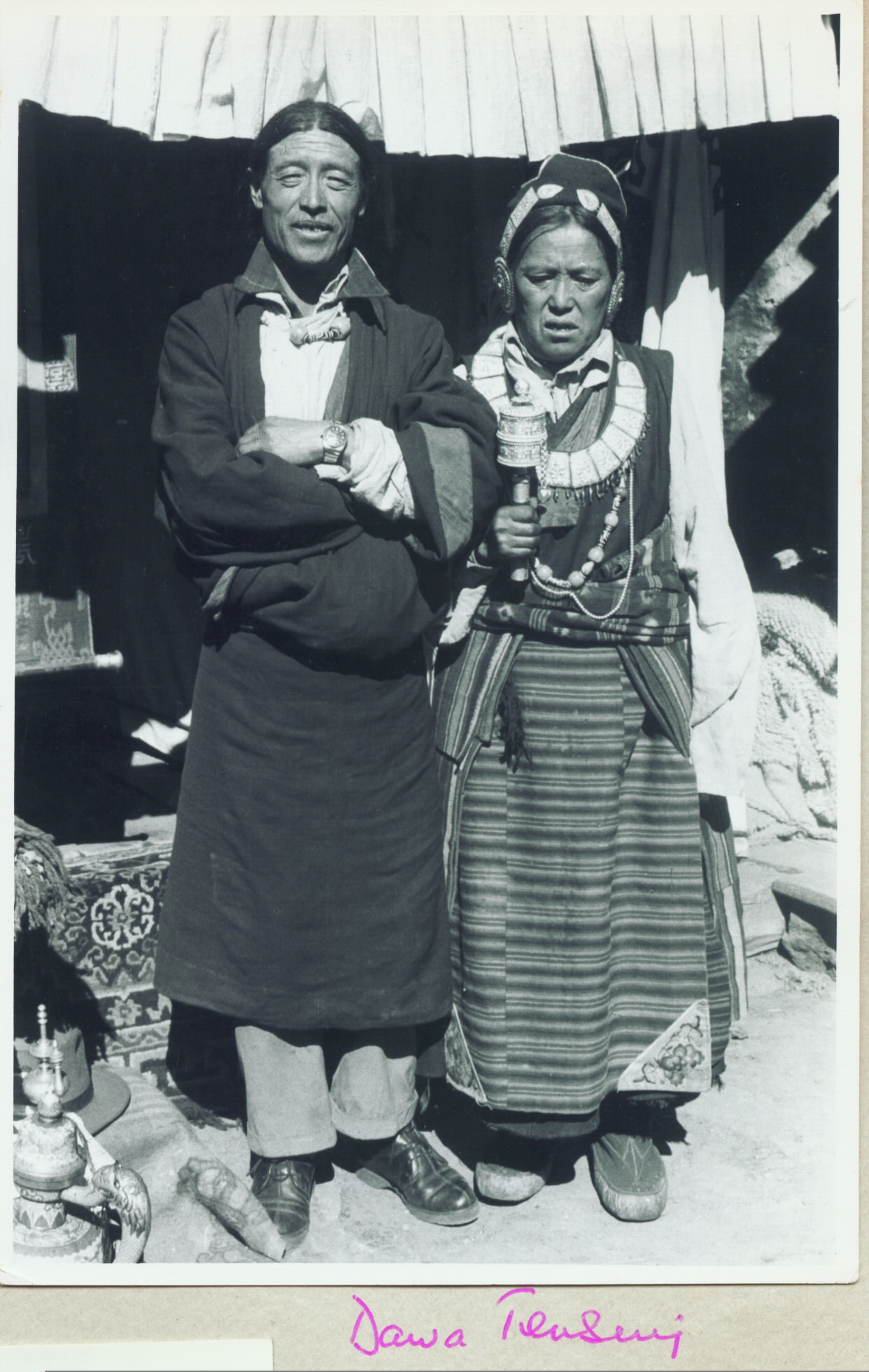 Sherpa marriageThe astrological matching and barley beer offering that binds a Sherpa couple.
 MandapaThe pillared pavilion that serves as the stage for Hindu wedding rituals and temple gatherings.
 YajnaA sacred fire ritual central to Hindu weddings and other rites of passage
Good reading and sources
The facts on this page come from the Wikipedia article "Ihi", written by its contributors and used under the CC BY-SA 4.0 licence, and from its Wikidata record (CC0). EveryShaadi rewrote the text in its own words, with AI assistance, and compares every page with the article to make sure no passage is copied. It may be reused under the same CC BY-SA 4.0 licence with a link back.
It may contain mistakes. Wedding customs differ from one family, village and community to the next, and the people who keep them know them best. If something is wrong, tell us. Last refreshed 2026-10-06.
More from Nepal
All the traditions of Nepal
🇮🇳 India and 1 moreMaithil Vivahमैथिल विवाह
The arranged Hindu marriage of Maithils in the Mithila region, guided by Vedic texts and local customs.Betrothal · Finding a match
🇳🇵 NepalSherpa marriage
The astrological matching and barley beer offering that binds a Sherpa couple.Betrothal · Finding a match
🇮🇳 India and 2 moreMandapaमण्डप (maṇḍapa)
The pillared pavilion that serves as the stage for Hindu wedding rituals and temple gatherings.Setting · The ceremony
 🇮🇳 Delhi, India and 1 moreBaraat
The groom's wedding procession through the streets to the bride's home or venue.Performance · Procession and arrival
🇮🇳 Delhi, India and 1 moreBaraat
The groom's wedding procession through the streets to the bride's home or venue.Performance · Procession and arrival
The same idea elsewhere
Auspicious dates, seasons and days to avoid compared 🇮🇩 Indonesia and 2 moreKenduri
A communal feast and prayer gathering held by Javanese and Malay communities to mark life events.Feast custom · The weeks before
🇮🇩 Indonesia and 2 moreKenduri
A communal feast and prayer gathering held by Javanese and Malay communities to mark life events.Feast custom · The weeks before
 🇸🇿 Ludzidzini Royal Village, Eswatini and 1 moreUmhlanga
The annual Swazi and Zulu gathering where young women cut reeds to preserve chastity and offer tribute labour.Rite · The eve
🇸🇿 Ludzidzini Royal Village, Eswatini and 1 moreUmhlanga
The annual Swazi and Zulu gathering where young women cut reeds to preserve chastity and offer tribute labour.Rite · The eve
 🇳🇪 In-Gall, Niger and 2 moreGuérewol
A week-long courtship dance where Wodaabe men display their beauty to win the attention of marriageable women.Rite · The weeks before
🇳🇪 In-Gall, Niger and 2 moreGuérewol
A week-long courtship dance where Wodaabe men display their beauty to win the attention of marriageable women.Rite · The weeks before
 🇲🇲 MyanmarMarriage in Myanmar
A blend of Buddhist rites, astrological timing, and family negotiations that defines union across Myanmar's diverse ethnRite · Finding a match
🇲🇲 MyanmarMarriage in Myanmar
A blend of Buddhist rites, astrological timing, and family negotiations that defines union across Myanmar's diverse ethnRite · Finding a match