Matchmaking, courtship and engagementSoutheast Asia
Mayu-Dama
The Kachin kinship system that defines who can marry whom through wife-giver and wife-taker roles
Mayu-Dama is a social framework used by the Kachin people to regulate marriage and kinship. It assigns families as Mayu (wife givers) or Dama (wife takers), creating a web of obligations that governs social interaction and determines valid marriage partners within the community.
When is Mayu-Dama kept?
Mayu-Dama is kept on throughout the matchmaking and engagement process.
Mayu-Dama structures Kachin marriage by defining family relationships. It classifies relatives as wife givers or wife takers. This system dictates who can wed whom. It also guides the exchange of gifts between families. The rules ensure social order and maintain kinship bonds across generations.
Kinship roles
The system divides families into two main categories. Mayu refers to the family providing the bride. Dama describes the family receiving her. These labels are not fixed for a single family. A household acts as Mayu in one relationship and Dama in another. This creates a complex network of mutual obligations. The terms define how families interact socially and economically. They establish a hierarchy of respect and duty that persists throughout life.
Marriage exchanges
Bridewealth flows from the Dama to the Mayu. This payment is known as Hpuja. It typically includes cattle, money, and gongs. Gongs hold high status in these exchanges. Liquor, cloth, and jewellery may also be part of the gift. The bride's family provides dowry items called Sharung Shagau. These include ritual grain seeds, knives, spears, and woven skirts. Guns and ceremonial tools are sometimes included as house-entering wealth.
Clan rules
Marriage is prohibited between members of the same clan. This restriction is called Kahpu-Kanau. It prevents unions within specific kinship groups. The Jinghpaw people have five main clans. Other Kachin groups have corresponding clans. Members of matching clans are considered too closely related to marry. This rule maintains clear boundaries between family lines. It ensures that marriages create new alliances rather than reinforcing existing ones.
Social dynamics
Women navigate this system with some flexibility. They may represent themselves as part of the Mayu lineage during negotiations. This stance gives them agency in economic discussions. Men face stricter constraints based on their kinship duties. The system also allows for cyclical variations. Three lineages can alternate roles in a rotating pattern. This variation keeps social interactions balanced over time.
How Mayu-Dama is kept
Families negotiate marriage terms using the Mayu-Dama framework. The groom's family pays bridewealth to the bride's family. Gifts include livestock, metalwork, and textiles. The bride's family provides ritual items for the new household. Clan membership determines eligibility. Families check for shared ancestry before proceeding. Women participate in discussions to protect their interests. The exchange solidifies the bond between the two lineages.
When and where
It applies during the matchmaking phase. Families assess compatibility before any formal engagement. The rules guide all subsequent negotiations. The system remains active in modern times. It shapes how couples meet and unite.
It is practiced by the Kachin people. This includes groups in Myanmar and India. The Jinghpaw are a major subgroup. The system is central to their identity. It regulates social life beyond just weddings.
What Mayu-Dama means
The exchange of goods symbolizes respect and obligation. Bridewealth acknowledges the value of the bride's family. Dowry items provide the couple with essential tools. The system reinforces community cohesion. It ensures that families remain connected through repeated cycles of giving and receiving.
Who takes part
- Groom's family: Pays bridewealth including cattle and gongs
- Bride's family: Provides ritual dowry items like seeds and knives
- Jinghpaw women: Negotiates terms while claiming Mayu lineage status
- Clan elders: Verifies kinship ties to prevent prohibited marriages
Then and now
The system was customary in the mid-twentieth century. It allowed for some legal flexibility. Couples could marry outside strict Mayu-Dama roles. Today it remains a key part of ethnic identity. Social interactions still rely on these kinship definitions.
On the wedding table
Symbols: Rice and grain
Questions people ask about Mayu-Dama
When is Mayu-Dama kept?
Mayu-Dama is kept on throughout the matchmaking and engagement process.
What is Mayu-Dama?
It is a Kachin kinship system that defines marriage rules. It categorizes families as wife givers or wife takers. This structure governs social relations and wedding exchanges.
Who can marry whom?
People cannot marry within their own clan. This rule is called Kahpu-Kanau. It prevents unions between close kin and ensures new alliances form between different family lines.
What gifts are exchanged?
The groom's family gives bridewealth like cattle and gongs. The bride's family provides dowry items such as ritual seeds and knives. These exchanges mark the union formally.
See also
 Maithil VivahThe arranged Hindu marriage of Maithils in the Mithila region, guided by Vedic texts and local customs.
 MatchmakingThe practice of pairing two people for marriage through an intermediary or system.
 SvayamvaraThe ancient Hindu ceremony where a princess picks her husband from assembled suitors
Good reading and sources
The facts on this page come from the Wikipedia article "Mayu-Dama", written by its contributors and used under the CC BY-SA 4.0 licence, and from its Wikidata record (CC0). EveryShaadi rewrote the text in its own words, with AI assistance, and compares every page with the article to make sure no passage is copied. It may be reused under the same CC BY-SA 4.0 licence with a link back.
It may contain mistakes. Wedding customs differ from one family, village and community to the next, and the people who keep them know them best. If something is wrong, tell us. Last refreshed 2026-10-05.
More from Myanmar
All the traditions of Myanmar 🇲🇲 MyanmarMarriage in Myanmar
A blend of Buddhist rites, astrological timing, and family negotiations that defines union across Myanmar's diverse ethnRite · Finding a match
🇲🇲 MyanmarMarriage in Myanmar
A blend of Buddhist rites, astrological timing, and family negotiations that defines union across Myanmar's diverse ethnRite · Finding a match
 🇹🇭 Thailand and 5 moreBride price
Wealth paid by the groom or his family to the bride or her kin to formalize a union.Gift custom · Engagement and betrothal
🇮🇳 India and 1 moreLeirum Pheeꯂꯩꯔꯨꯝ ꯐꯤ
A traditional Meitei shawl given as a wedding gift from parents to daughtersAttire · Engagement and betrothal
🇹🇭 Thailand and 5 moreBride price
Wealth paid by the groom or his family to the bride or her kin to formalize a union.Gift custom · Engagement and betrothal
🇮🇳 India and 1 moreLeirum Pheeꯂꯩꯔꯨꯝ ꯐꯤ
A traditional Meitei shawl given as a wedding gift from parents to daughtersAttire · Engagement and betrothal
The same idea elsewhere
Arranged marriage, matchmaking and choosing a partner compared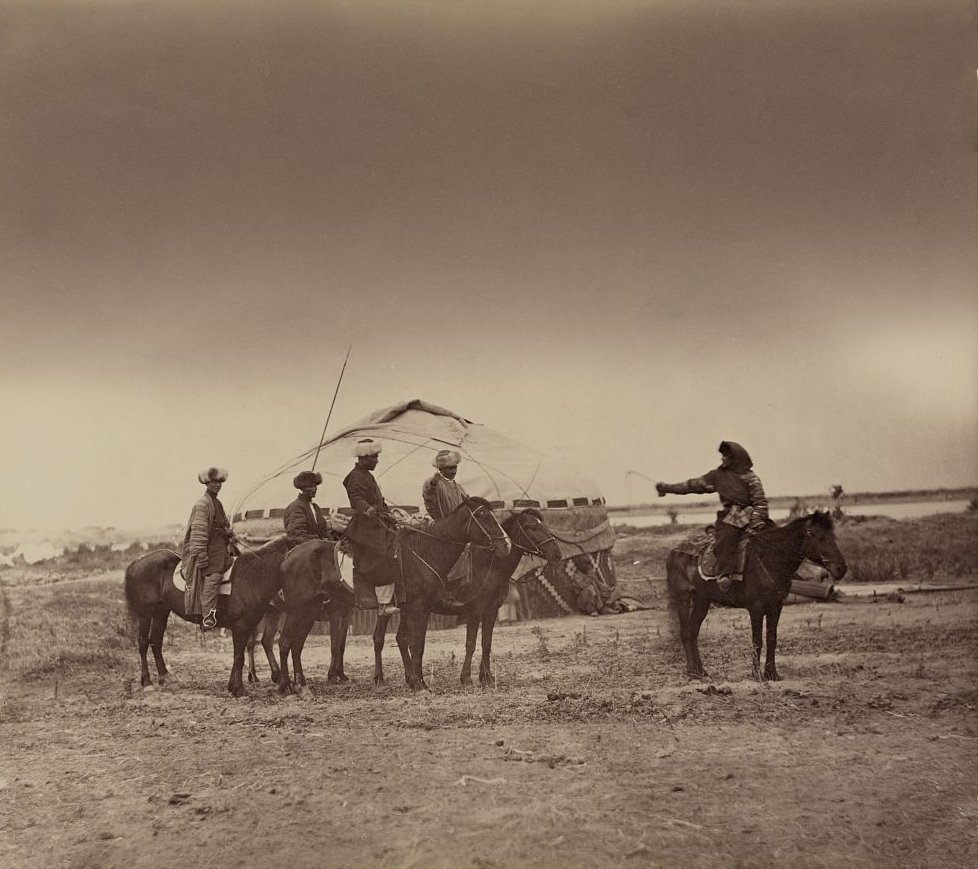 🇰🇬 Kyrgyzstan and 2 moreAla kachuuала качуу
A Kyrgyz custom of taking a woman for marriage, ranging from consensual elopement to forced abduction.Betrothal · Engagement and betrothal
🇨🇳 China and 1 moreGhost marriage冥婚 (mínghūn)
A union arranged for deceased individuals to ensure harmony in the afterlife and care in this one.Rite · Finding a match
🇮🇱 Israel and 1 moreBaháʼí marriage
A spiritual union requiring parental consent and a specific vow to establish harmony between partners.Rite · Finding a match
🇰🇬 Kyrgyzstan and 2 moreAla kachuuала качуу
A Kyrgyz custom of taking a woman for marriage, ranging from consensual elopement to forced abduction.Betrothal · Engagement and betrothal
🇨🇳 China and 1 moreGhost marriage冥婚 (mínghūn)
A union arranged for deceased individuals to ensure harmony in the afterlife and care in this one.Rite · Finding a match
🇮🇱 Israel and 1 moreBaháʼí marriage
A spiritual union requiring parental consent and a specific vow to establish harmony between partners.Rite · Finding a match