Blessings, luck and omensEast AsiaShinto, Taoist and folk Chinese
Oil-Paper Umbrella
In its own language: 油紙傘
A protective canopy shielding the bride from harm and blessing the marriage

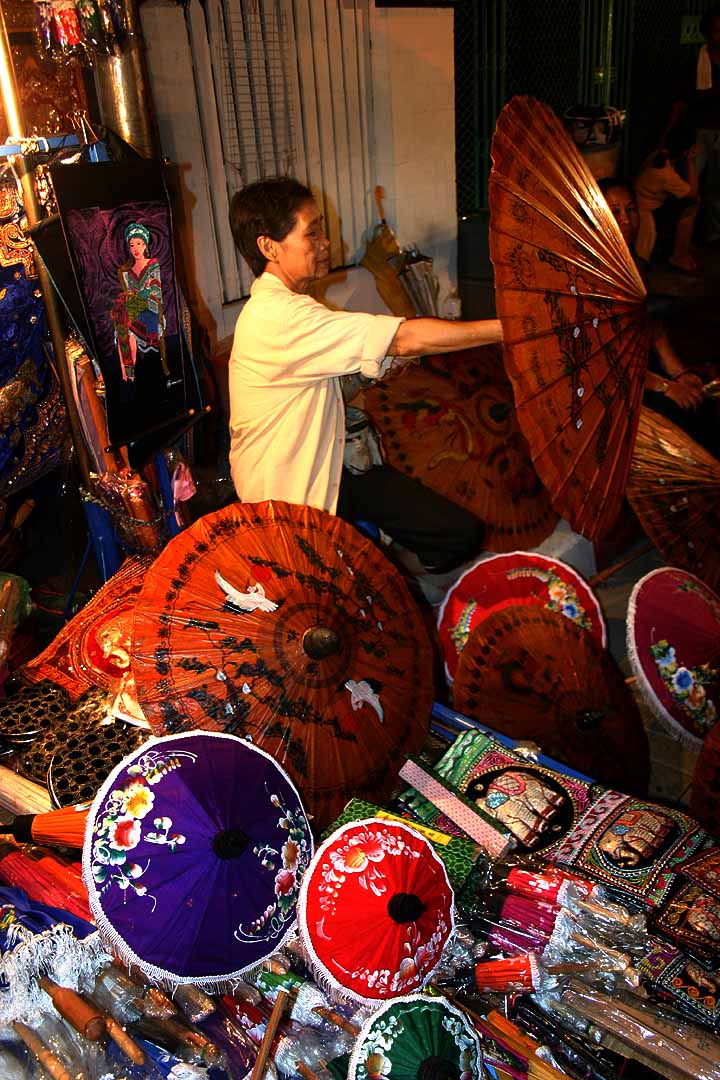
In traditional Chinese, Hakka and Japanese weddings, a red oil-paper umbrella is held over the bride as she arrives to turn away malevolent spirits. Pairs of these hand-crafted bamboo and paper canopies are also gifted in dowries to wish the new couple a complete life and many children.
When is Oil-Paper Umbrella kept?
Oil-Paper Umbrella is kept during the bridal procession and wedding arrival.
The oil-paper umbrella is an East Asian wedding item designed to shield and bless the bride. Crafted from bamboo frames, oiled paper and natural pigments, the canopy plays an active part in traditional marriage rites across China and Japan. During wedding arrivals, an attendant holds an open red umbrella over the bride to repel evil influences. In Hakka custom, umbrella pairs are given to wish the couple fertility and harmony.
Arrival and protection
In conventional Chinese and Japanese marriage customs, the oil-paper canopy serves as spiritual shelter. When the bride reaches the wedding venue or groom's home, the matron of honor opens a crimson paper umbrella above her head. This bright canopy stays over her as she walks into the new household. The red shade is believed to ward off harmful forces and ill omens that might follow the bride during her transition. By blocking out malevolent influences, the parasol creates a safe pathway for her entry, ensuring the union begins in auspicious peace.
Hakka dowry symbolism
Within historic Hakka communities, families routinely included a pair of oil-paper umbrellas in a daughter's dowry. This gift carried dense wordplay and auspicious meanings. In the Hakka tongue, the term for paper sounds identical to the word for child, making the gift a direct wish for the speedy birth of a son. Furthermore, the Chinese character for umbrella visually contains five person figures, symbolising a household rich with future generations. Because the spoken word for oil sounds like having, and the round opened canopy represents unity, the gift wished the couple a fulfilled, prosperous life together.
Craft and construction
Making an authentic oil-paper umbrella requires extensive manual skill passed down through apprenticeships. Craftsmen begin by splitting and shaping mature bamboo into flexible ribs, which are soaked, dried and assembled into an intricate folding skeleton. Sheets of durable paper are then glued across the struts, trimmed and brushed with protective tung oil to create a waterproof barrier. Natural persimmon juice or pigments are often applied for color and adhesion. Artisans paint delicate motifs, calligraphy or literary scenes onto the surface before allowing the finished piece to cure slowly in a dark room.
Modern use and preservation
While mass-produced modern umbrellas largely replaced oiled paper for daily weather protection, traditional workshops in regions like Zhejiang, Jiangxi and Sichuan have worked to keep the craft alive. Today, hand-painted paper umbrellas remain cherished elements of traditional marriage ceremonies, cultural dances, tea gatherings and festivals. Couples and families purchase them as artistic heirlooms and ceremonial blessings. In addition to weddings, decorative umbrellas continue to protect sacred sedan chairs during temple processions, maintaining their longstanding cultural role as shields against rain, glare and negative energy.
How Oil-Paper Umbrella is kept
During the wedding procession, an attendant or matron of honor carries an open red oil-paper umbrella over the bride's head as she steps out and enters the groom's residence. This gesture forms an unbroken barrier between the bride and negative spiritual forces. In traditional betrothal and dowry exchanges, the bride's family prepares two matched paper umbrellas and presents them alongside other wedding gifts to bless the marriage with harmony and future children.
When and where
The umbrella is presented during the dowry exchange before the wedding day. It is held open above the bride during her arrival and entry into the ceremony venue.
This custom originated in China and spread to Japan, Taiwan and neighboring regions. Notable historical centers of umbrella production include Yuhang, Wuyuan, Changsha and Luzhou.
What Oil-Paper Umbrella means
The red oil-paper canopy acts as a protective shield against malevolent spirits. Its round form signifies completeness and lifelong harmony. In Hakka traditions, linguistic puns link paper with children and oil with possession, while the umbrella character's five internal figures represent hopes for numerous descendants and sons.
Who takes part
- Matron of honor: Holds the open red umbrella over the bride during her arrival to ward off bad spirits
- Bride: Walks beneath the protective canopy as she enters the wedding venue
- Bride's family: Gifts a pair of oil-paper umbrellas as part of the dowry
Then and now
Although metal and synthetic umbrellas dominate everyday rain gear, artisan workshops have revived traditional paper parasols. Contemporary couples continue using red oil-paper umbrellas for traditional wedding arrivals and ceremonial keepsakes.
On the wedding table
Symbols: Umbrellas and fans The colour red



Questions people ask about Oil-Paper Umbrella
When is Oil-Paper Umbrella kept?
Oil-Paper Umbrella is kept during the bridal procession and wedding arrival.
What is the oil-paper umbrella in a wedding?
It is a handcrafted bamboo and paper canopy oiled for durability. In East Asian wedding traditions, a red parasol is held over the bride upon arrival to protect her from ill fortune and evil spirits.
At what point in the wedding is the umbrella used?
The matron of honor opens and holds the umbrella over the bride as she arrives at the venue or groom's home. Umbrellas are also prepared beforehand as part of traditional dowry gifts.
Why are two umbrellas given in Hakka wedding dowries?
In Hakka speech, the word for paper sounds like child, expressing a wish for sons. The round shape represents a complete life, while the written character for umbrella contains symbols for five people.
See also
 TamagushiA decorated sakaki branch offered to kami during Shinto wedding ceremonies and other rites.
 RomvongA circular folk dance across Southeast Asia where couples hold hands and step in time with drums.
 Bride priceWealth paid by the groom or his family to the bride or her kin to formalize a union.
Good reading and sources
- Oil-paper umbrella on WikipediaEncyclopedia
- More photos on Wikimedia CommonsPhotos and video
- Wikidata recordOpen data
The facts on this page come from the Wikipedia article "Oil-paper umbrella", written by its contributors and used under the CC BY-SA 4.0 licence, and from its Wikidata record (CC0). EveryShaadi rewrote the text in its own words, with AI assistance, and compares every page with the article to make sure no passage is copied. It may be reused under the same CC BY-SA 4.0 licence with a link back.
It may contain mistakes. Wedding customs differ from one family, village and community to the next, and the people who keep them know them best. If something is wrong, tell us. Last refreshed 2026-10-06.
More from China
All the traditions of China
🇰🇭 Cambodia and 4 moreRomvongរាំវង់ (Khmer)
A circular folk dance across Southeast Asia where couples hold hands and step in time with drums.Performance · Reception, dance and gifts
🇹🇭 Thailand and 5 moreBride price
Wealth paid by the groom or his family to the bride or her kin to formalize a union.Gift custom · Engagement and betrothal
 🇬🇧 United Kingdom and 3 moreBridal bouquet
The handheld flower arrangement carried by the bride during her wedding ceremony.Attire · The ceremony
🇬🇧 United Kingdom and 3 moreBridal bouquet
The handheld flower arrangement carried by the bride during her wedding ceremony.Attire · The ceremony
The same idea elsewhere
Luck, omens and protection on the day compared 🇦🇿 AzerbaijanAzerbaijani wedding traditionsAzərbaycanın toy adətləri
The multi-step family rituals of Azerbaijani weddings, from matchmaking to the henna night.Rite · Finding a match
🇦🇿 AzerbaijanAzerbaijani wedding traditionsAzərbaycanın toy adətləri
The multi-step family rituals of Azerbaijani weddings, from matchmaking to the henna night.Rite · Finding a match
 🇪🇸 Spain and 4 moreMantilla
A lace or silk veil worn over the head and shoulders by women in Spain and Latin AmericaAttire · The weeks before
🇪🇸 Spain and 4 moreMantilla
A lace or silk veil worn over the head and shoulders by women in Spain and Latin AmericaAttire · The weeks before
 🇺🇦 Ukraine and 2 moreRushnykрушник (Ukrainian), ручнік (Belarusian), ручник/рушник (Russian)
The embroidered linen cloth that marks life stages and guides the couple through the wedding ceremony in East Slavic culAdornment · The weeks before
🇺🇦 Ukraine and 2 moreRushnykрушник (Ukrainian), ручнік (Belarusian), ручник/рушник (Russian)
The embroidered linen cloth that marks life stages and guides the couple through the wedding ceremony in East Slavic culAdornment · The weeks before
 🇲🇽 Oaxaca, Mexico and 1 moreHuipilhuīpīlli
The traditional tunic worn by indigenous women in Mexico and Central America for weddings and daily life.Attire · The weeks before
🇲🇽 Oaxaca, Mexico and 1 moreHuipilhuīpīlli
The traditional tunic worn by indigenous women in Mexico and Central America for weddings and daily life.Attire · The weeks before