Matchmaking, courtship and engagementEast Asia
Picture bride
In its own language: Nakōdo (仲人) matchmaking; Jungmae gyeolhon (결혼) process
Early twentieth century marriages arranged through photographs between Asian immigrant men and women in Hawaii and the U
This custom describes a marriage arrangement where men sent photographs to their home countries to find wives. It was common among Japanese, Okinawan, and Korean laborers in Hawaii and the United States during the early 1900s. The practice served as an abbreviated form of traditional matchmaking to help immigrant communities settle down.
When is Picture bride kept?
Picture bride is kept on between 1886 and 1924.
The picture bride system allowed immigrant workers to arrange marriages using only photographs. Men sent images to families in Asia to find partners for unions that would stabilize their new lives abroad. This method bypassed lengthy travel and traditional courtship steps. It emerged when labor restrictions made it difficult for single men to bring spouses directly. The practice helped build stable communities on plantations and in urban centers across the Pacific.
Origins and motives
Men traveled to Hawaii and the US West Coast as cheap labor for sugarcane plantations. They originally planned to return home after earning money, but many stayed due to financial constraints or legal barriers like the Gentlemen's Agreement of 1907. Plantation owners encouraged marriage to reduce gambling and opium use while boosting worker morale. Women often came from poor families seeking economic prosperity. Some were educated and sought freedom from strict familial duties in Asia. Others felt obligated by parents to accept the match.
The matching process
Go-betweens known as nakōdo in Japan or jungmae jaeng-i in Korea facilitated the matches. They reviewed photos and family backgrounds to pair candidates. The process mirrored traditional arranged marriages but removed the man from the selection phase. Once a woman agreed, her name entered the husband's registry in her home country. This registration provided travel documents for immigration. However, American authorities did not recognize these initial unions as valid marriages upon arrival.
Arrival and ceremonies
Brides faced rough journeys and strict inspections at immigration stations. Upon reaching ports in Hawaii or California, they met their husbands for the first time. Many were shocked by discrepancies between photos and reality, such as age differences or poor living conditions. Mass wedding ceremonies were held on docks or in hotels to satisfy legal requirements. These events formalized the unions in the eyes of the US government after the initial photo-based agreement.
Life and challenges
Women worked alongside men in fields, though they earned less pay. They also managed households and raised children. Some moved to cities like Honolulu to start businesses. Marriages varied in success; some couples bonded well while others struggled with abuse or deception. Elopement, called kakeochi, occurred when brides left unhappy situations. This act risked deportation under civil codes that gave husbands control over residency. Community newspapers sometimes ran ads to locate runaway wives.
How Picture bride is kept
Men send photographs to relatives in their home countries. Go-betweens review family histories and health records to suggest compatible partners. Families discuss the proposal and approve the union based on the images. The woman travels to the destination country. Authorities require a public ceremony to validate the marriage legally. The couple then begins domestic life together, often on agricultural land or in urban neighborhoods.
When and where
The practice peaked between 1907 and 1924 following immigration restrictions. It occurred whenever labor contracts ended or laws prevented direct male migration. The timing depended on when women reached marriageable age and when men could afford passage.
It was strongest in Hawaii, where Japanese formed a large portion of the population. It also spread to the West Coast of the United States and small numbers to Brazil and Canada. Urban centers like Honolulu saw significant activity as brides settled into city life.
What Picture bride means
The photographs represented hope and stability for isolated workers. They symbolized a bridge between two worlds, connecting distant families. The mass ceremonies signified acceptance into the new society. For women, the journey represented a chance for economic independence or escape from rigid social hierarchies back home.
Who takes part
- The groom: Sends photographs and requests a match from his home community
- The go-between: Reviews candidate profiles and facilitates communication between families
- The bride's parents: Approve the match and encourage the daughter to accept the proposal
- The bride: Travels to the new country and meets her husband for the first time
- Immigration officials: Inspect arrivals and require legal ceremonies to validate the union
Then and now
The practice ended with the Immigration Act of 1924 which banned most Asian immigration. Today it is studied as a historical phenomenon rather than a living custom. Scholars examine how it shaped demographic patterns and family structures in Hawaiian and West Coast Asian communities.
Questions people ask about Picture bride
When is Picture bride kept?
Picture bride is kept on between 1886 and 1924.
What exactly is a picture bride?
A woman who married an immigrant man based solely on exchanged photographs before traveling to join him. This occurred primarily in the early 1900s among Asian laborers in Hawaii and the US.
How were the matches made?
Go-betweens used photos and family records to pair candidates. Parents often approved the matches to ensure economic stability or fulfill familial obligations.
Was the marriage legal immediately?
No. While recognized in home countries via registry entry, US authorities required a public ceremony upon arrival to consider the marriage valid.
See also
 MatchmakingThe practice of pairing two people for marriage through an intermediary or system.
 Marriage proposalThe moment one partner asks the other to marry them and marks the start of an engagement.
 MiaiA traditional Japanese matchmaking meeting where a man and woman consider marriage with the help of a go-between.
Good reading and sources
The facts on this page come from the Wikipedia article "Picture bride", written by its contributors and used under the CC BY-SA 4.0 licence, and from its Wikidata record (CC0). EveryShaadi rewrote the text in its own words, with AI assistance, and compares every page with the article to make sure no passage is copied. It may be reused under the same CC BY-SA 4.0 licence with a link back.
It may contain mistakes. Wedding customs differ from one family, village and community to the next, and the people who keep them know them best. If something is wrong, tell us. Last refreshed 2026-10-05.
More from Japan
All the traditions of Japan
🇺🇸 United States and 5 moreMarriage proposal
The moment one partner asks the other to marry them and marks the start of an engagement.Betrothal · Engagement and betrothal
🇯🇵 JapanMiai見合い (Miai)
A traditional Japanese matchmaking meeting where a man and woman consider marriage with the help of a go-between.Betrothal · Finding a match
 🇰🇷 Seoul, South Korea and 3 moreBlessing ceremony
The large-scale marriage rite of the Unification Church where couples are matched and blessed by their leaders.Rite · The ceremony
🇰🇷 Seoul, South Korea and 3 moreBlessing ceremony
The large-scale marriage rite of the Unification Church where couples are matched and blessed by their leaders.Rite · The ceremony
 🇰🇷 South Korea and 5 moreBlessing ceremony of the Unification ChurchHoly Marriage Blessing Ceremony (축복결혼식)
A large-scale marriage rededication or new union ceremony that engrafts couples into a sinless lineage.Rite · Engagement and betrothal
🇰🇷 South Korea and 5 moreBlessing ceremony of the Unification ChurchHoly Marriage Blessing Ceremony (축복결혼식)
A large-scale marriage rededication or new union ceremony that engrafts couples into a sinless lineage.Rite · Engagement and betrothal
The same idea elsewhere
Arranged marriage, matchmaking and choosing a partner compared 🇲🇲 MyanmarMarriage in Myanmar
A blend of Buddhist rites, astrological timing, and family negotiations that defines union across Myanmar's diverse ethnRite · Finding a match
🇲🇲 MyanmarMarriage in Myanmar
A blend of Buddhist rites, astrological timing, and family negotiations that defines union across Myanmar's diverse ethnRite · Finding a match
 🇻🇳 VietnamTraditional Vietnamese weddingLễ cưới truyền thống Việt Nam
The multi-stage ceremony of betrothal, engagement and union that marks a marriage in Vietnam.Attire · Finding a match
🇻🇳 VietnamTraditional Vietnamese weddingLễ cưới truyền thống Việt Nam
The multi-stage ceremony of betrothal, engagement and union that marks a marriage in Vietnam.Attire · Finding a match
 🇹🇱 Dili, Timor-Leste and 1 moreTimorese wedding traditionsBarlake
The gift exchange and family alliance rituals practiced on the island of Timor.Gift custom · Finding a match
🇹🇱 Dili, Timor-Leste and 1 moreTimorese wedding traditionsBarlake
The gift exchange and family alliance rituals practiced on the island of Timor.Gift custom · Finding a match
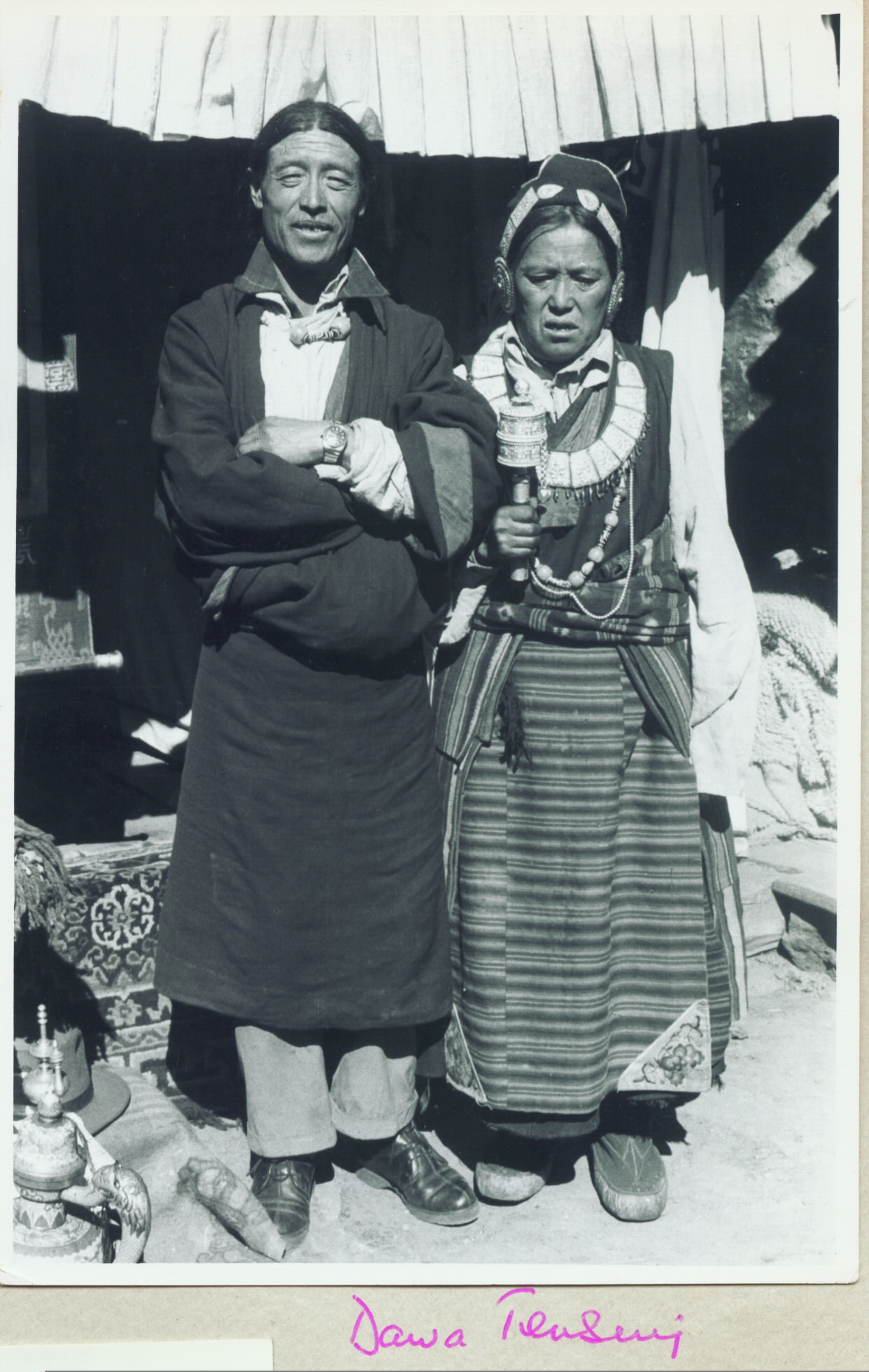 🇳🇵 NepalSherpa marriage
The astrological matching and barley beer offering that binds a Sherpa couple.Betrothal · Finding a match
🇳🇵 NepalSherpa marriage
The astrological matching and barley beer offering that binds a Sherpa couple.Betrothal · Finding a match