Bride price, dowry and giftsMiddle EastMuslim
Polygamy in Yemen
A legal practice allowing Muslim men to marry up to four wives under specific conditions.
In Yemen, polygamy is a lawful marital arrangement permitted by Islamic law. The practice allows a husband to have up to four wives simultaneously, provided he treats them with equal fairness and attention. While once more common, the rate of such unions has declined significantly over recent decades.
When is Polygamy in Yemen kept?
Polygamy in Yemen is kept on throughout the year as marriages are contracted.
Polygamy in Yemen refers to the legal practice where a man may marry multiple women. Rooted in Islamic tradition, this arrangement permits up to four wives if the husband can ensure equal treatment and support for each spouse. It remains a recognized form of marriage within the country's legal framework.
Legal and religious basis
Yemen is a predominantly Muslim nation where polygamy is fully lawful. Islamic teachings permit a man to take up to four wives, but this permission comes with strict conditions. The husband must be able to devote equal attention and resources to each wife. This requirement aims to ensure fairness among all spouses in the union. The practice is integrated into the national legal system, reflecting the religious values held by the majority of the population.
Prevalence and demographics
The frequency of polygamous marriages has shifted over time. In 1999, approximately seven percent of married women were part of such unions. By 2020, that figure had dropped to two percent. This decline makes the practice less common in Yemen compared to the broader 'polygamy belt' across Western and Central Africa. Demographic factors also play a role, with rural and mountainous residents showing higher rates than those in coastal or urban areas.
Social and educational context
Research indicates a link between education levels and participation in polygamous marriages. Women in these unions tend to have less formal education compared to those in monogamous relationships. Geographic location further influences these patterns, with rural settings seeing more instances than city centers. These trends highlight how socioeconomic factors intersect with traditional marital structures in different parts of the country.
How Polygamy in Yemen is kept
A man enters into a marriage contract with a first wife. If he chooses to expand his family, he may contract additional marriages with up to three more women. Each union requires legal recognition and adherence to religious guidelines regarding equal treatment. The husband is responsible for maintaining separate households or shared living arrangements that satisfy the condition of fairness. Women retain the right to consent to these arrangements, though social dynamics often influence their decisions.
When and where
This custom occurs whenever a marriage contract is signed. It is not tied to a specific season or calendar date. The decision to enter a polygamous union depends on personal circumstances and financial capability rather than a fixed annual schedule.
The practice is established throughout Yemen. It is more prevalent in rural and mountainous regions compared to coastal cities. The custom reflects the broader cultural and religious landscape of the country, where Islamic law governs personal status matters.
What Polygamy in Yemen means
The practice symbolizes the extension of family lineage and the fulfillment of religious permissions. It represents a commitment to providing care and protection to multiple families under one patriarchal structure. The emphasis on equality serves as a moral safeguard, ensuring that no spouse is neglected despite the complexity of managing multiple households.
Who takes part
- The husband: Manages multiple households and ensures equal treatment of all wives
- The wives: Enter into marriage contracts and maintain their respective domestic spheres
- Religious authorities: Oversee the legality and religious compliance of the marriages
Then and now
The prevalence of polygamy has decreased significantly from 7% in 1999 to 2% in 2020. This shift suggests changing social norms and economic pressures influencing family structures. Urbanization and increased education levels, particularly among women, may contribute to this decline in traditional marital arrangements.
Questions people ask about Polygamy in Yemen
When is Polygamy in Yemen kept?
Polygamy in Yemen is kept on throughout the year as marriages are contracted.
Is polygamy legal in Yemen?
Yes, polygamy is legal in Yemen. It is permitted under Islamic law, which allows a man to marry up to four wives simultaneously.
What are the conditions for polygamy?
The husband must be able to treat all wives equally in terms of attention, financial support, and emotional care. Failure to maintain this equality is considered a violation of religious principles.
How common is polygamy today?
It is less common now than in the past. Estimates show a drop from 7% of married women in 1999 to 2% in 2020, making it relatively rare compared to neighboring regions.
Where is it most practiced?
Polygamy is more frequently found in rural and mountainous areas. Women in these regions are more likely to be in polygamous unions than those in coastal or urban centers.
See also
 KetubahThe Jewish marriage contract that outlines the groom's financial and personal obligations to the bride.Watta sattaA reciprocal marriage arrangement where two families swap brides to bind households and manage domestic tensions.
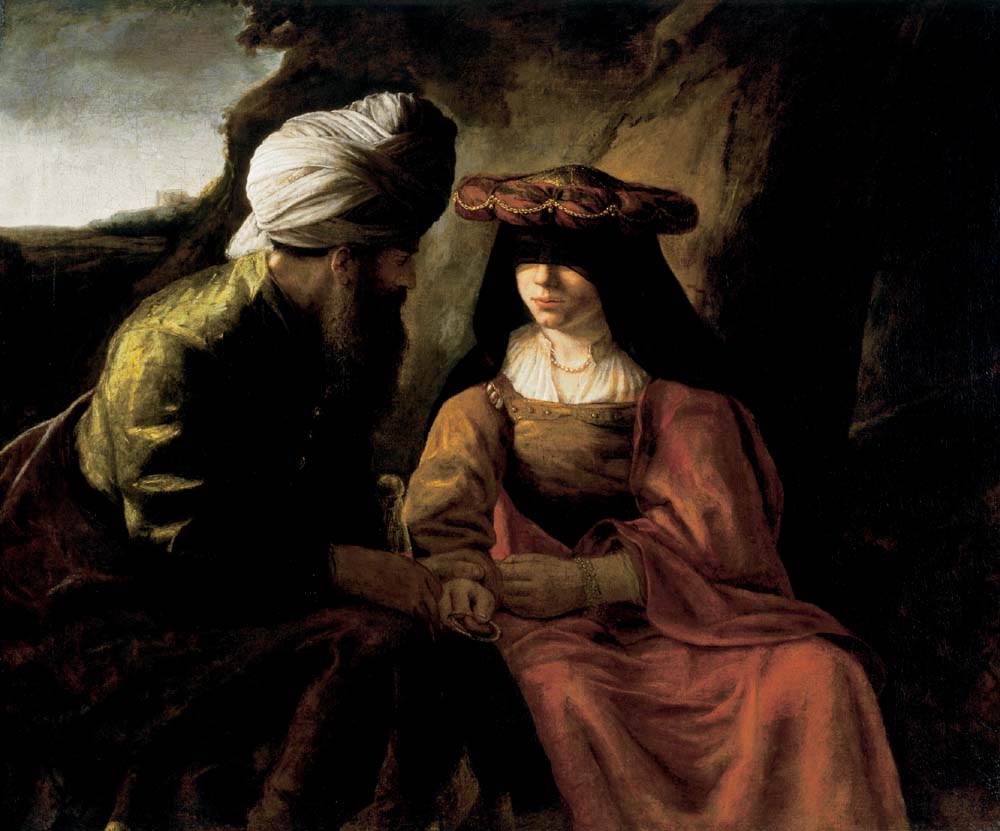 YibbumA Jewish rite where a brother marries his childless deceased brother's widow to continue the family line.
Good reading and sources
The facts on this page come from the Wikipedia article "Polygamy in Yemen", written by its contributors and used under the CC BY-SA 4.0 licence, and from its Wikidata record (CC0). EveryShaadi rewrote the text in its own words, with AI assistance, and compares every page with the article to make sure no passage is copied. It may be reused under the same CC BY-SA 4.0 licence with a link back.
It may contain mistakes. Wedding customs differ from one family, village and community to the next, and the people who keep them know them best. If something is wrong, tell us. Last refreshed 2026-10-05.
More from Yemen
All the traditions of Yemen
🇮🇱 Israel and 2 moreKetubahכְּתוּבָּה
The Jewish marriage contract that outlines the groom's financial and personal obligations to the bride.Vow · Engagement and betrothal
The same idea elsewhere
Interfaith, inter-community and same-sex weddings compared 🇪🇬 Egypt and 4 moreWaist beads
Strands of glass or seed worn around the hips to mark womanhood and track body changes in West and North Africa.Adornment · Engagement and betrothal
🇪🇬 Egypt and 4 moreWaist beads
Strands of glass or seed worn around the hips to mark womanhood and track body changes in West and North Africa.Adornment · Engagement and betrothal
 🇰🇷 Seoul, South Korea and 3 moreBlessing ceremony
The large-scale marriage rite of the Unification Church where couples are matched and blessed by their leaders.Rite · The ceremony
🇮🇳 IndiaSambandam
The traditional matrilineal marriage alliance of Kerala's Nairs and Nambudiris.Betrothal · Finding a match
🇰🇷 Seoul, South Korea and 3 moreBlessing ceremony
The large-scale marriage rite of the Unification Church where couples are matched and blessed by their leaders.Rite · The ceremony
🇮🇳 IndiaSambandam
The traditional matrilineal marriage alliance of Kerala's Nairs and Nambudiris.Betrothal · Finding a match
 🇯🇵 Tokyo, JapanSame-sex marriage in Japan同性結婚 (dōsei kekkon)
The legal battle and local partnership systems for same-sex couples in JapanModern
🇯🇵 Tokyo, JapanSame-sex marriage in Japan同性結婚 (dōsei kekkon)
The legal battle and local partnership systems for same-sex couples in JapanModern